Toxic Jewellery: The Hidden Dangers of Cheap Fashion and Why Quality Matters
Buy cheap, buy twice – but could the real cost be much higher?
Jewellery is something we wear close to our skin, often every single day. It marks important occasions, celebrates relationships and becomes part of our personal story. Yet, in a world increasingly driven by fast fashion, online marketplaces and ever-changing trends, how much do we really know about the jewellery we are buying?
Recent investigations by the BBC and the jewellery trade press have raised serious concerns about the safety and authenticity of inexpensive jewellery sold online. Labelled “Toxic Jewellery;” behind the attractive photographs, tempting prices and promises of sterling silver, there may be something far less appealing: potentially harmful metals, misleading descriptions and products that are not what they claim to be.
At Timothy Roe Fine Jewellery, we believe jewellery should be made to last. We have always championed quality and SAFE materials, honest craftsmanship and transparency. These recent reports reinforce why choosing well-made fine jewellery is not simply about appearance or prestige – it is about knowing what you are buying, understanding its quality, the consequences and making a more considered purchase.
The Hidden Dangers of Cheap Jewellery
In October and November 2026, BBC investigations brought renewed attention to concerns about toxic metals in jewellery, particularly pieces sold through popular online marketplaces where outdated hallmarking laws unfortunately do not yet govern (this is currently being discussed in Parliament at the time of writing). They had previously reported jewellery seized at Stansted airport in 2023 due to highly toxic levels of cadmium found being imported from China.
One BBC investigation examined 25 pieces advertised as sterling silver, purchased from five online marketplaces: Amazon, eBay, Temu, Etsy and OnBuy. Laboratory testing revealed that only two of the 25 pieces could be classified as genuine sterling silver. Eight items contained cadmium above the permitted legal limit, with some containing concentrations as high as 10%, despite the legal limit being just 0.01%.
One necklace, advertised as handmade sterling silver, was also found to contain nickel. The customer who purchased it had experienced skin irritation after wearing it.
These findings raise an important question: when a piece of jewellery is advertised as silver or gold, how can we be certain that it really is?
A bargain price can be tempting, particularly when jewellery is marketed as a seasonal accessory or something to complement the latest fashion trend. However, when materials are misrepresented, the consequences can extend far beyond disappointment.
A Growing Problem: 153 Jewellery Safety Alerts
It isn’t just the BBC raising the alarm.
An investigation published by the Professional Jeweller on 16 November 2026 uncovered 153 government safety notifications involving jewellery recorded on the Office for Product Safety and Standards (OPSS) Product Safety Database between January 2023 and March 2026.
The figures, obtained through a Freedom of Information request by Michael Jones Jeweller to the Department for Business and Trade, revealed that 102 of these notifications involved chemical hazards.
The breakdown makes particularly concerning reading:
- Earrings and body-piercing jewellery featured in 49 notifications, including 38 involving chemical hazards.
- Necklaces featured in 43 notifications.
- Bracelets featured in 36 notifications.
- Rings featured in 24 notifications.
The investigation also found that 64 notifications involved imports rejected at the UK border, 49 involved online marketplace listings being removed and 24 involved products being withdrawn from the market. A further 14 included product destruction.
Even more striking was the increase in notifications, rising from 17 in 2024 to 45 in 2025 – a 165% increase.
These figures demonstrate that chemical safety is not a concern limited to one product or one type of jewellery. From earrings and necklaces to rings and bracelets, the materials used in inexpensive jewellery deserve greater scrutiny.
Importantly, this does not mean that all affordable jewellery is dangerous. As the industry investigation itself highlights, the real concern is buying an incredibly cheap product from an unfamiliar seller, with little or no information about what it contains or where it has come from.
That is precisely why transparency and knowing your jeweller matter.
What are Cadmium, Nickel and other Harmful Metals?
Not all metals are suitable for use in jewellery, particularly when they come into prolonged contact with our skin.
Three substances consumers should be aware of are:
Cadmium
Cadmium is a toxic heavy metal and a recognised carcinogen. Exposure can cause serious health problems, particularly if it is inhaled or ingested. It can accumulate in the body over time and damage organs, including the kidneys.
Jewellery containing excessive levels of cadmium is particularly concerning because of how closely we wear it. Earrings, necklaces and bracelets can be in constant contact with our skin.
Nickel
Nickel is a common cause of allergic contact dermatitis. For some people, contact can trigger itching, redness, irritation and uncomfortable skin reactions. This is particularly problematic with earrings, necklaces, rings and bracelets worn for extended periods.
There are legal restrictions on the amount of nickel that jewellery can contain but this is hard to monitor when sold online.
Lead
Lead is another toxic heavy metal restricted in jewellery. Exposure can have serious effects on human health, particularly for children. It is therefore important that jewellery manufacturers and suppliers understand the materials used in their products and comply with relevant safety regulations.
The UK Government has also highlighted these risks. A 2024 product safety report concerning metal earrings and necklaces identified excessive cadmium in two types of earrings and excessive nickel in a linked-heart pendant. The products were deemed to present a serious chemical risk, with the import rejected at the border and the products destroyed.
These are not simply isolated concerns about poor-quality finishes. They demonstrate why the composition of jewellery matters.
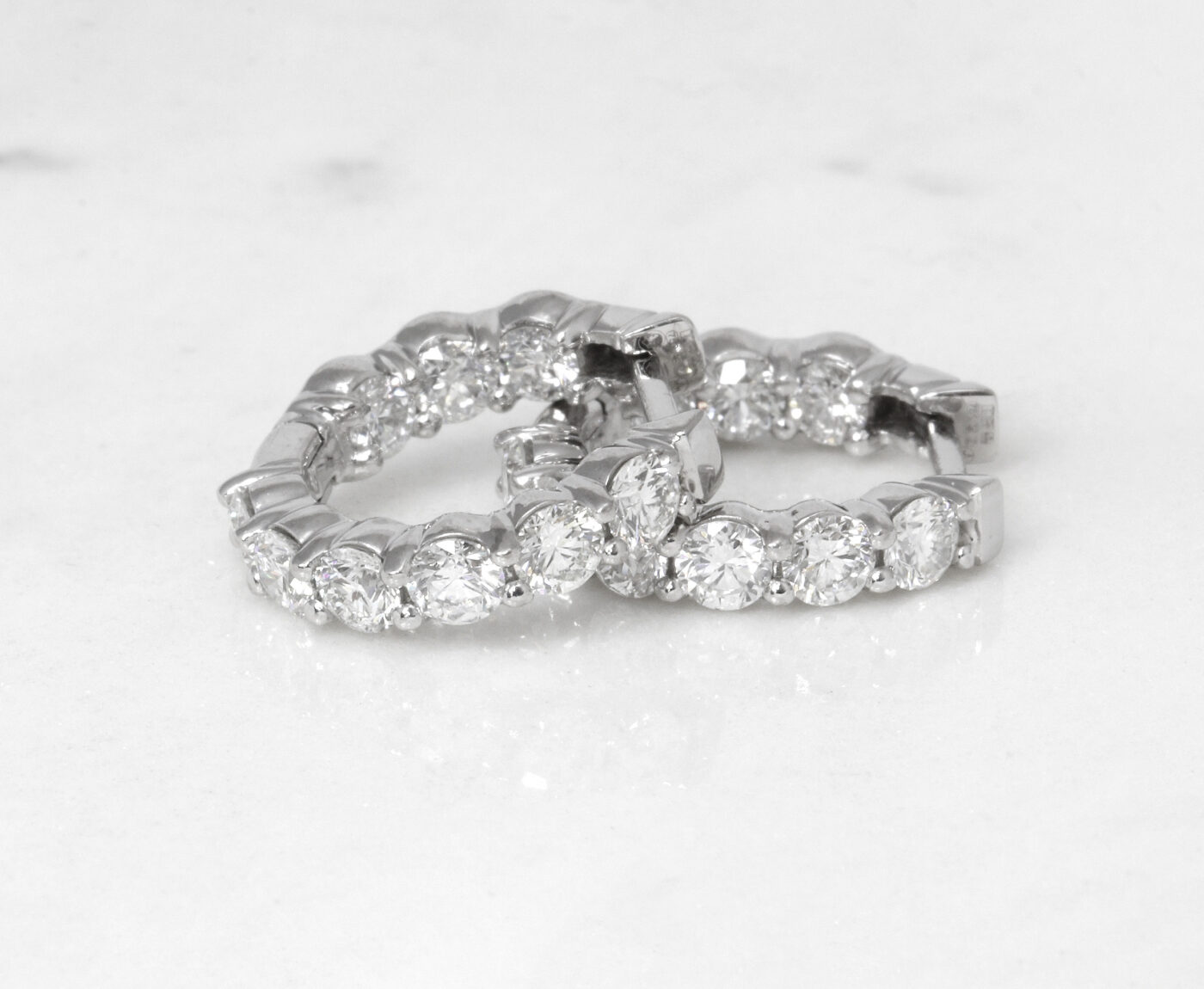
Is your Sterling Silver or Gold Really Sterling Silver or Gold?
One of the most concerning aspects of the BBC investigation was that several items advertised as 925 sterling silver did not meet the required standard.
Genuine sterling silver contains 92.5% pure silver, with the remaining 7.5% made up of other metals, traditionally copper, to provide strength and durability.
However, a stamp displaying ‘925’ does not, on its own, prove that a piece is genuine sterling silver.
In the UK, a legitimate hallmark comprises three important elements:
- Sponsor’s mark: Identifies the registered maker or sponsor responsible for submitting the item.
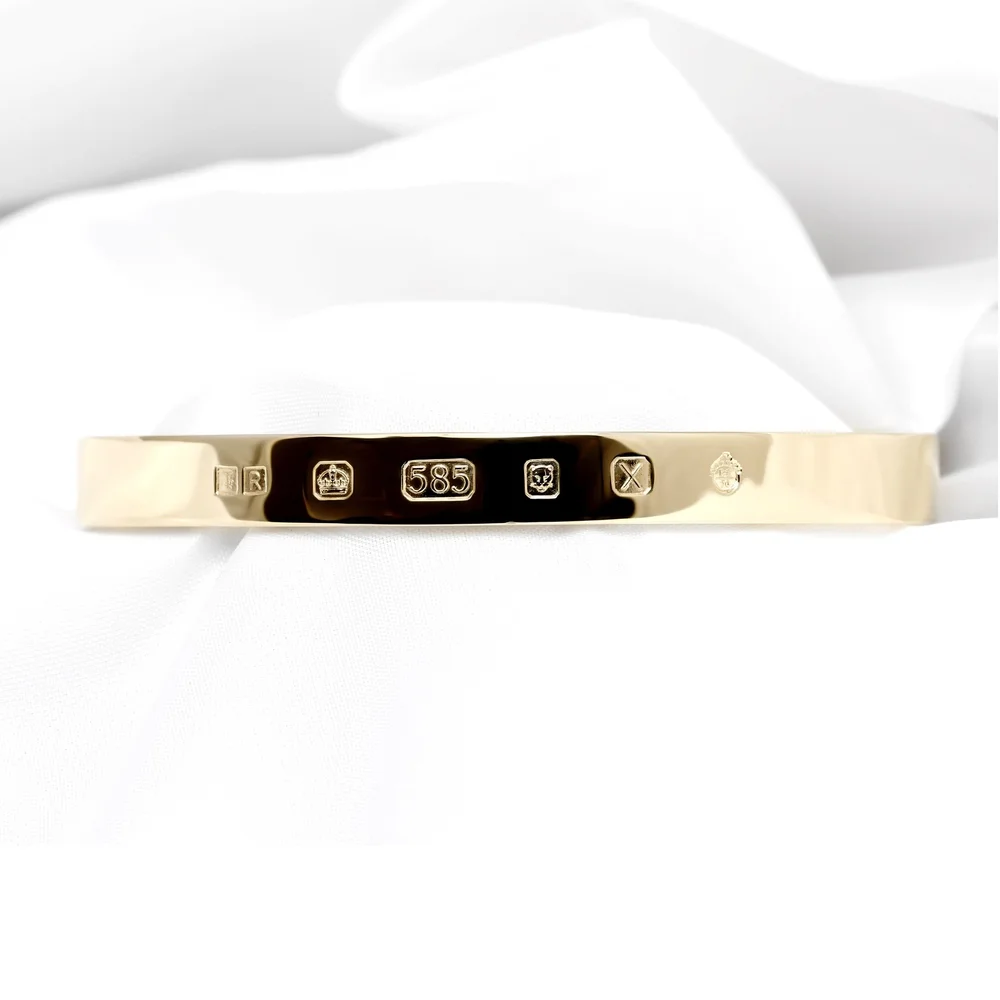
- Fineness mark: Confirms the precious metal content, such as 925 for sterling silver.
- Assay Office mark: Identifies the independent UK Assay Office that tested and hallmarked the item.
This independent hallmarking process provides consumers with an important layer of protection. It confirms that the precious metal content meets the declared legal standard.
It is worth remembering that hallmarking verifies precious metal fineness, not the complete chemical safety of every component or alloy. Buying from a reputable jeweller who understands their materials and can explain their manufacturing standards is equally important.
Why Investing in Precious Metals makes a Difference
At Timothy Roe Fine Jewellery, we believe there is a real difference between buying jewellery and investing in quality jewellery.
Fast fashion encourages us to purchase multiple inexpensive pieces throughout the year, often following short-lived trends. These items may look attractive initially, but their finishes can deteriorate, plating can wear away and components may break. When they are no longer wearable, they are often discarded.
The cycle continues: buy, wear, replace and throw away.
Fine jewellery offers a different approach. Firstly, it is too expensive to buy in the same way so investing in key classic pieces that are timeless and can be versatile is a good strategy and secondary, fine jewellery can always be repaired, altered or repurposed.
Precious metals such as 9ct, 18ct and 22ct gold, platinum and sterling silver have established standards of purity and are valued for their durability, workability and longevity.
Unlike many inexpensive fashion alternatives, properly made precious metal jewellery can be repaired, resized, polished and restored. A ring can be passed down, a necklace can be redesigned and an inherited piece can be given a completely new lease of life.
There is also an intrinsic material value to precious metals. Gold, silver and platinum are traded commodities, although jewellery should never be considered a guaranteed financial investment. Its value depends on many factors, including metal content, weight, workmanship, gemstones, condition and market prices.
The real investment is in buying something of lasting quality – a piece you will enjoy wearing for years rather than replacing every season.
Buy cheap, buy twice.
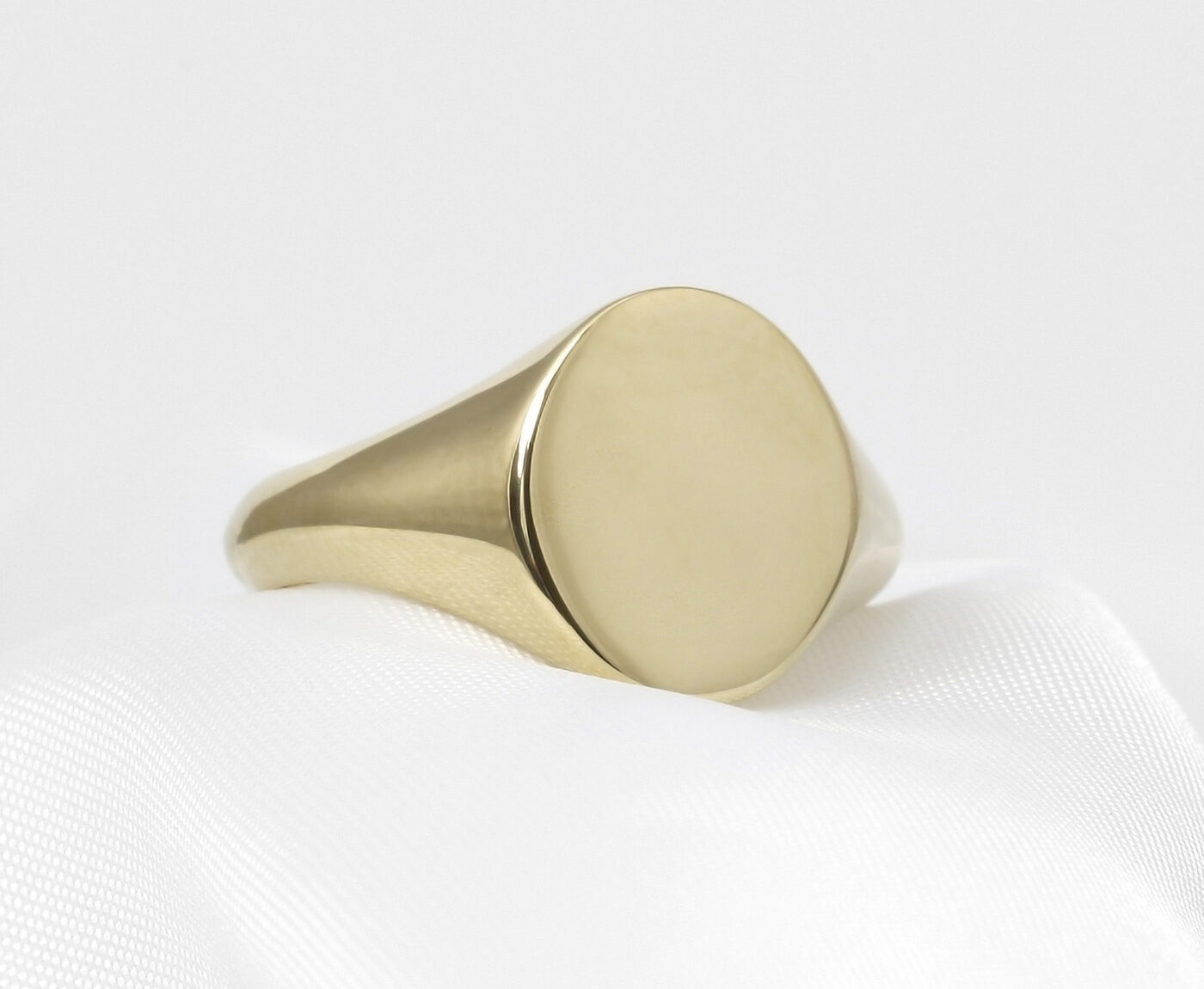
The Environmental Cost of Disposable Jewellery
There is another important consideration: the environmental impact of constantly replacing inexpensive jewellery.
The fast-fashion model creates a cycle of overconsumption. Jewellery is produced, purchased, worn for a short time and then discarded when the next trend arrives.
Many fashion jewellery items combine mixed metals, plastics, coatings, adhesives and other materials, making them difficult to recycle or repair. Once discarded, they can contribute to the growing volume of waste sent to landfill or other disposal facilities.
By choosing fewer, better-quality pieces, we can make more thoughtful purchasing decisions.
Precious metal jewellery has the advantage of being repairable and recyclable. Gold, silver and platinum can be recovered and reused, reducing the need to rely entirely on newly mined materials.
Choosing timeless designs over disposable trends also means creating a jewellery collection that evolves with you, rather than one that needs replacing every few months. And if you do have a favourite piece of costume jewellery then why not let us replicate it for you in precious metals?
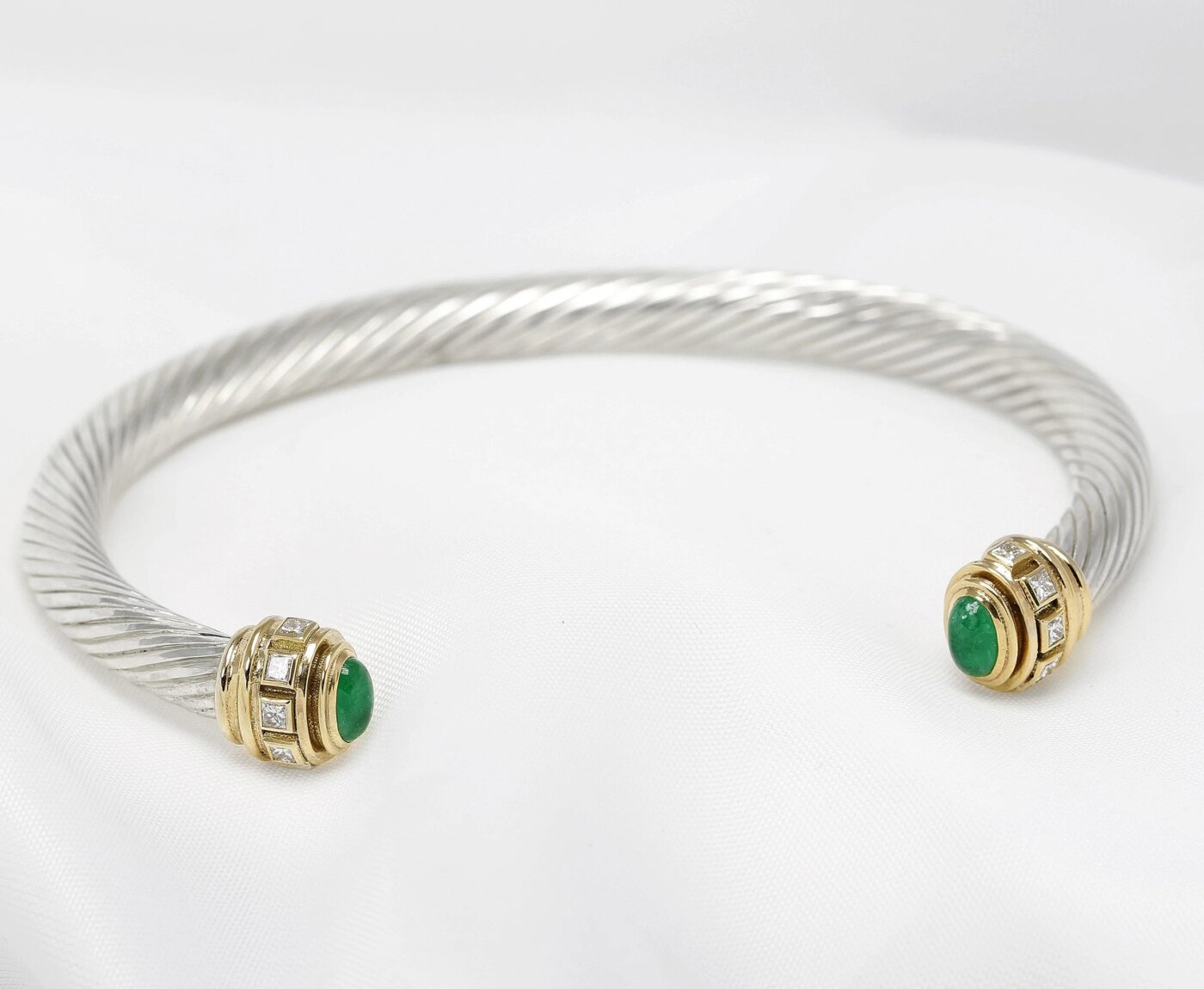
Transparency Matters: Knowing Exactly What you are Wearing
We believe customers deserve to know what they are buying.
At Timothy Roe Fine Jewellery, quality begins with the materials we select. We use precious metals to create jewellery designed for longevity, combining traditional goldsmithing skills with modern manufacturing techniques.
We also believe transparency should extend beyond simply stating whether a piece is made from gold, silver or platinum.
Understanding the alloys used in precious metals is important because pure precious metals are often too soft for everyday jewellery. They are therefore combined with other metals to create stronger, more durable alloys suitable for different designs and applications.
Common Fine Jewellery Precious Metal Alloy Compositions
- 9ct yellow gold: 37.5% gold, copper, silver, zinc
- 9ct white gold: 37.5% gold, palladium, nickel (US & Canada), or silver, sometimes alongside small amounts of zinc or copper
- 9ct rose gold: 37.5% gold, copper and silver
- 18ct yellow gold: 75% gold, copper, silver, zinc
- 18ct white gold: 75% gold, palladium, nickel (US & Canada), or silver, sometimes alongside small amounts of zinc or copper
- 18ct rose gold: 75% gold, copper and silver
- Platinum: 95% platinum, iridium, ruthenium, or palladium, copper or cobalt
- Sterling silver: 92.5% silver, copper
We want our customers to feel confident in the materials they are choosing and understand the care that goes into every piece we create.
For us, quality is not simply a marketing term. It is something that begins with the raw materials and continues through every stage of the manufacturing process. That is why we carefully choose the suppliers and designers we work with who provide us with raw materials and jewellery pieces ensured of the best quality and premium metals.
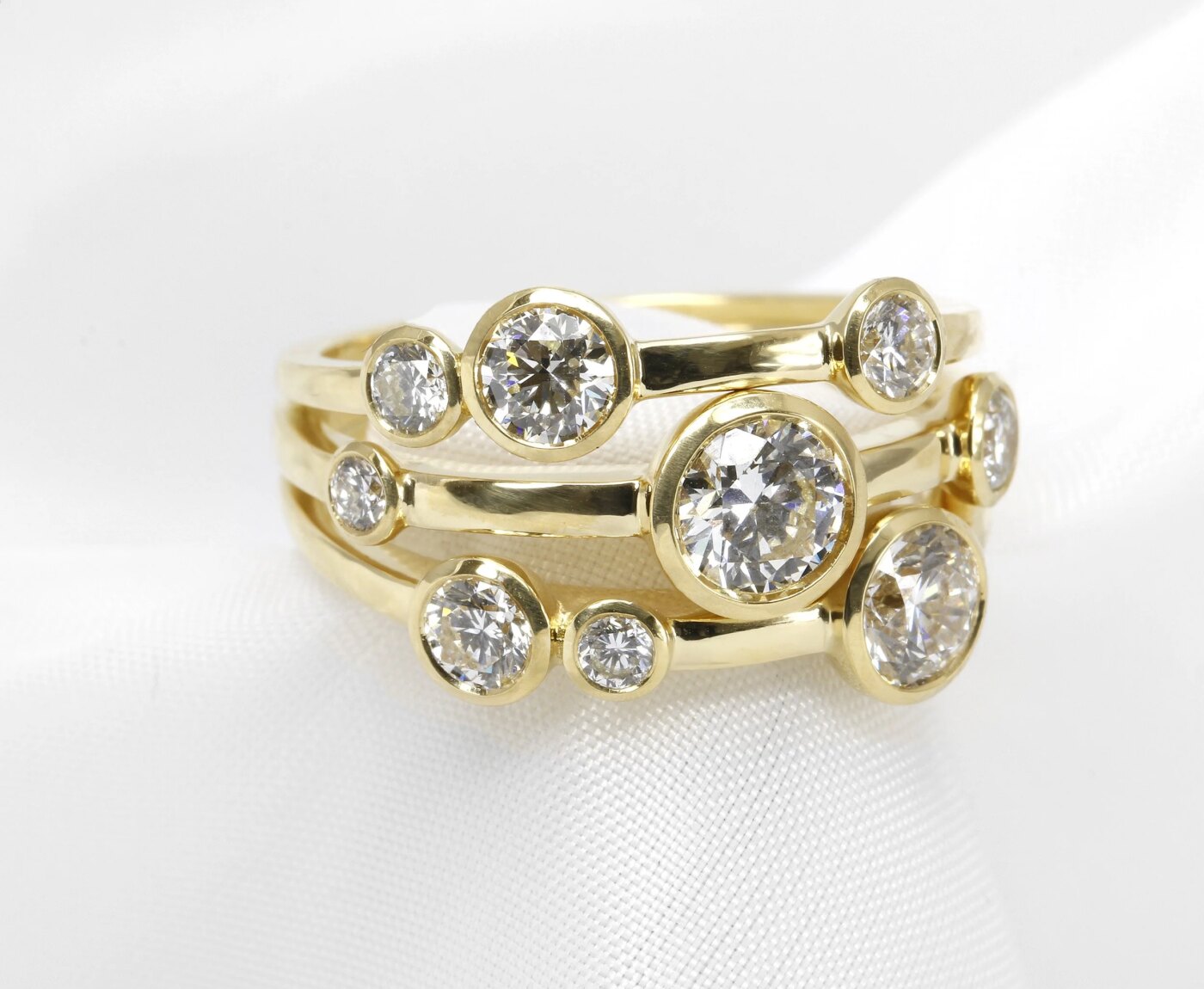
Choose Jewellery that Tells a Story, not a Disposable Trend
Jewellery should mean something.
Whether it is an engagement ring, a wedding band, a birthday gift or a piece commissioned to mark a special occasion, the best jewellery often carries a story that lasts much longer than the trend that inspired it.
At Timothy Roe Fine Jewellery, we are proud to be an independent, family-run jeweller with our own fully functioning workshop in the heart of Chichester. Our goldsmiths combine traditional skills with modern technology to create, repair and restore jewellery with care and attention to detail.
We believe in making pieces that can be treasured for generations, rather than mass-produced accessories that are quickly forgotten.
The recent investigations by the BBC and the jewellery trade press are an important reminder that the cheapest option is not always the best value – and that what we cannot see in a piece of jewellery may be just as important as what we can.
So, before making your next jewellery purchase, take a moment to ask a few questions.
What is it actually made from? Is it genuine precious metal? Can the jeweller explain its composition? Is it properly hallmarked where required? Can it be repaired or enjoyed for years to come? Who is benefiting from this purchase? Where is your money going and who is the company you are supporting?
Because jewellery is something you should feel good about wearing, in every sense of the word.
Buy less. Choose precious. Wear it forever.
At Timothy Roe Fine Jewellery, we believe beautiful jewellery deserves to last – and that starts with knowing exactly what goes into making it.
Visit us in the heart of Chichester to discover beautifully made fine jewellery or talk to our team about creating something bespoke, designed to be treasured for a lifetime. Book your free consultation here.
Further Reading-Related Articles:
Related Posts