Which Gold Carat is the Right One for Me? A Guide to 9ct, 14ct, 18ct Gold
Choosing a bespoke piece of fine jewellery is one of life’s most delightful experiences. Whether you are searching for an engagement ring to cherish for a lifetime, a pair of classic earrings to wear daily, or an heirloom pendant to mark a milestone, selecting the right metal is as crucial as choosing the perfect gemstone.
When acquiring fine gold jewellery, you will frequently encounter the term carat (abbreviated to ‘ct’ in British hallmarking or K/Kt in international markets). Put simply, a carat measures the purity of gold within a piece out of 24 parts and is different to the carat used to weight gemstones. Pure 24ct gold possesses a deep, rich yellow tone; however, in its pure state, it is far too malleable for everyday jewellery, requiring other metals to give it strength and structure.
To give fine jewellery longevity, nuanced colour shades, and workability on the goldsmith’s bench, pure gold is blended with other metal alloys—such as silver, copper, palladium, and zinc. Understanding how these alloy recipes perform across 9ct, 14ct, 18ct, yellow, white and rose gold will help ensure your chosen piece reflects both your aesthetic vision and your lifestyle.
The Chemistry of Gold Carats: Purity and Alloy Ratios
The proportion of pure gold within an alloy defines its hallmark fineness:
- 9ct Gold: Contains 37.5% pure gold (hallmarked as 375).
- 14ct Gold: Contains 58.5% pure gold (hallmarked as 585).
- 18ct Gold: Contains 75.0% pure gold (hallmarked as 750).
The remaining percentage consists of base and precious metals. It is a common misconception that lower carats simply offer a lighter shade of identical gold. In truth, alloy blends fundamentally alter density, workability, and long-term performance.
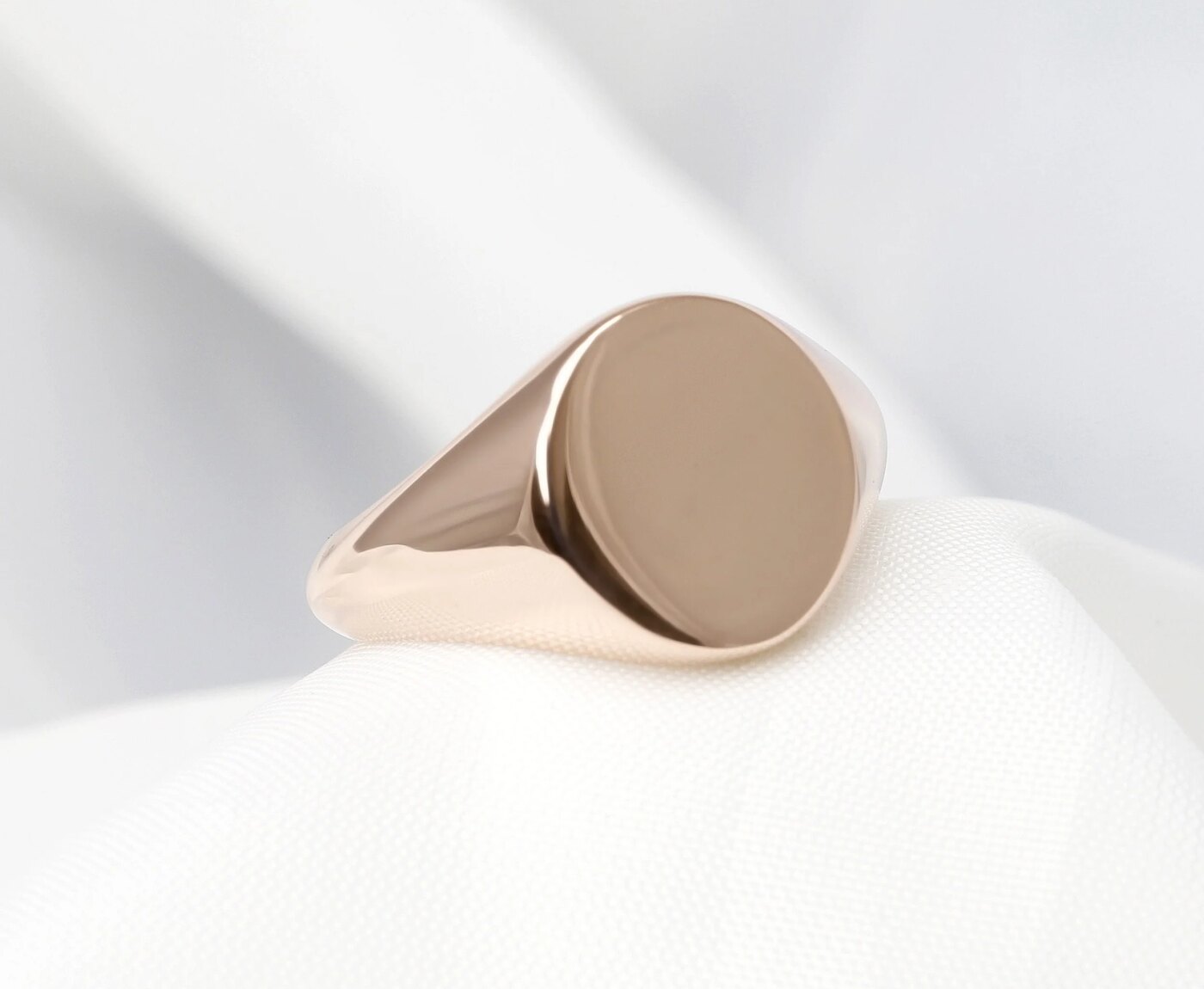
The Secret Recipes of Fine Casters
Have you ever noticed two 9ct yellow gold rings from different jewellers that display subtly different shades? This is because every caster and refinery guards their exact alloy mixing ratio like a trade secret. While we know the ingredient list—gold, silver, copper, palladium—the exact proportions vary, resulting in distinct nuances in tone from one atelier to another.
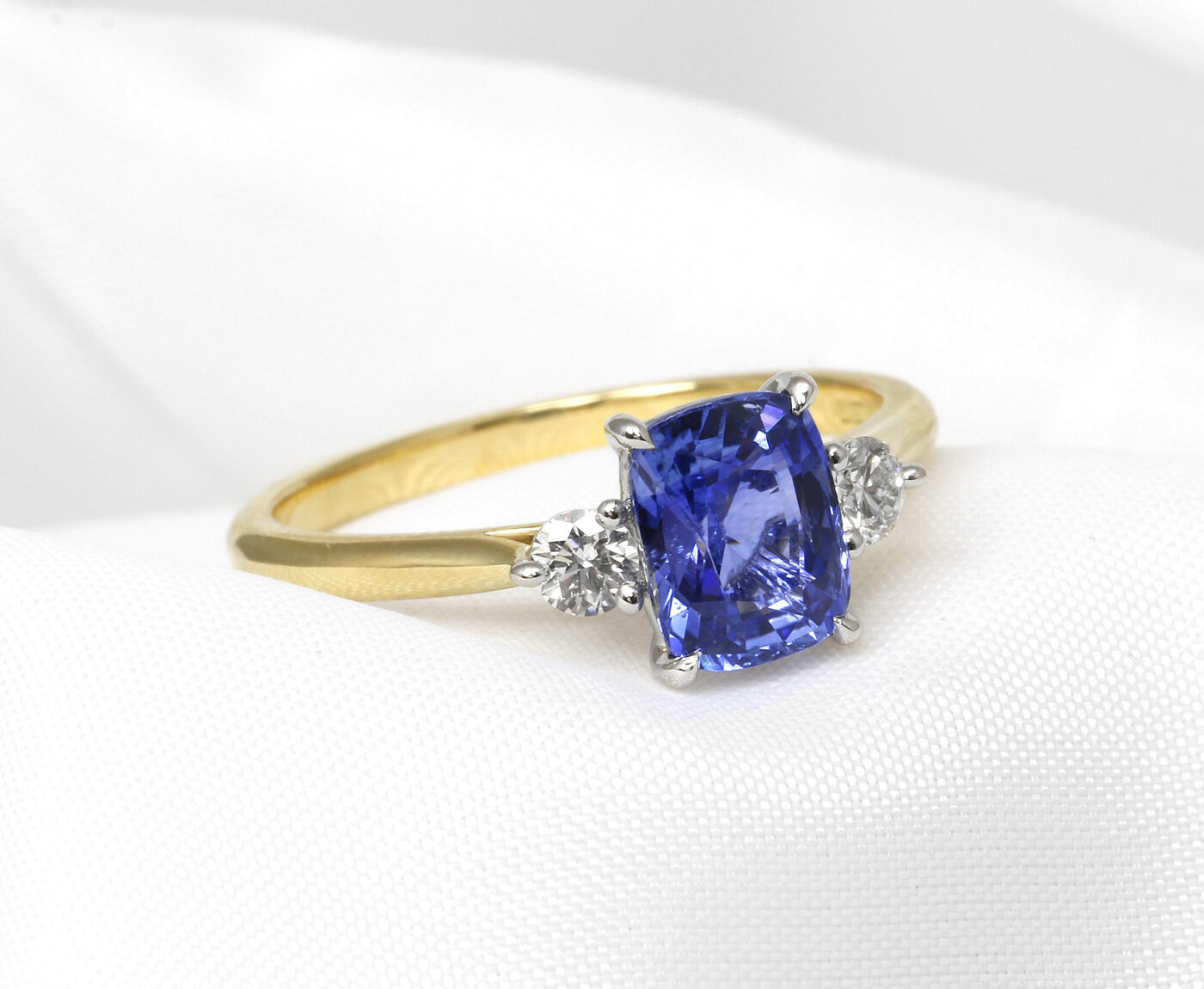
From the Bench: How Golds Perform in the Artisan’s Hands
| Gold Type | Pure Gold Content | Bench Characteristics | Best Suited For |
| 9ct Yellow & Rose | 37.5% | Hard, durable, withstands heavy hammering | Everyday chains, signets, heavy bangles, plain wedding bands |
| 9ct White Gold | 37.5% | Soft due to high silver content, but inherently brittle | Earrings, non-contact dress pendants |
| 14ct Gold | 58.5% | Hard, stiff claws, tricky solder matching | Daily wear, denser settings |
| 18ct Gold (The Pinnacle) | 75.0% | Buttery smooth, naturally elastic, forgiving, effortless finish, easier to shape | Heirloom engagement rings, high-jewellery |
9ct Gold: Robust, Stable and Accessible
With 37.5% pure gold, 9ct gold is a cherished staple of traditional British jewellery making. It is a hard, dense metal that goldsmiths do not have to be overly gentle with on the bench—it takes hammering and heavy forming brilliantly.
However, because of its high copper content, heating 9ct gold brings copper oxides to the surface giving it a reddish brown patina, which the artisan must meticulously clean off. On finishing, 9ct yellow gold requires systematic sandpapering before a final polish to bring out its shine which wears down the gold a little more quickly. It is however, more affordable because of its lower gold content.
- 9ct White Gold (A Note on Rings): White gold is created by blending yellow gold with naturally white metals like silver and zinc. Because 9ct white gold contains only 37.5% yellow gold, it relies heavily on silver to dilute the yellow tone. This silver renders 9ct white gold soft and inherently brittle. Under the localised stress of daily ring impacts, 9ct white gold can crack or split. For this reason, master jewellers prefer to avoid 9ct white gold for rings, while recommending it freely for low-contact earrings and pendants.
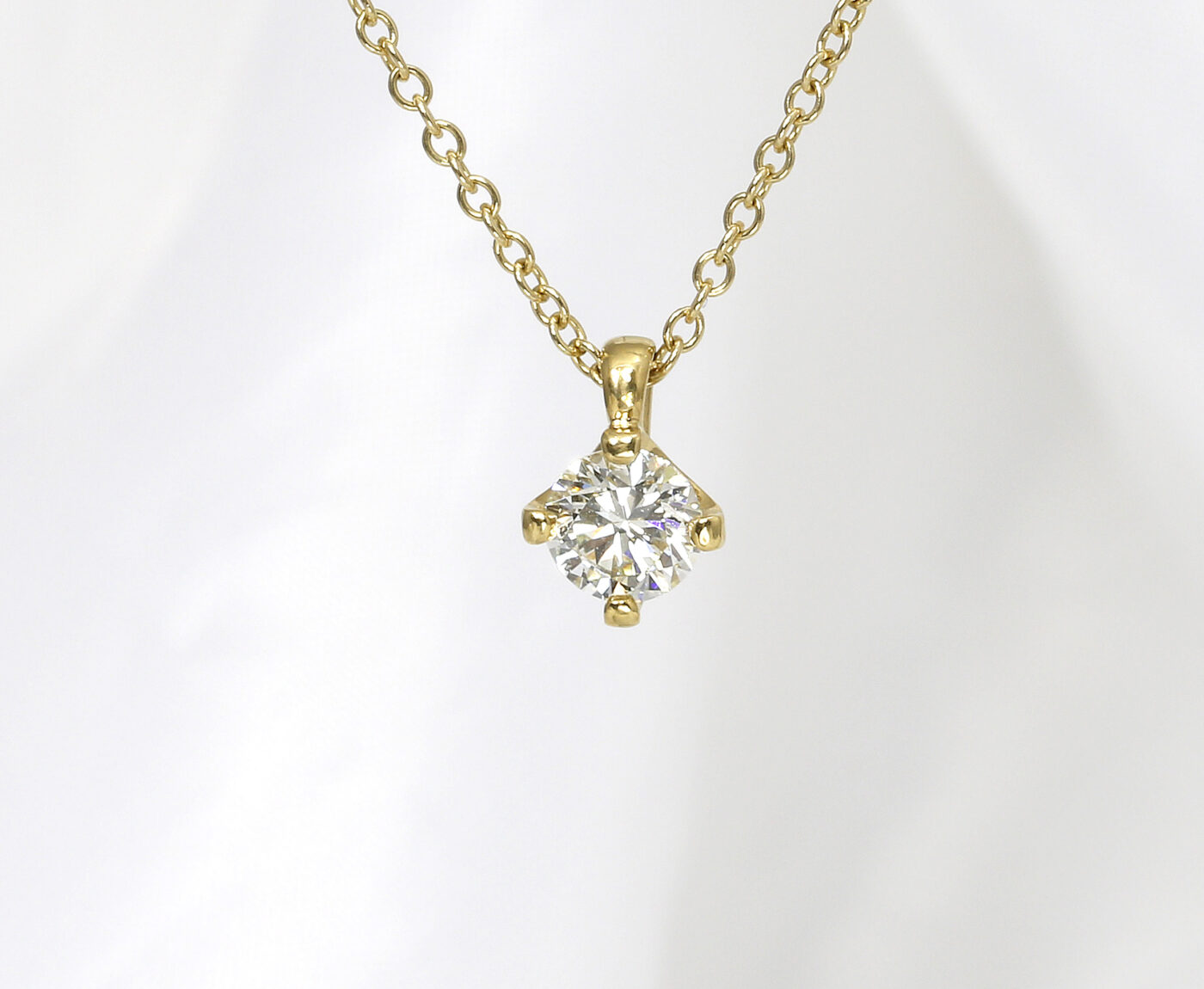
14ct Gold: The Goldsmith’s Challenger
While popular in continental Europe and the US, 14ct gold is notoriously difficult on the goldsmith’s bench. Composed of roughly half gold and half base metals, it is remarkably stiff and stubborn to work with.
Setting stones in 14ct gold can be tricky: the claws are rigid and unyielding, making precise adjustments challenging. It is tough to shape, hard to polish, and finding exact solder colour matches for delicate joins is a constant hurdle for bench jewellers. When we asked our goldsmiths they said they would opt for 9ct or 18ct over 14ct every time.

18ct Gold: The Absolute Gold Standard
For master goldsmiths, stonesetters and luxury clientele alike, 18ct gold is the undisputed favourite. Containing 75% pure gold, it possesses a natural elasticity and springiness. Where lower carats might snap or crack under stress especially when they age, 18ct gold simply flexes and bounces back. It does not take much work to buff out scratches therefore, the gold doesn’t wear down as quickly.
It is a common misconception that 18ct yellow gold is not as durable as 9ct gold. Technically, the 9ct yellow has harder alloys in it but both rings will scratch over time and 18ct yellow gold may dent a little deeper under a heavy impact knock but the 18ct yellow gold is going to be easier requiring less work to restore and polish out the scratches.
Working with 18ct gold is a joy for the craftsman:
- Effortless Finish: It rarely needs harsh sandpapering; scratches buff out with supreme ease, leaving a buttery smooth surface and it takes less time than platinum and lower carat gold pieces.
- Forgiving for Settings: Its natural softness and elasticity allow goldsmiths to form smooth, secure claws seamlessly over precious gemstones.
- Pure Luxury: In the hand, 18ct gold carries an unmistakable, reassuring weight and that defines fine luxury jewellery.
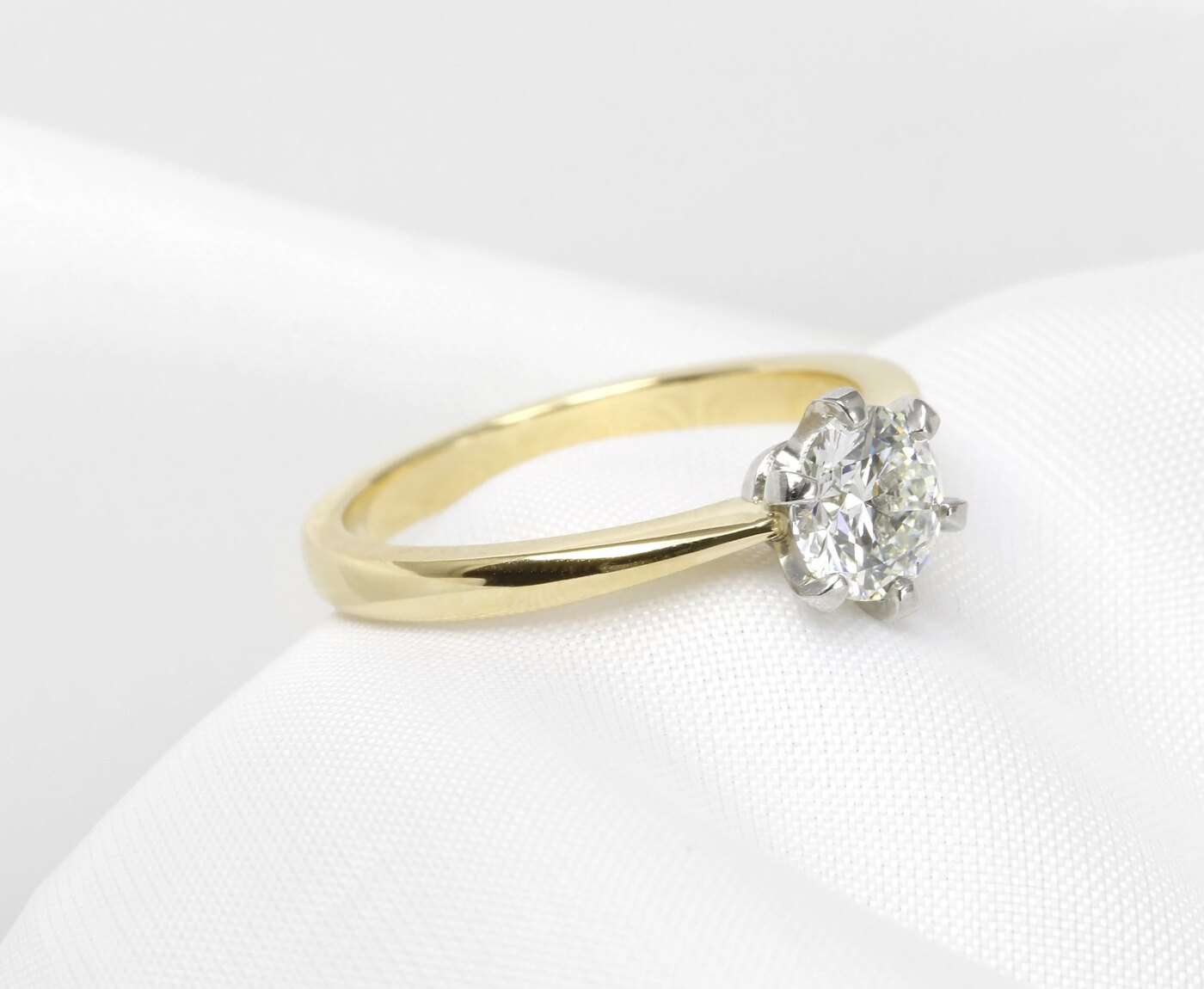
The Warmth of Rose Gold: A Special Case
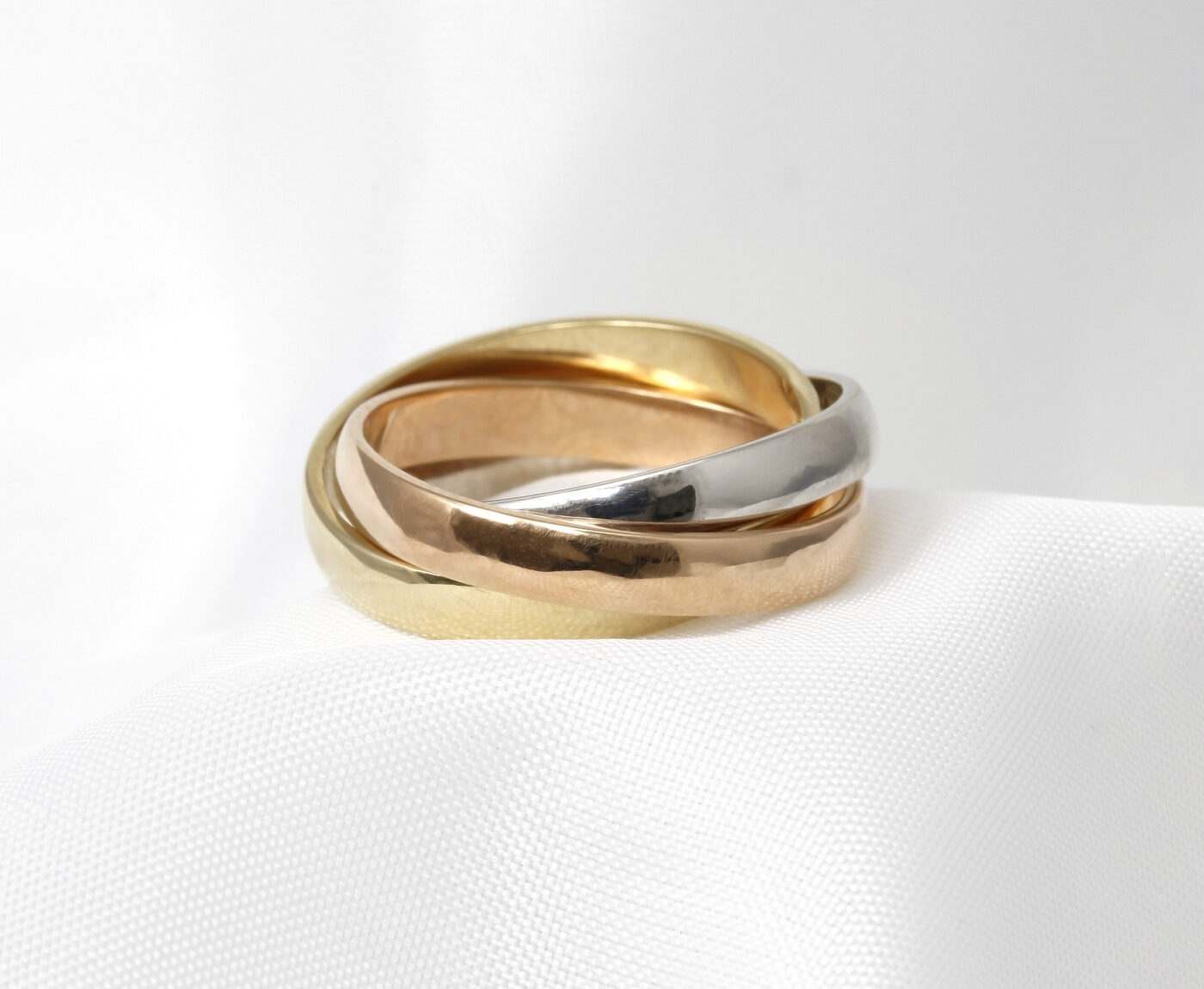
Rose gold is created by increasing the proportion of copper in the alloy mix. Both 9ct and 18ct rose gold are delightful metals to forge because copper is inherently soft and melts smoothly under the torch. It is more flexible. 14ct is more difficult to work with, again, due to the alloy mix.
However, rose gold comes with one unique artisan quirk: solder colour matching issues. Because there are no gold solders that perfectly mirror the deep pinkish hue of rose gold and so many rose golds vary in colour, fine join lines on rings or chains may remain subtly visible upon close inspection. Sometimes bench jewellers use yellow gold on solders which is even more obvious but matching colours and sourcing available solders is a challenge for rose gold.

Ageing, Oxidation, and Rhodium Plating
Precious metals age naturally as they interact with skin oils, moisture, lotions, products, heat and oxygen over the years.
Oxidation
Pure gold itself never oxidises. It is a noble metal and nothing corrodes or reacts with it. Higher carats are far more resistant to surface tarnish. When heating lower carats (9ct and 14ct) during repairs or sizing, the high copper content reacts to heat by inducing surface tarnish, requiring extra pickling and cleaning. Over years of daily wear, 9ct gold pieces may naturally develop a subtle patina and its colour changes slightly to a more darker brassy hue. 9ct rose gold will have more of a coppery-orange colour over time. This is because the other alloy metals in the mix are tarnishing and oxidising–you might know this from the black tarnish on silver items or if you’ve seen antique rings in second hand jewellers they will have a dark brass-like colour. 18ct gold retains is natural original buttery warm yellow or light rose pink colours because the gold content is higher than the other alloy metals.
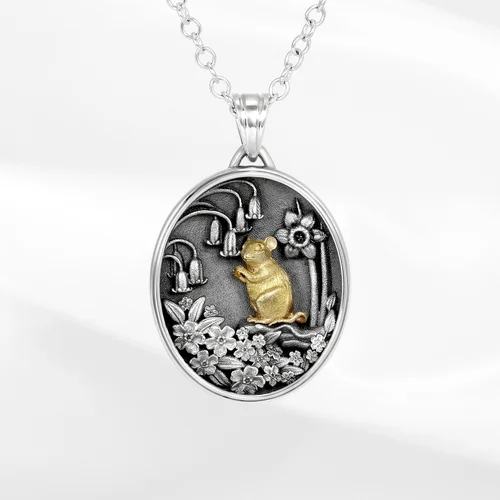
June 2023 – Oxidised Sterling Silver & Yellow Gold
The Truth About White Gold
Naturally, all white gold carries a soft cream undertone because its primary ingredient is pure yellow gold. To achieve a bright, mirror-like silver finish, white gold pieces are traditionally electroplated with rhodium—a precious, brilliant metal from the platinum family.
As you wear your white gold piece, everyday contact, chemicals and lotions as well as natural oils gently wears down this rhodium layer over time, revealing the creamy yellow metal beneath:
- In 9ct White Gold: As the plating wears off it is not as noticeable because it has a high silver content and silver is naturally white. On earrings and pendants in 9ct white gold you rarely need to replate these and they do not go through the same wear as rings do.
- In 18ct White Gold: As the rhodium wears, a warm, buttery creaminess softly shows through. This soft warmth is a proud indicator of the 75% pure gold content within your piece. Some white gold pieces have a high palladium content and so might look slightly greyer like platinum when the rhodium plating fades.
Re-plating white gold every couple of years during a clean and polish will instantly restore its cool silvery sheen, though many collectors come to prefer the warm, organic look of unplated 18ct white gold.
For those with nickel allergies please be advised that white gold in the US, Canada, Caribbean and some European countries still legally use nickel in their white gold jewellery. In the UK it was declared an official allergen due to so many people having aggressive allergic reactions to it so it is now no longer permitted to be used in jewellery in the UK. When buying jewellery abroad or online from international companies do due diligence and ask if the piece contains nickel!
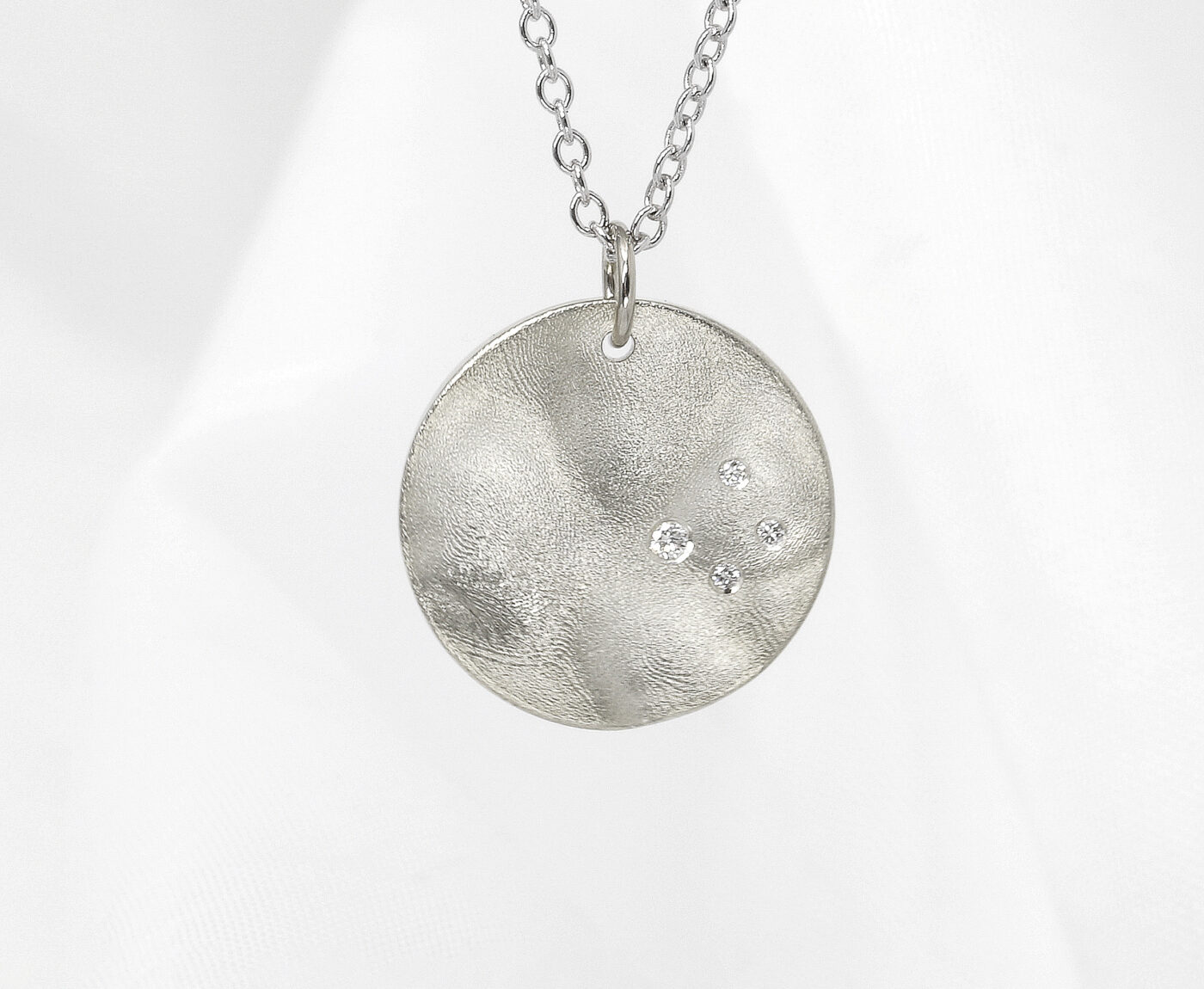
Medium Molten Disc Pendant with Diamonds in 9ct White Gold
Final Thoughts: Choosing Your Metal
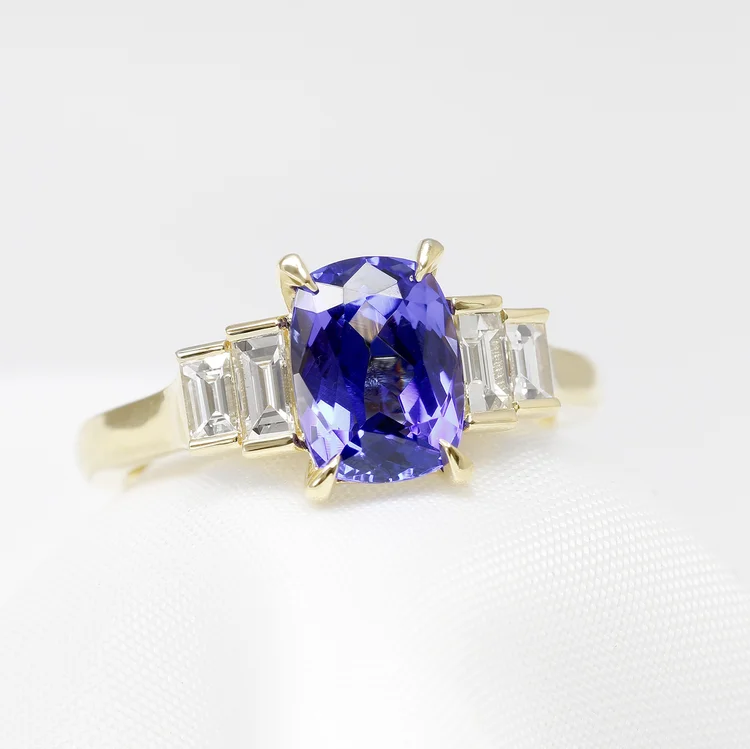
- For Engagement Rings & Statement Luxury: Choose 18ct gold (yellow, white, or rose) for beautiful expensive gemstones, if your budget allows, and for its forgiving strength, exquisite lustre, colour longevity, superior flexibility, and velvety bench-polished finish.
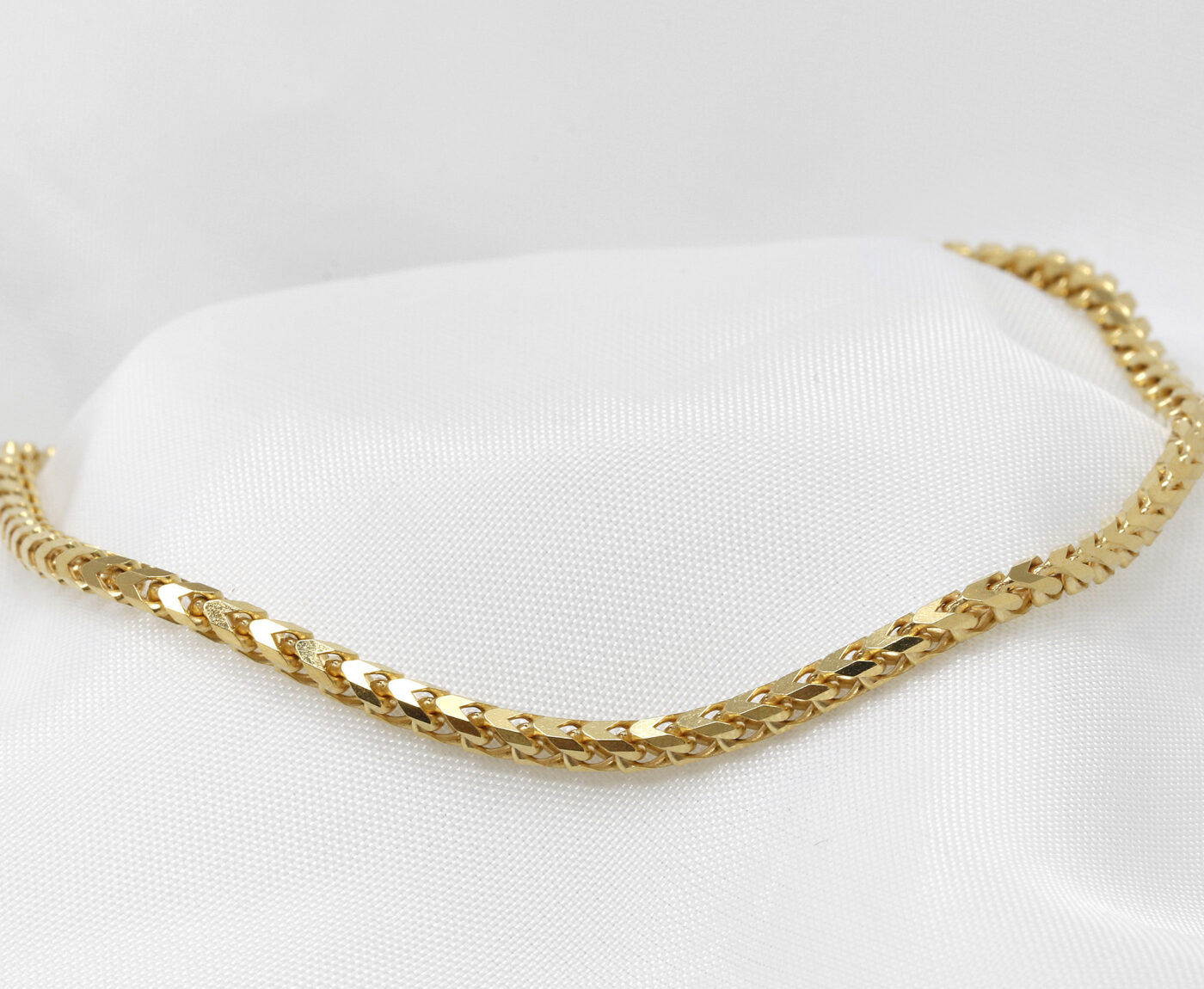
- For Heavy Daily Wear: Opt for 9ct yellow or rose gold if you need a dense, durable metal for heavy chains, bangles or plain wedding bands that can withstand tough daily wear.
- For Earrings & Necklaces: 9ct white gold offers an accessible, lightweight option where structural stress is minimal.
By choosing a metal that balances bench-crafted quality with your personal routine, your fine gold jewellery will remain a joy to wear for generations. If you’re still unsure and are thinking of commissioning a bespoke piece of jewellery schedule your free consultation here and we’ll answer all your questions!
Related Posts