A Guide to 9ct, 14ct, 18ct and 22ct Gold
Choosing gold involves more than colour. The carat tells you how much pure gold an alloy contains, while the other metals influence its colour and working properties.
Understanding the differences can help you choose jewellery to suit your style, budget and lifestyle. Here is our guide to choosing 9ct, 14ct, 18ct and 22ct Gold.
What does gold carat mean?
Pure gold is 24 carat. It is naturally soft, so other metals are added to make it suitable for jewellery and alter its colour and properties.
The common gold carats and their corresponding UK fineness marks are:
| Carat | Gold Content | Fineness Mark |
| 9ct |
37.5% |
375 |
| 14ct | 58.8% | 585 |
| 18ct | 75% | 750 |
| 22ct | 91.6% | 916 |
The remaining percentage is made up of other metals, commonly silver, copper, zinc or palladium. Exact compositions vary, so alloys of the same carat can have different colours and properties.
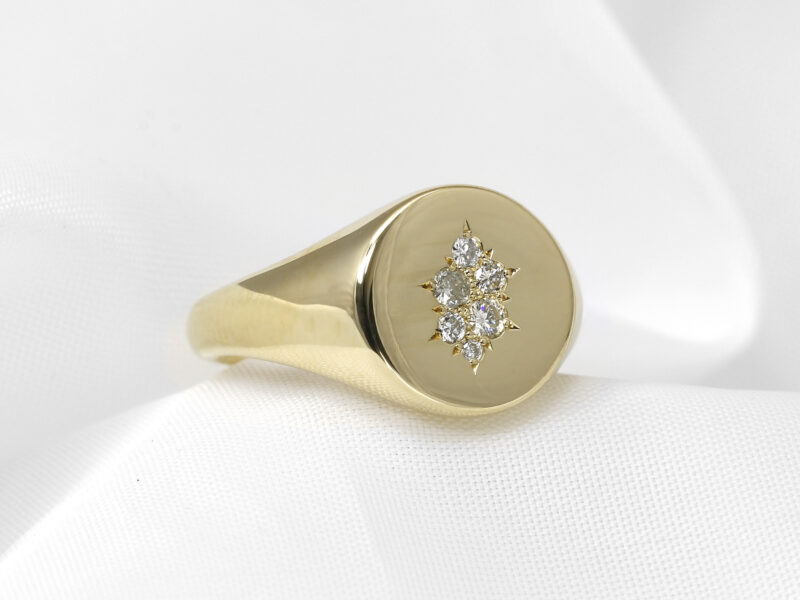
9ct gold: Practical and accessible
Containing 37.5% pure gold, 9ct is usually the most affordable of these options. Its colour depends on the alloy, with yellow gold often having a lighter tone than higher-carat yellow gold. Copper-rich rose gold has a warmer, pinkish appearance.
Some 9ct alloys are harder than comparable 18ct alloys, although this depends on their composition. Hardness, strength and resistance to wear are different properties, and the design and construction of a piece are also important to its durability.
9ct gold is widely used for rings, earrings, necklaces and bracelets.
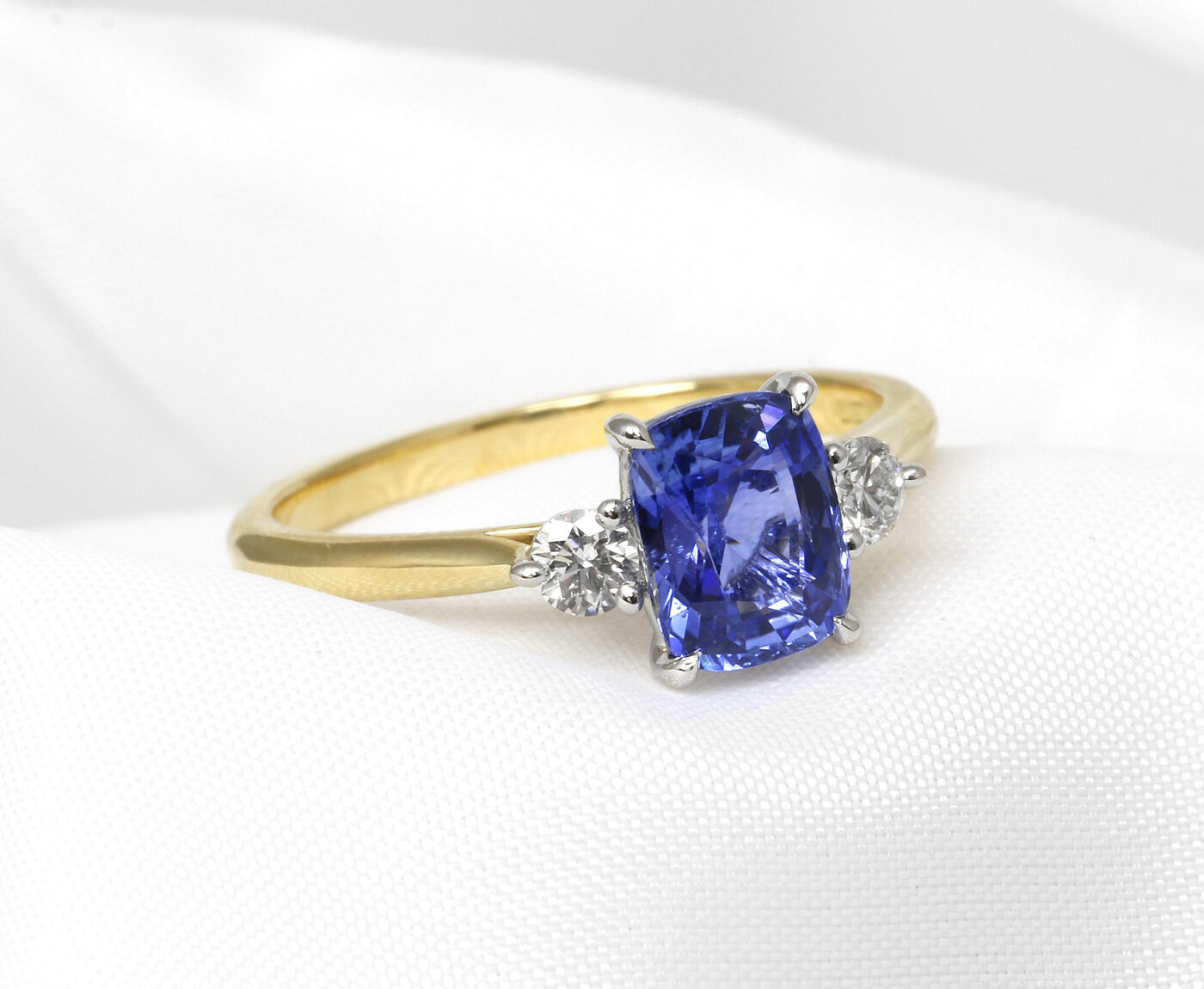
14ct gold: A middle ground
14ct gold contains 58.5% gold and is particularly popular in markets such as the United States. It offers a middle ground between 9ct and 18ct in gold content and price.
Its colour and working properties depend on the alloy recipe. Some 14ct alloys may be harder or less malleable than particular 9ct or 18ct alloys, but 14ct is not inherently difficult to work with.
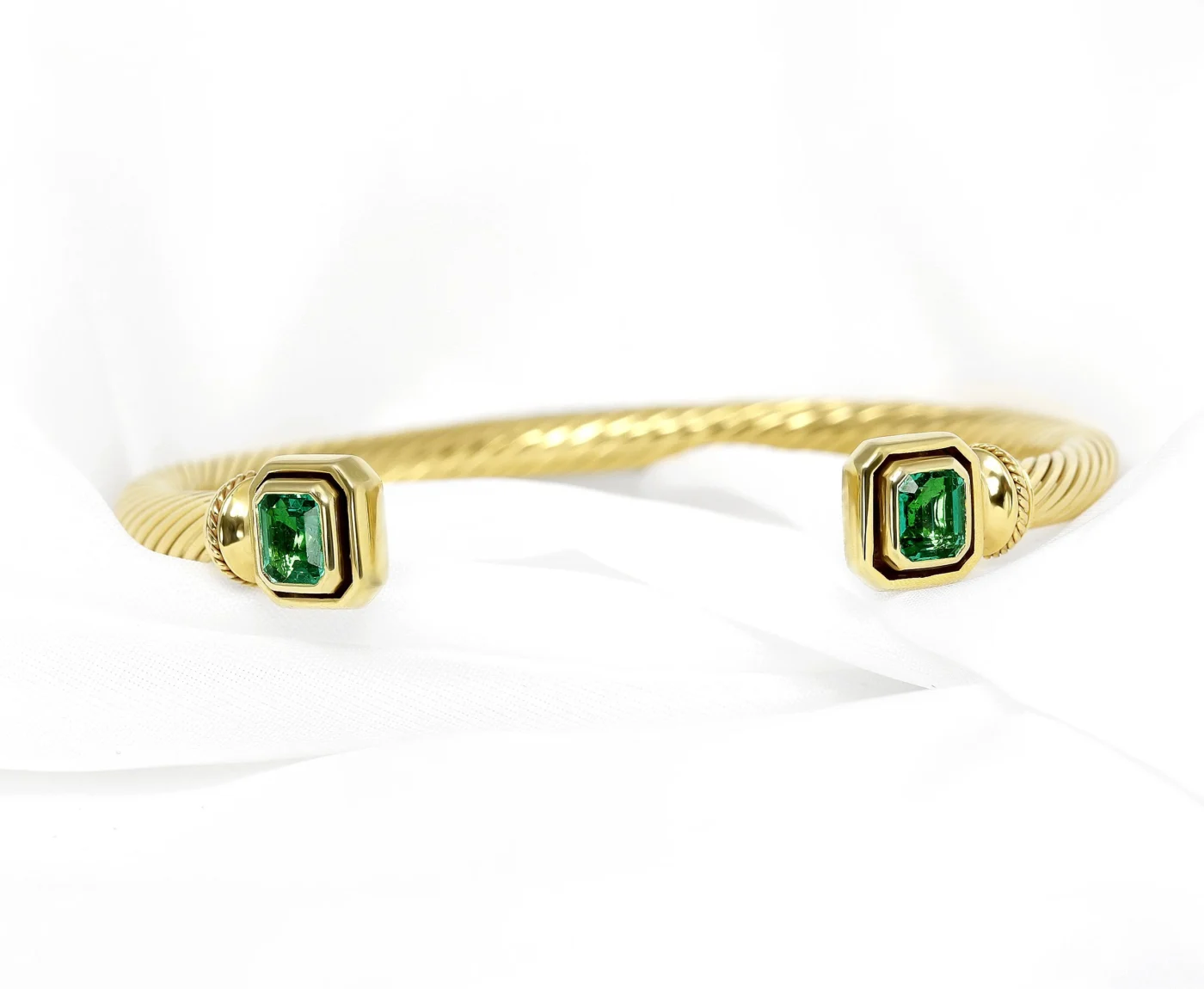
18ct gold: Higher gold content
18ct gold contains 75% pure gold. Its higher gold content often gives yellow gold a richer colour and makes it a traditional choice for fine jewellery and bespoke commissions.
It can be softer than some lower-carat alloys, depending on their composition. Like all gold alloys, 18ct can scratch, bend or become damaged by impact. Good design and suitable metal thickness matter at every carat.
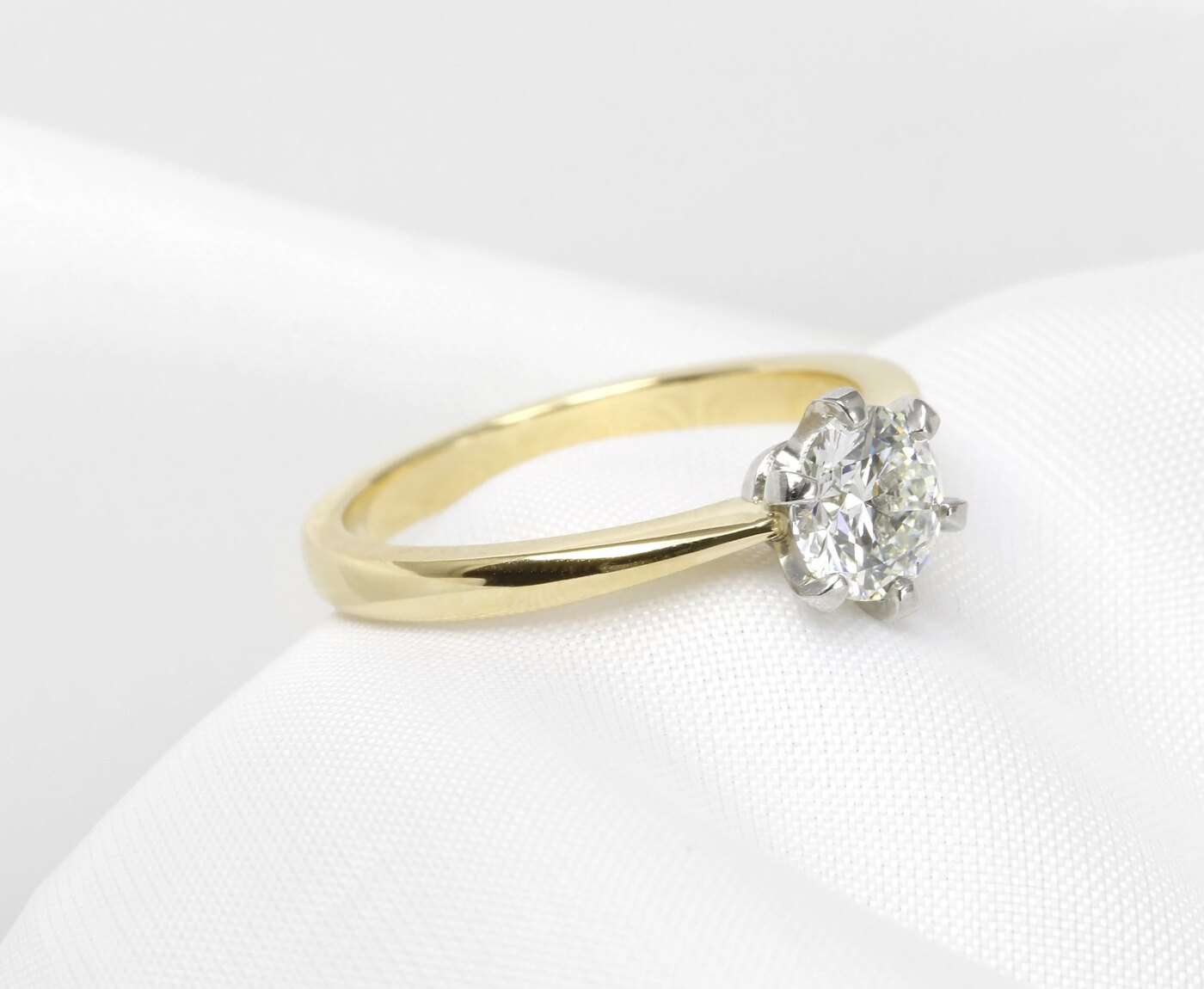
22ct gold: Rich colour and traditional character
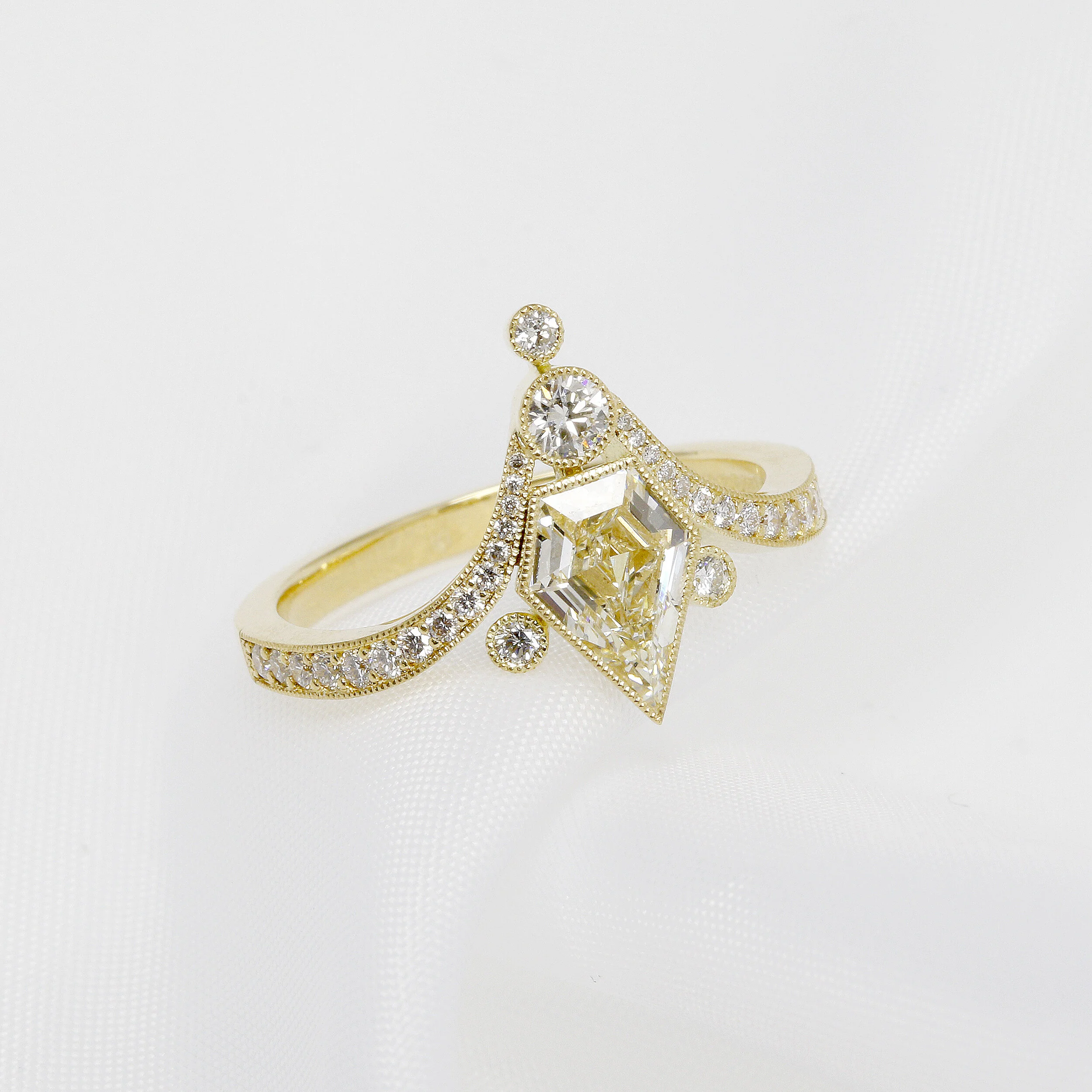
22ct gold contains approximately 91.6% pure gold, giving it a particularly rich, warm yellow colour. The small proportion of other metals helps provide the structure needed for jewellery while retaining a high gold content.
Compared with many lower-carat alloys, 22ct gold is generally softer and more malleable, although its precise working properties depend on the alloy composition and how the metal has been worked. It can be more susceptible to scratches, dents and deformation, so the design and construction are especially important.
It is often chosen for traditional gold jewellery and distinctive bespoke pieces where its colour and high gold content are part of the appeal. At Timothy Roe, we also occasionally manufacture bespoke jewellery in 22ct gold, selecting suitable designs and construction methods to make the best use of its characteristics.
What about yellow, white and rose gold?
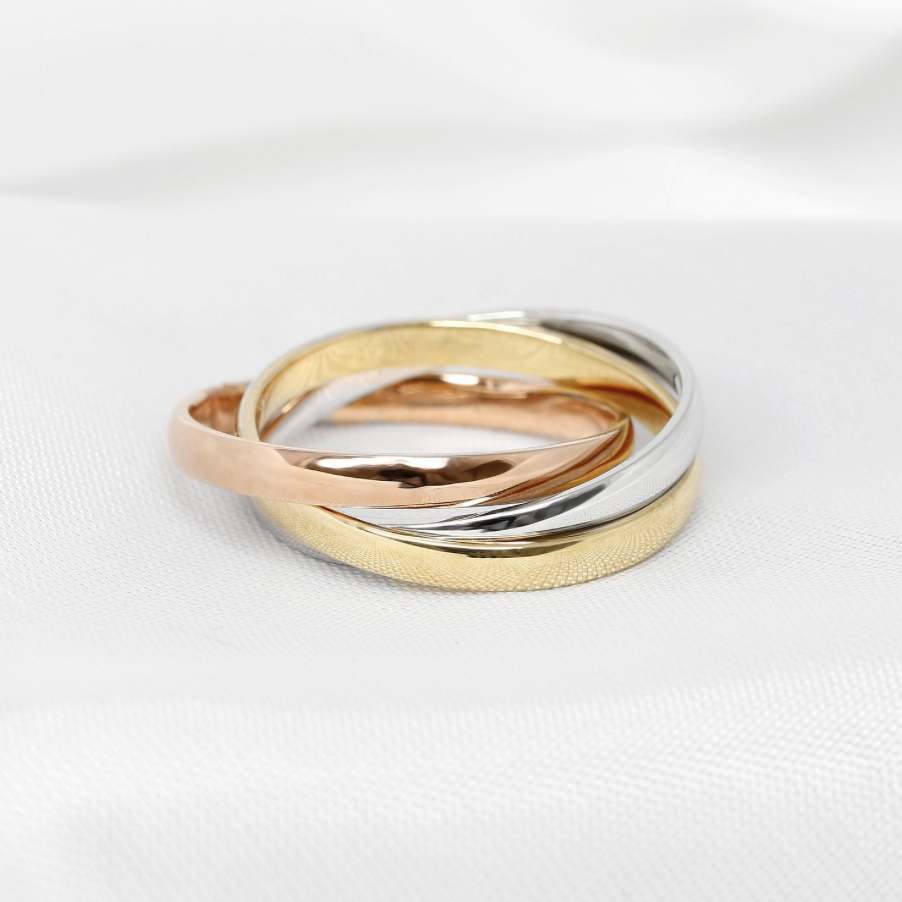
Gold’s colour comes from the metals mixed with it. Yellow gold commonly contains silver and copper. Rose gold uses more copper to create its pink tone. White gold is alloyed with metals such as palladium and silver, and sometimes nickel, to reduce its natural yellow colour.
White gold is often rhodium plated for a bright white finish. The plating gradually wears with use, particularly on rings, and can be renewed when the underlying colour starts to show. There is no fixed re-plating interval; it depends on how the jewellery is worn.
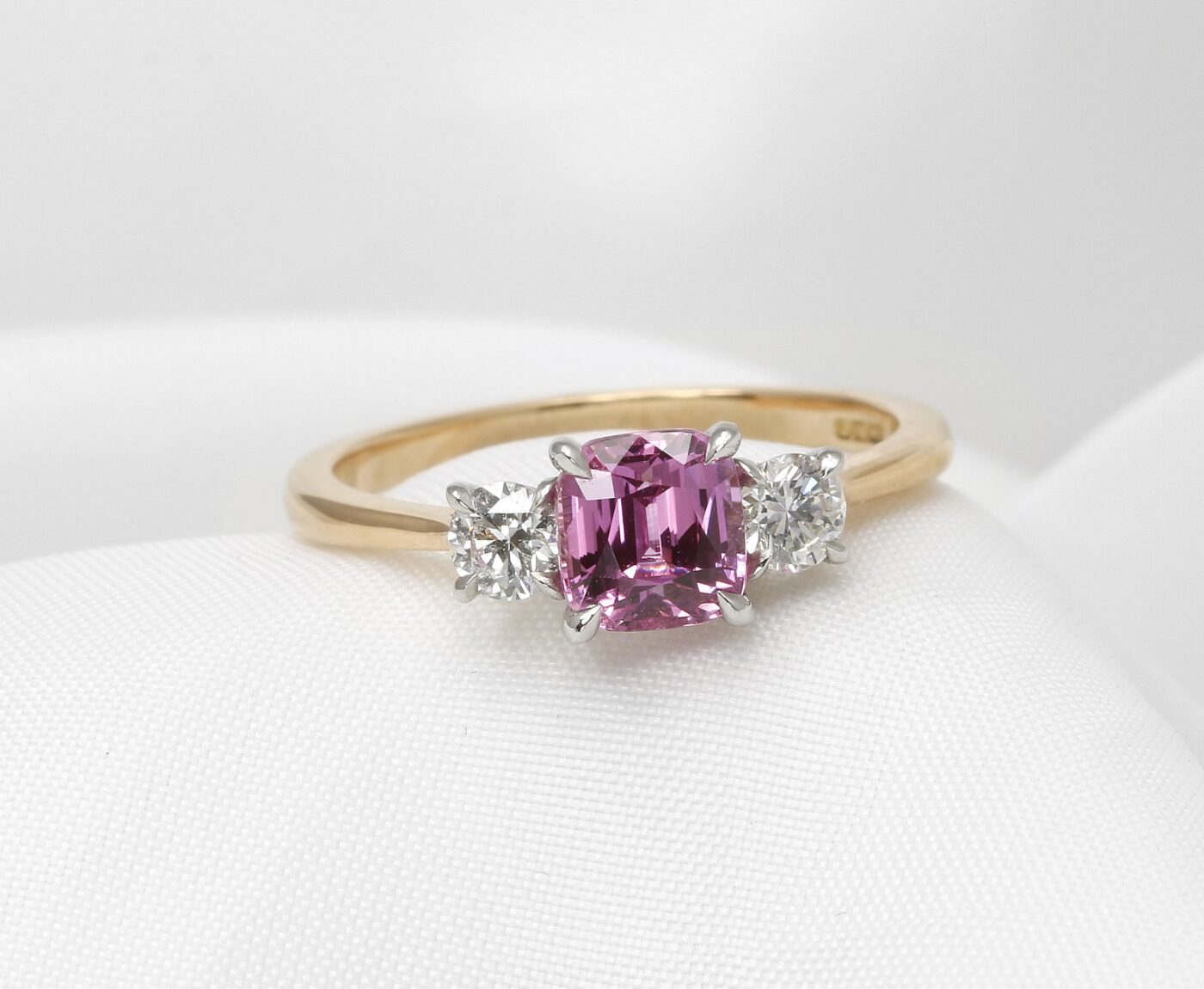
Does gold change colour over time?
Gold itself is highly resistant to tarnishing, but other metals in an alloy may react with substances in the environment. Dirt and cosmetic residues can dull the appearance of jewellery, while exposure to certain chemicals and environmental conditions may cause alloying metals to tarnish. It is not accurate to say that all 9ct gold will become dark or brassy, or that higher-carat gold will never change.
Everyday wear can also cause scratches and dents. Gentle cleaning and professional checks help keep pieces in good condition. Polishing removes a small amount of metal, so it should only be carried out when needed.
Which carat should you choose?
There is no single best carat for every piece. 9ct may suit a tighter budget; 14ct offers a middle option; 18ct provides a higher proportion of gold and often a richer yellow colour; while 22ct offers an even higher gold content and distinctive warmth.
The right choice also depends on the design, intended use and personal preference. At Timothy Roe Fine Jewellery, we can explain the options and help you select a metal that complements your design and how you intend to wear it.
If you would like to read more about gold or hallmarking here are some useful links below.
World Gold Council – Is Gold Jewellery A Good Investment?
Gov.uk – Hallmarking: practical guidance
Related Posts