All About Tanzanite: The Rare Blue Gemstone from Tanzania
Tanzanite is a striking blue-violet gemstone found in only one place on Earth: the Merelani Hills of northern Tanzania. It is now a much-loved coloured gemstone.
Blue zoisite was identified in Tanzania in 1962, but the significant commercial deposit was discovered in 1967. Tiffany & Co. introduced it internationally in 1968. Tiffany executive Henry B. Platt chose the name Tanzanite, referencing its country of origin.
A Unique Geological Origin
Tanzanite is the blue-to-violet variety of the mineral zoisite. Its only known commercial source of gem-quality material is the Merelani Hills, near Mount Kilimanjaro.
It occurs in metamorphic rocks associated with elongated, segmented structures called boudins, when a rigid layer stretches and breaks apart inside softer, more ductile surrounding rock. Crystals occur in associated pegmatite veins and mineral-rich fractures. The region also produces Tsavorite, a green grossular garnet.
Colour and Heat Treatment
Tanzanite is strongly pleochroic, so its colour changes with the viewing direction. Unheated, it is trichroic, showing blue, purple and yellowish-brown.
Most Tanzanite used in jewellery is heat treated to reduce or remove the yellowish-brown component, bringing out its familiar blue-violet shades.
Heat treatment is accepted, widely used and generally stable. Surface coatings and fracture filling are possible but uncommon. Coatings can be damaged through wear, while fracture-filling materials may change over time.
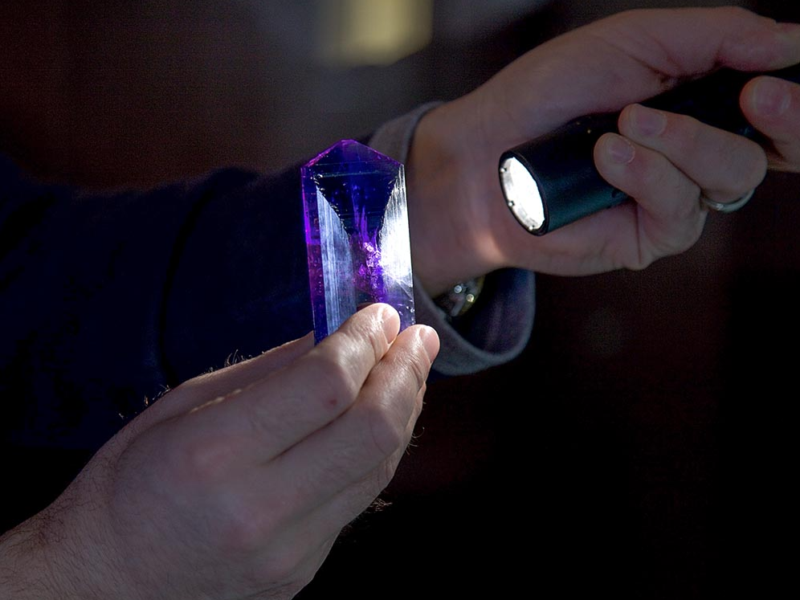
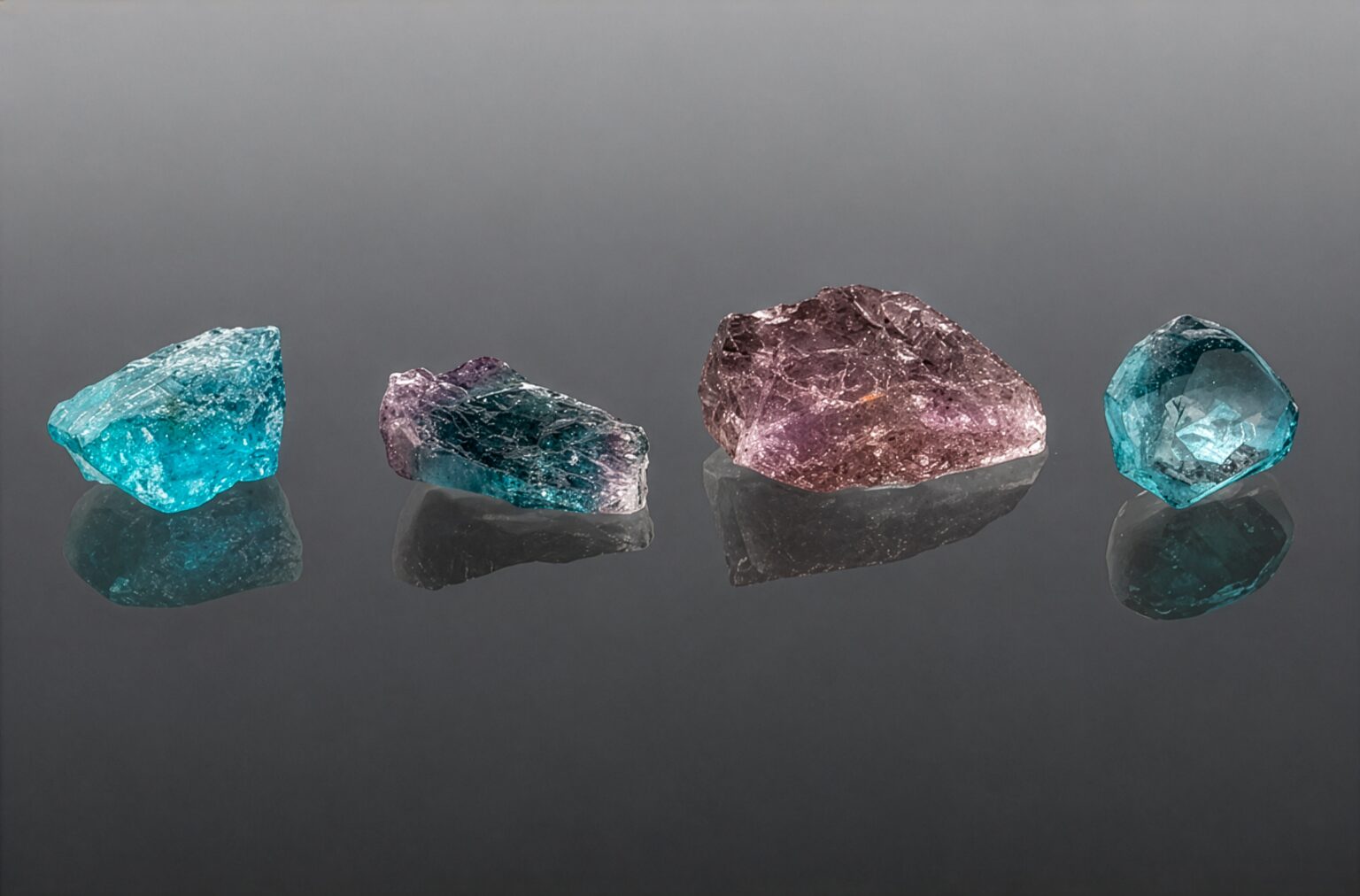
Tanzanite specimen with an unique intense violet hue – Courtesy Fine Minerals International
Is Tanzanite Synthetic?
There is no established commercial market for laboratory-grown Tanzanite. However, synthetic corundum, YAG, synthetic forsterite and coloured glass can imitate its colour. Natural sapphire, spinel, iolite and kyanite can also look similar. Gemmological testing can identify imitations and treatments.
What Determines Its Value?
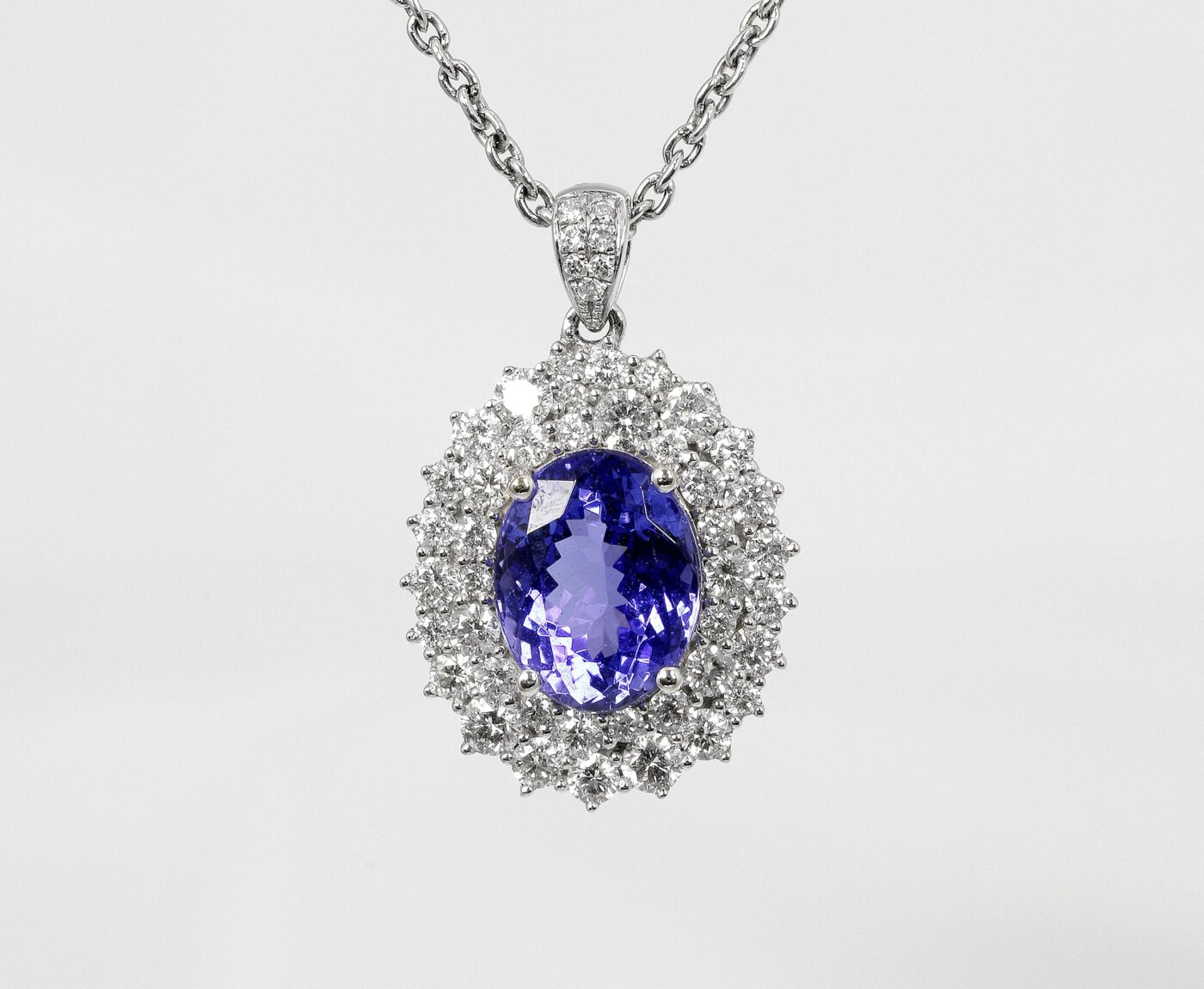
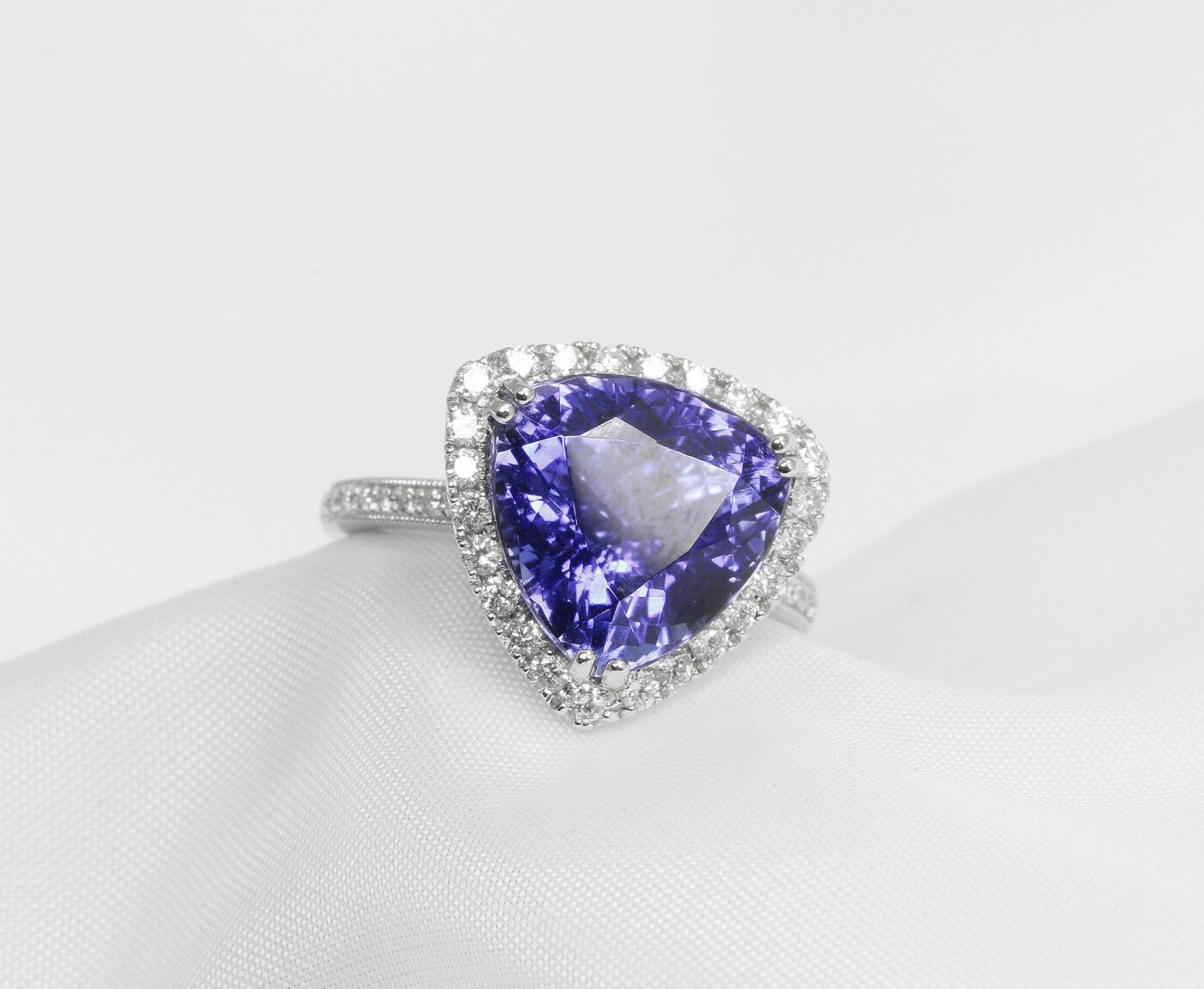
Value depends on colour, clarity, cut and carat weight. Deeply saturated blue-violet stones are generally the most sought after. Good transparency and an absence of obvious inclusions are also desirable.
Cutting requires skill to orient the crystal for its preferred colour while retaining weight. Larger stones can display particularly impressive colour.
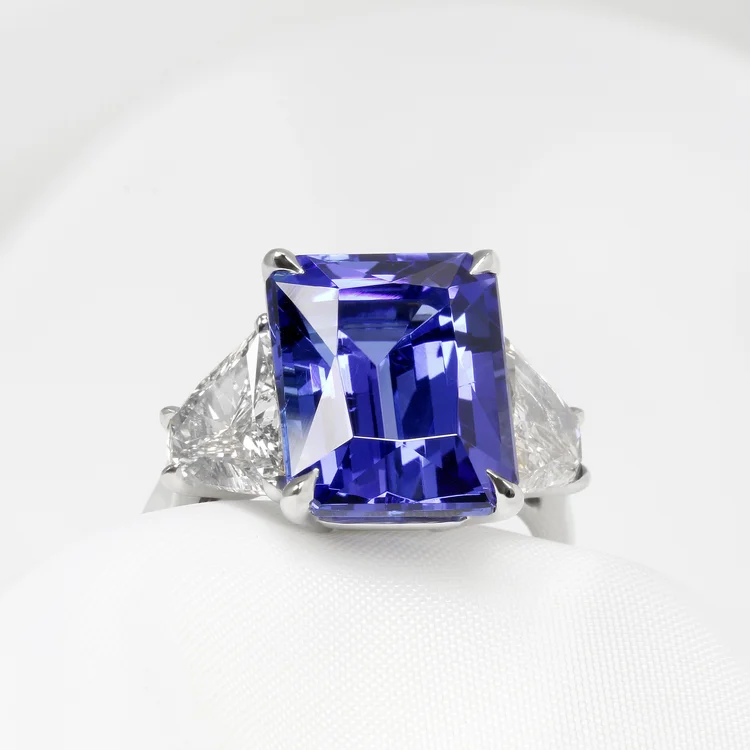
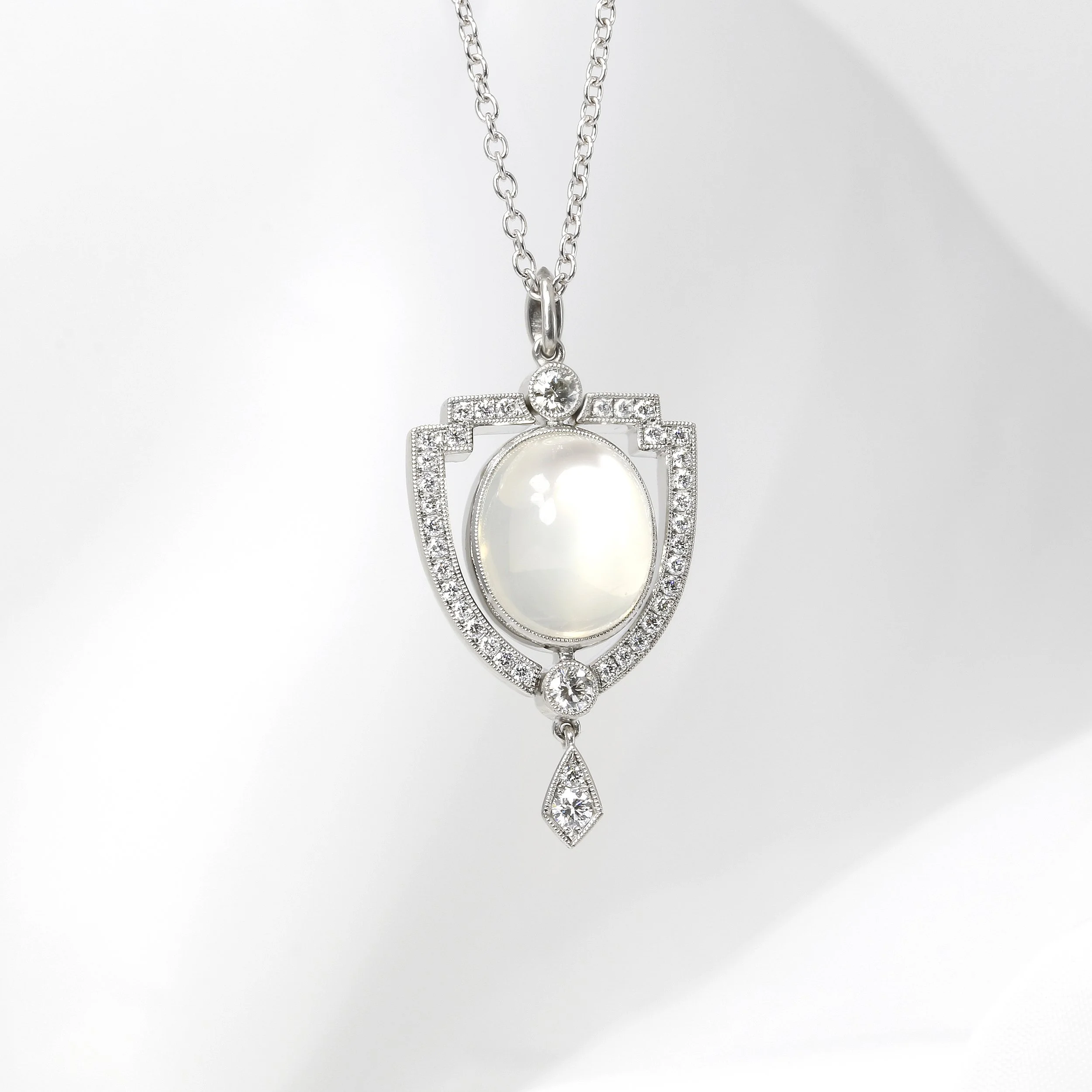
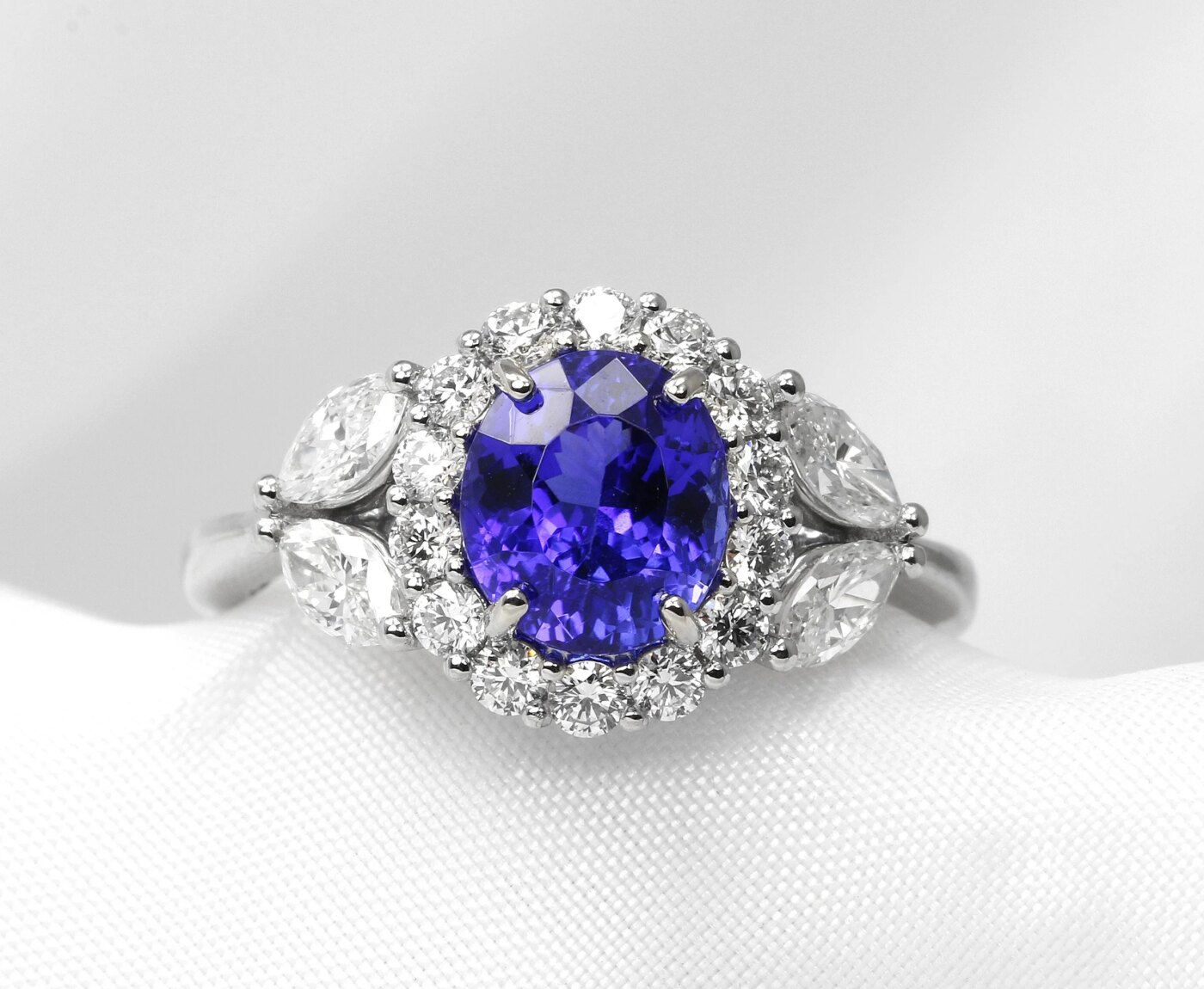
Bespoke Commission September 2022 – Tanzanite and Diamonds in Platinum
Rarity and Mining
Tanzanite is unusual because gem-quality material is commercially sourced from one known location. Its restricted origin makes future availability uncertain.
In 2010, Tanzania restricted exports of transparent, face-table rough Tanzanite weighing 1 gram or more (5 carats). The measure was intended to encourage cutting and polishing within the country, supporting local skills and the Tanzanian economy.
Wearing and Caring for Tanzanite
Tanzanite has a Mohs hardness of 6–7 and relatively poor toughness. It also has cleavage, so a hard impact can cause it to split or chip. Protective ring settings reduce damage risk; pendants and earrings are less exposed to knocks.
Remove it before exercise, gardening or manual work. Clean it with warm soapy water and a soft cloth. Avoid ultrasonic and steam cleaners, harsh chemicals and sudden temperature changes.
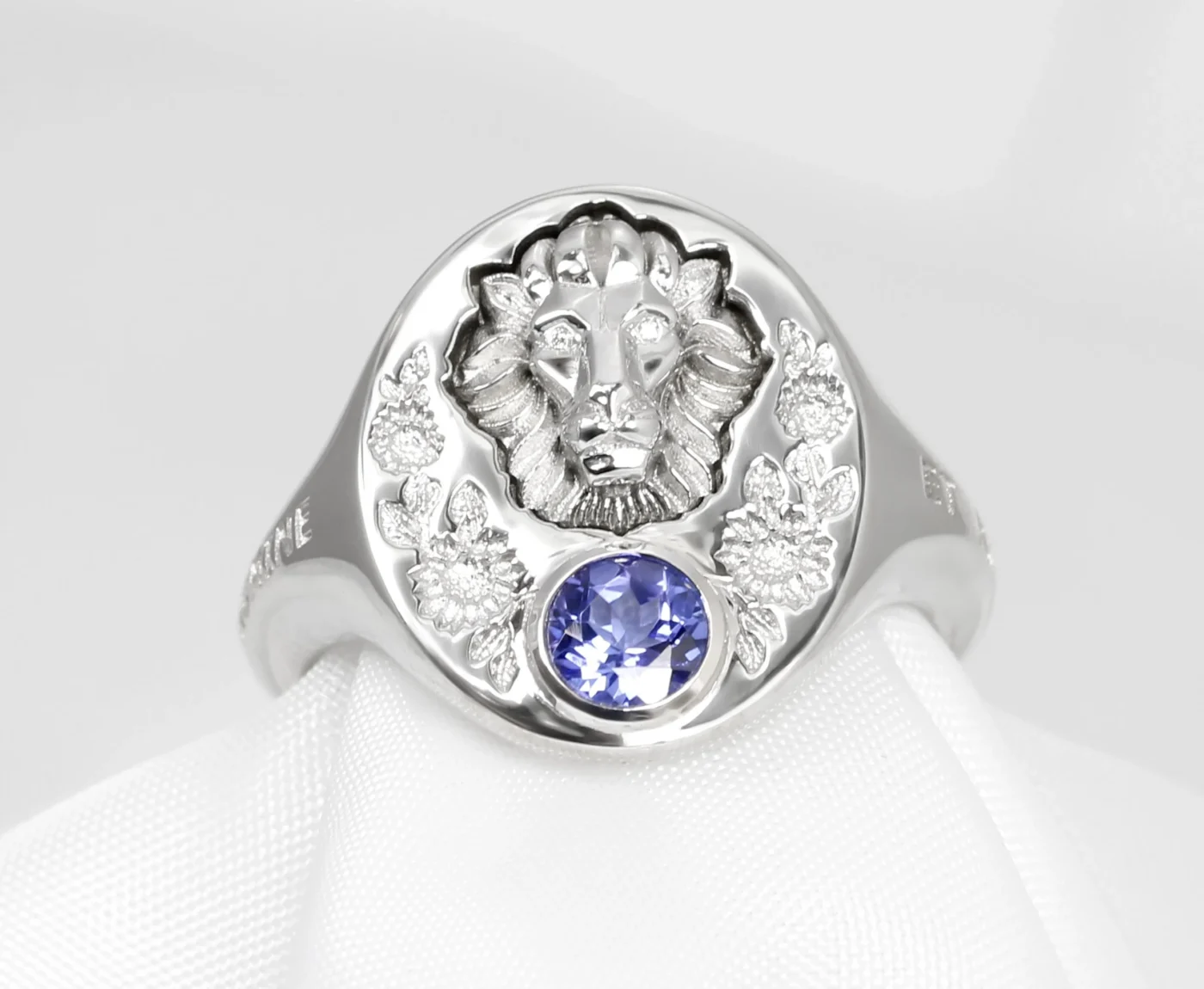
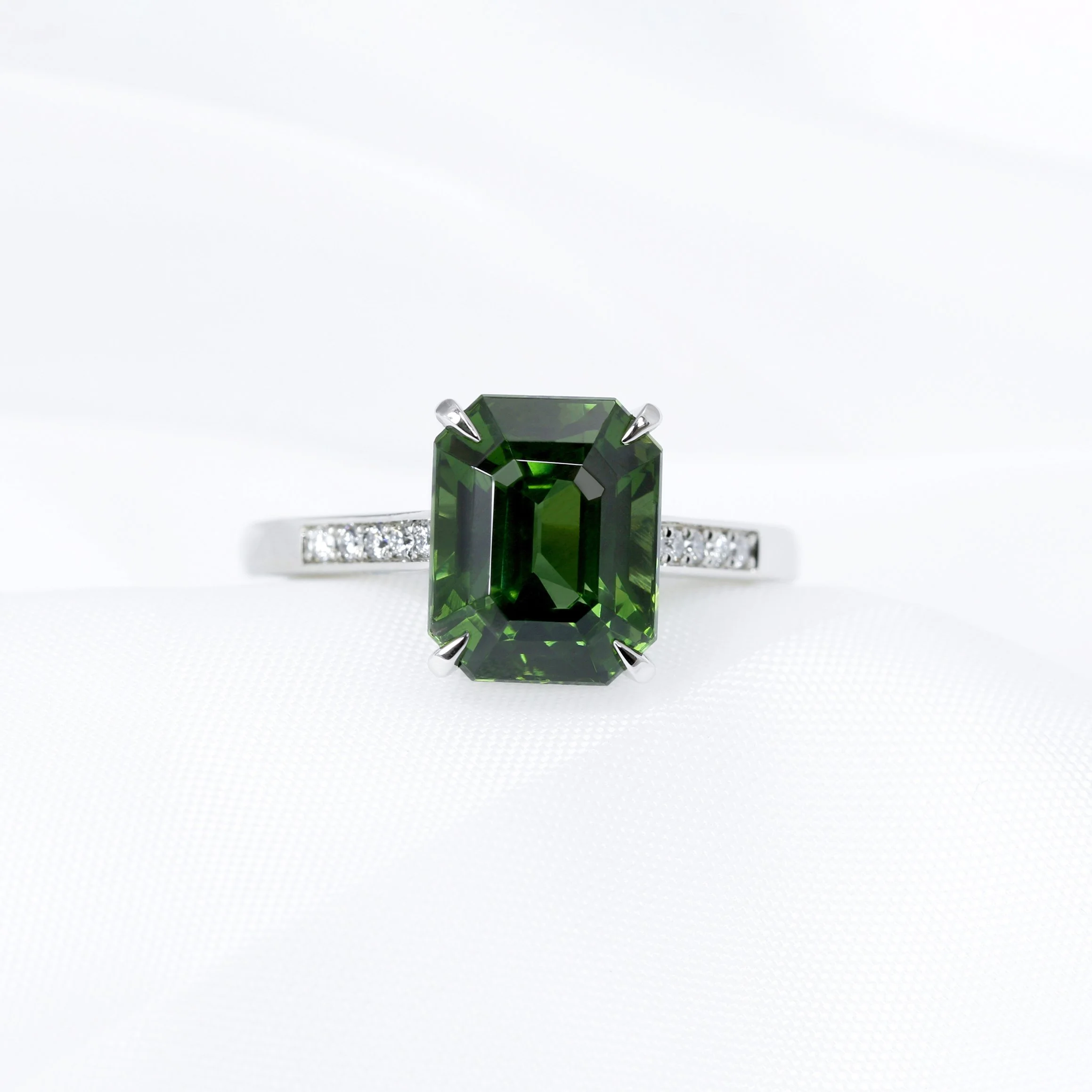
Bespoke Commission White Gold Signet Ring with Tanzanite Stone
December Birthstone
Tanzanite is one of December’s recognised birthstones and is also associated with the 24th wedding anniversary. Its colour is often linked with wisdom, calmness and communication.
A Modern Classic
Discovered commercially only in the 1960s, Tanzanite has quickly earned a place among the world’s admired coloured gemstones. Its restricted origin and captivating colour make it distinctive.
Browse our Tanzanite jewellery or book a consultation to discuss a bespoke design.
If you would like to pursue some additional reading about tanzanite, here are some useful articles below:
GIA – Tanzanite Guide
GIA – December birthstones
Related Posts