The Ultimate Jewellery Repair Guide: Why Fine Jewellery Needs an MOT (and How to Protect It)
When buying a brand-new car, no one expects to drive it for 10 years without changing the oil, checking the tyres, or taking it in for an MOT. Yet, when people purchase fine jewellery, there is often a belief that because it is made of precious gold, platinum, and diamonds, it will stay perfect forever without maintenance.
The reality is that gold, platinum, and silver are soft, malleable metals, and even natural gemstones have their physical limits. Every time you grip a steering wheel, catch a ring on a door handle, pull a jumper over an earring, or wear a necklace to bed, your jewellery undergoes real physical strain. Over time, microscopic layers of metal wear away, connection points fatigue, claws lift, and stone facets softly abrade and become rounded.
Understanding why jewellery wears down—and catching minor issues early—is the secret to ensuring your treasured pieces last a lifetime. Here is our workshop guide to the most common repairs we handle, why they happen, how to prevent them, and what to expect when bringing your pieces in for servicing.
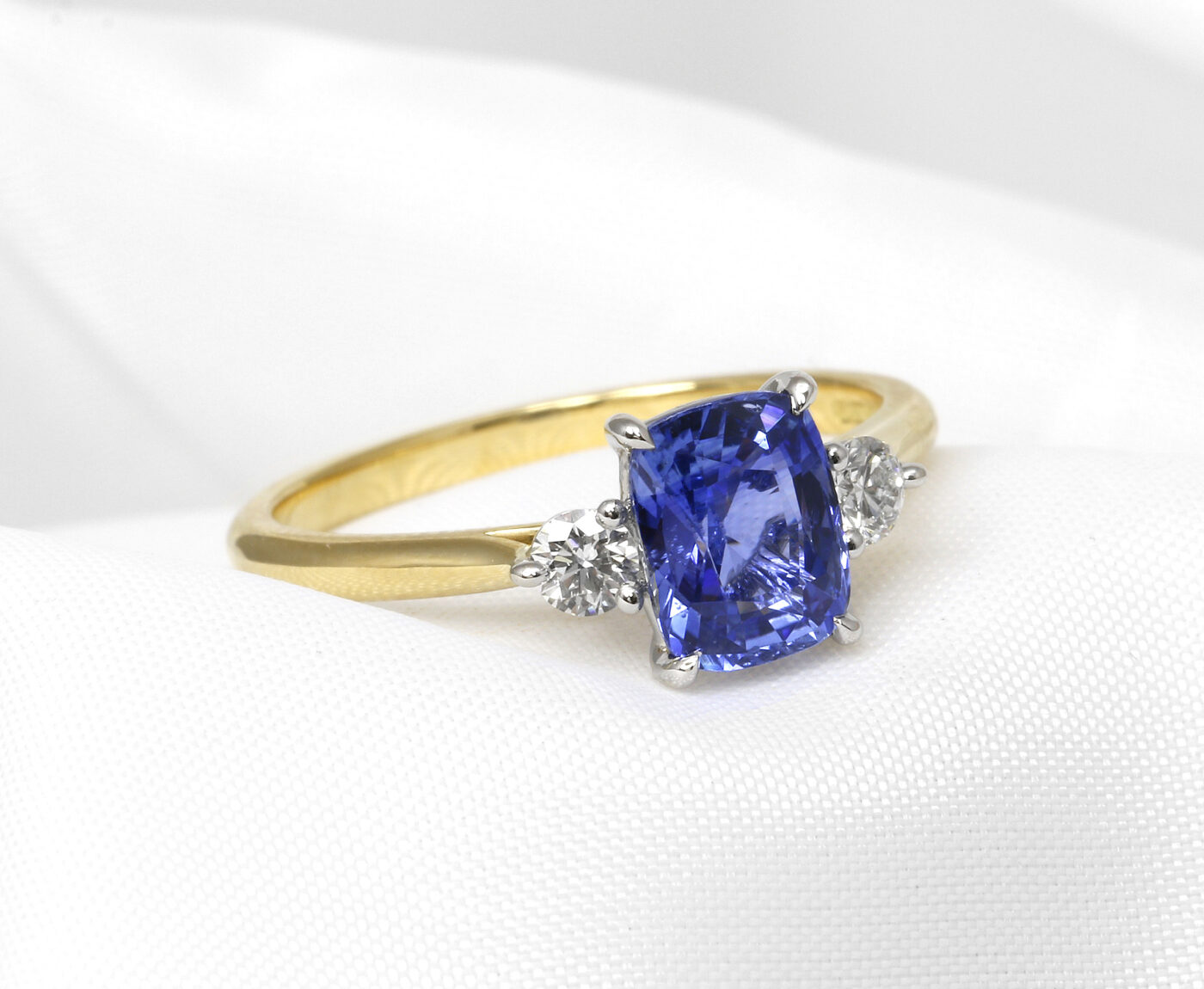
Sapphire and Diamond Three Stone Ring in 18ct Yellow Gold and Platinum
1. Structural Metal Wear: Cracked Shanks, Worn Settings & Metal Porosity
Why It Happens: The metal structure supporting your gemstones takes continuous pressure, chemical exposure, abrasion and knocks.
- Cracked & Thinning Shanks: The bottom section of your ring band (the back of the shank) bears the squeezing pressure of daily hand movements. Gripping heavy steering wheels, shopping bags, secateurs or gym equipment slowly flattens, squeezes and squashes and thins the band.
- Square, Razor Sharp Ring Shanks: When rings are stacked against each other they will inevitably wear down and the sides will become square or flat, thin and razor sharp where it might feel like it is cutting into you.
- Worn Settings & Bezels: The metal collets and finger bezel structures supporting your stones rub against skin and other rings, slowly losing depth over decades of wear. Rings stacked together will rub against each other sawing into one another when they move which causes damage to the collets (baskets) your gemstones are housed in.
- Metal Porosity: Porosity refers to tiny microscopic air bubbles trapped within metal, often stemming from the original casting process or past repairs. Over time, friction and wear expose these tiny subsurface voids, leading to pitting, rough texture, small round dark spots, or sudden structural cracks along stress or previous join lines.
- The Repair: If a shank is cracked or razor-thin, our bench jewellers can provide a new half or quarter shank—cutting away the worn lower band and laser-welding a thick, durable piece of matching metal in place. Worn settings and porous metal can often be seamlessly built back up using modern, high-precision laser welding without exposing surrounding gemstones to destructive torch heat. Of course, this is assessed on a case-by-case basis and might not be possible on all rings.
- Prevention: Remove rings during heavy manual labour, gardening, or weightlifting. Avoid stacking rings side-by-side where they grind into each other’s settings. You might like to consider permanently soldering multiple rings together if you want to wear stacked rings all the time to avoid the moving sawing motion against each other.
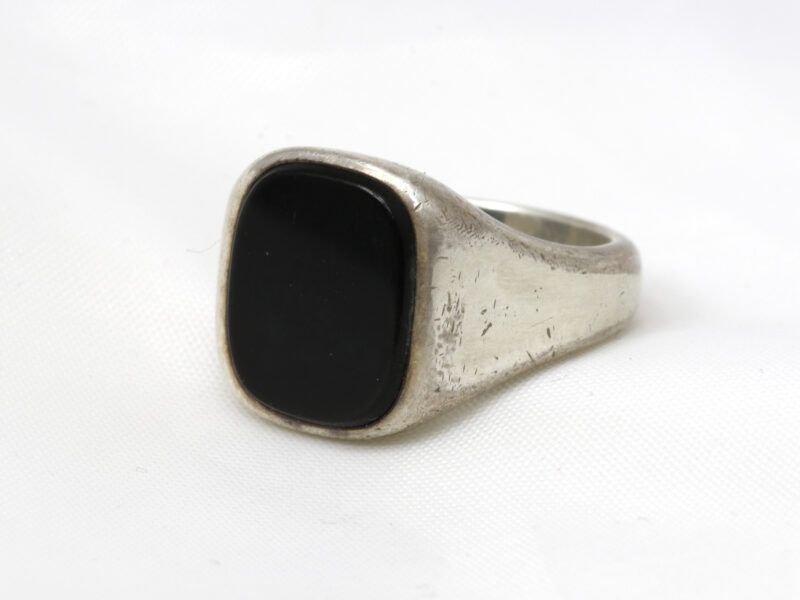
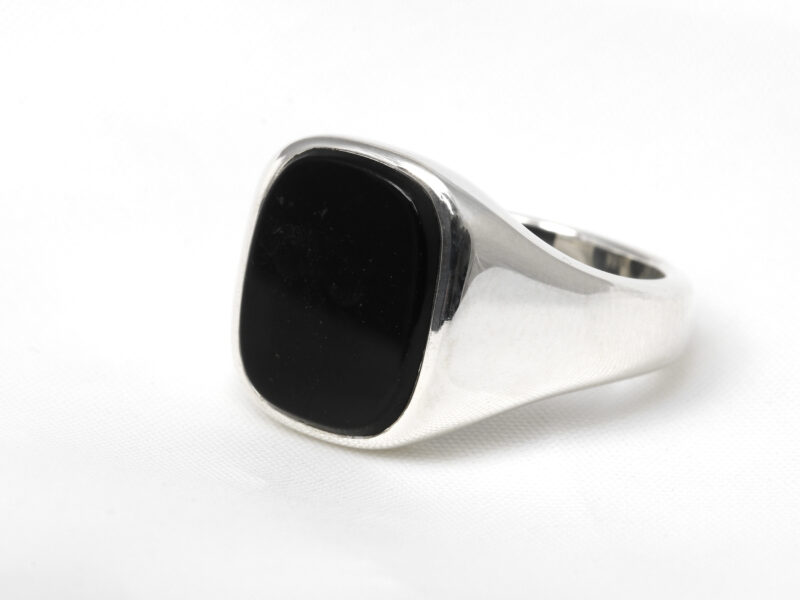
Silver and onyx ring before and after restoration following damage by bleach exposure
2. Worn Clasps & Loose Figure-of-8 Safety Catches
Why It Happens: Clasps are the hardest-working mechanical parts on any necklace or bracelet. Trigger clasps and bolt rings rely on a tiny internal steel spring to keep them tightly shut and clasps are generally mass-made by machines. With constant daily opening and closing, alongside exposure to buildup through water, lotions and soap, this internal spring naturally weakens, loses tension, or corrodes over time.
Similarly, figure-of-8 safety catches—the side clips often found on diamond tennis bracelets or heavy bangles—are made of springy precious metal designed to clip over a small peg. Constant flexing causes the metal to soften, ease up, and lose its grip over time.
Box tongue clasps that click in and out of fastenings also wear down over time. The depth of the roof of the box it snatches into becomes thinner and the tongue clasp flattens with opening and closing frequently so there is reduced friction and resistance to lock in place.
- Lifespan: Most heavily used necklace and bracelet clasps require replacement roughly every 2 years to ensure your jewellery stays safely fastened.
- The Repair: Replacing worn bolt rings or lobster/trigger clasps is a quick, straightforward bench fix. Softened figure-of-8 catches don’t always need replacing if the hinge is still in tact; a goldsmith can easily adjust and put back the tension in the metal so it snaps firmly back into place. Box tongue clasps will need more work building up the inside of the box with lasering and opening the tongue clasp more so it catches and locks into place.
- Prevention: Never force a stiff clasp but do keep a check on your clasps generally. When fastening a figure-of-8 catch or box tongue clasp, make sure you hear or feel a distinct “click.” If it slides on without resistance, bring it in for a quick adjustment before wearing your jewellery. Have your jewellery professionally cleaned annually to reduce build up inside clasps and to ensure they close with a solid ‘snap’.
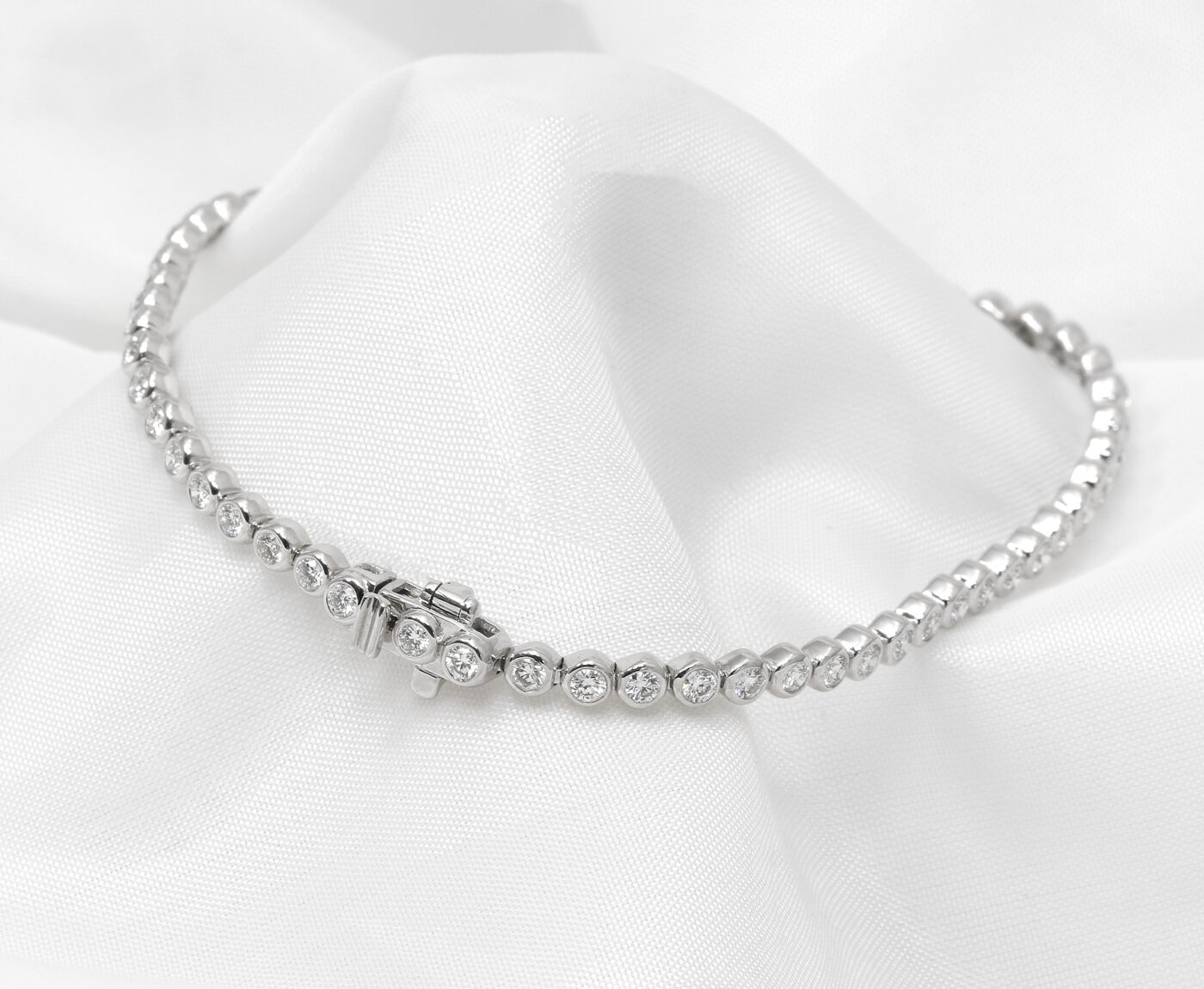
Rub Over Set Laboratory Created Line Bracelet in 9ct White Gold with Box Tongue Clasp and Safety Catch
3. Gemstone Damage: Chipped Stones, Lost Gems, and Abraded Facets
Why It Happens: People often assume gemstones are indestructible. While diamonds are the hardest natural material on Earth, they can still chip or break along their crystal cleavage planes if struck at the wrong angle, against a granite worktop or steel fixtures or dumbbells etc.
Furthermore, softer coloured gemstones like sapphires, emeralds, tanzanites, and opals wear against hard surfaces over years and become rounded or can also crack.
- Abraded Facets: As the sharp top facet edges (the crisp lines on the surface of the stone) wear down and smooth out from friction, light no longer bounces off the stone correctly. The gem loses its brilliance, reflection, and fire, ending up with a dull, matte appearance.
- Lost Stones: When a claw thins out or snaps or if a stone has a large chip or piece missing, the stone inside begins to wobble. Unnoticed, slight movement quickly leads to the gem falling out of its setting entirely.
- The Repair: If a stone is lost or severely damaged, we will source a matching replacement gem in colour, cut, and clarity before resetting it. For worn or abraded family heirlooms, we can sometimes have the stone un-set and professionally re-faceted or polished by a lapidary to restore its original sparkle. This however, reduces the carat weight and makes the stone smaller for the setting which will result in the setting also needing altering. This is expensive generally and might not be a viable option for all rings.
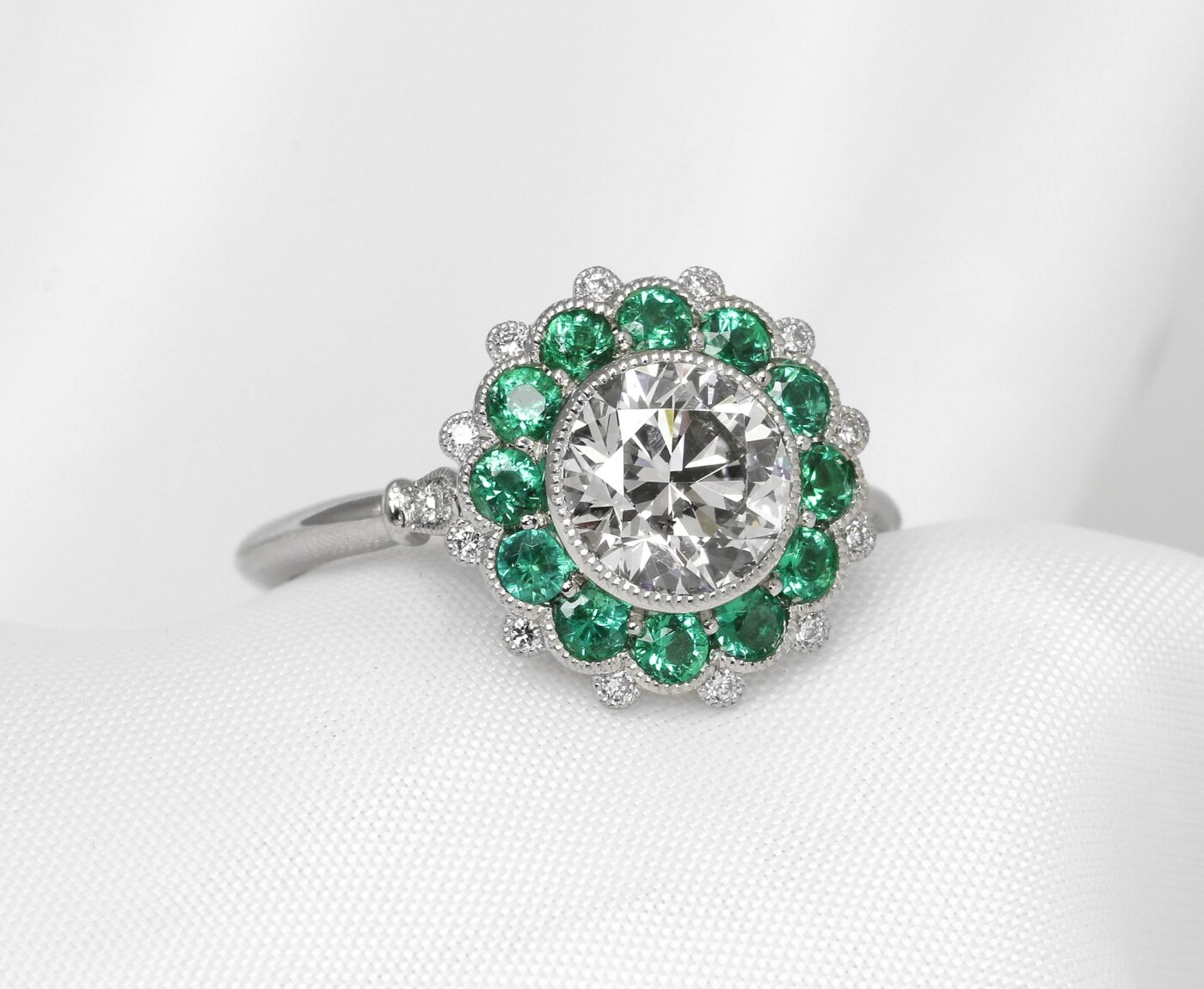
- Prevention: Always remove rings and jewellery before high-impact activities like gardening, weightlifting, or DIY. Never store diamond rings loosely alongside softer gemstone pieces where they can scratch each other. Let us inspect your stones during a professional cleaning service which we recommend doing annually.
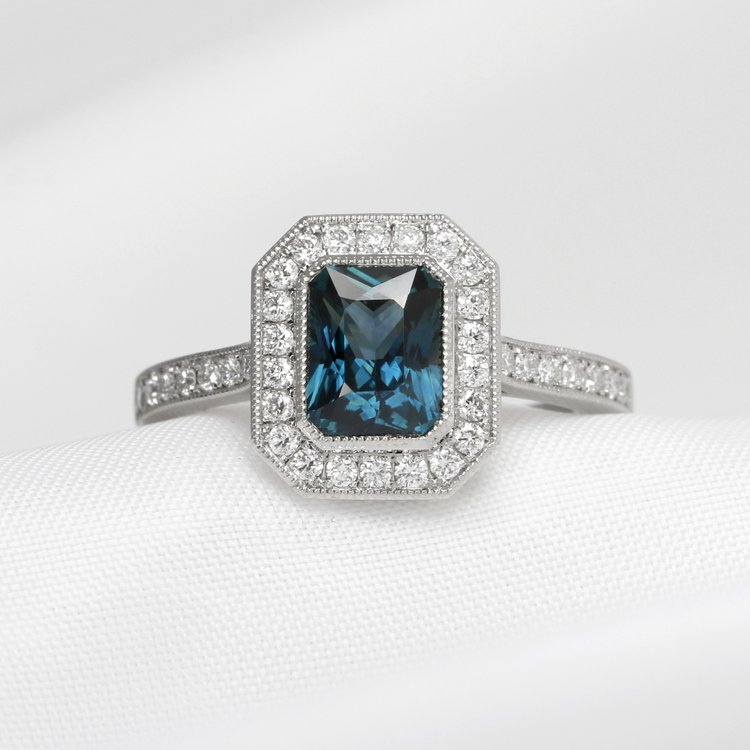
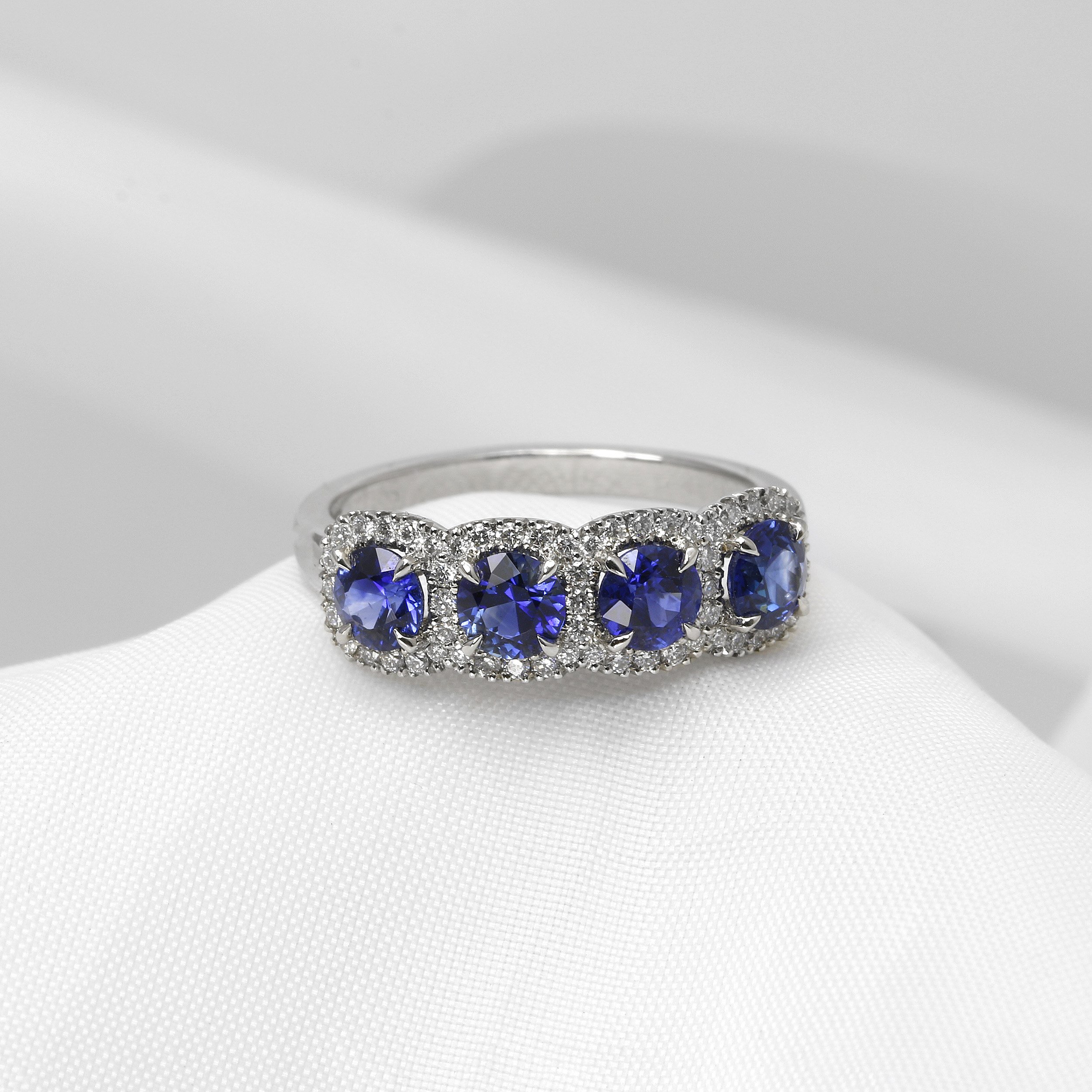
Sapphires are softer than diamonds and often wear down on the top facets. Extra care is needed to keep sapphires looking beautiful.
Discover our Collection of Gemstone Rings
4. Worn & Flattened Claws (Retipping vs. Re-clawing)
Why It Happens: Claws take the brunt of every bump, scrape, and knock your hands experience. Over time, the tips wear flat, thin down, or lift away from the stone edge, putting your gemstones at severe risk of falling out.
- How Often: Claws should be professionally checked under magnification every12 months. We can do this during an annual clean and polish service. Retipping is typically required every 8 to 10 years depending on your lifestyle and frequency it is being worn.
- The Repair: Retipping adds fresh metal to the worn tip (often using precision microscopic laser welding). Re-clawing removes and rebuilds the entire claw from the base up if it has sheared off or cracked. Diamonds can be retipped but coloured gems must always have new claws and must also be unset from their mounts during the process as they cannot be exposed to heat from our flame torches on the workbenches.
- Prevention: If a ring starts catching on hair, snagging on woollen jumpers, or pulling threads on your clothes, these are signs the claws need retipping. We advise bringing it in as soon as possible for inspection.
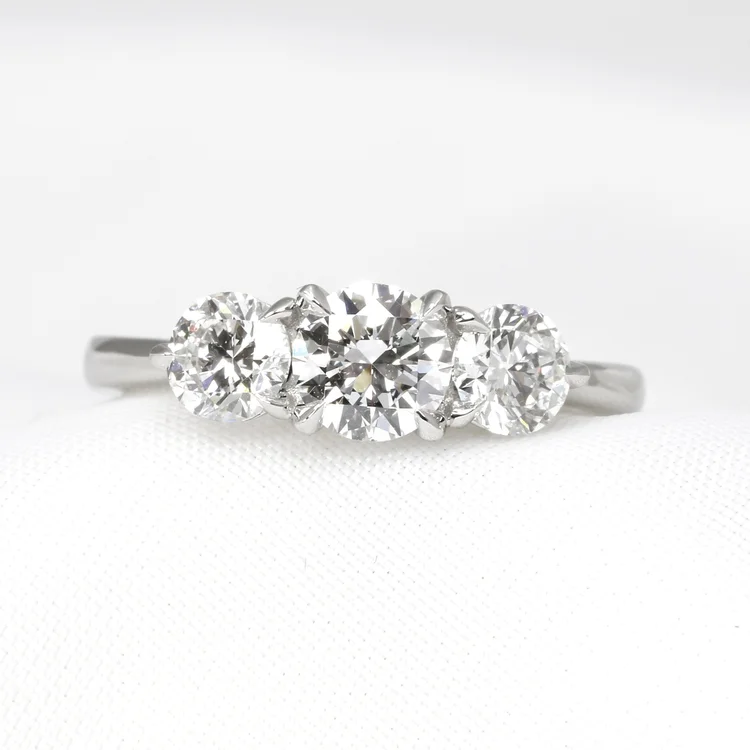
Three Stone Diamond Ring In Platinum Claw Set.
5. Snapped Chains & Thinning Jump Rings
Why It Happens: Necklaces and bracelets are under constant motion. Metal friction slowly grinds down the tiny jump rings connecting the chain to the clasp. Pendants have a swinging pendulum motion as they glide along the chain which saws down the jump rings and bail over time. Exercising in chains introduces kinks and sleeping in chains will cause links to stretch, they become more oval, thinner and elongated, and eventually snap under tension.
- What to Look For: Visible stretching between links, kinks that won’t lay flat, or an end-ring that looks like a thin wire rather than a sturdy loop. Periodically measure your chain with a tape measure to see how much it is stretching and being pulled. Chains are always sold in even number and in inches eg. 16”, 18”, 20”, 22” etc. if you are between these this is a clue your chain has stretched.
- The Repair: Goldsmiths use micro-soldering or laser welding to repair broken links without leaving bulky join marks.
- Prevention: Take off chains before bed, sports, or swimming. Ensure the weight of any pendant matches the strength of the chain—hanging a heavy locket on a fine trace chain will stretch it to breaking point. Once a chain breaks, even after being repaired, it is left weaker and often when a chain starts to break it is likely it will happen in other places more frequently which is a sign to replace the chain entirely.
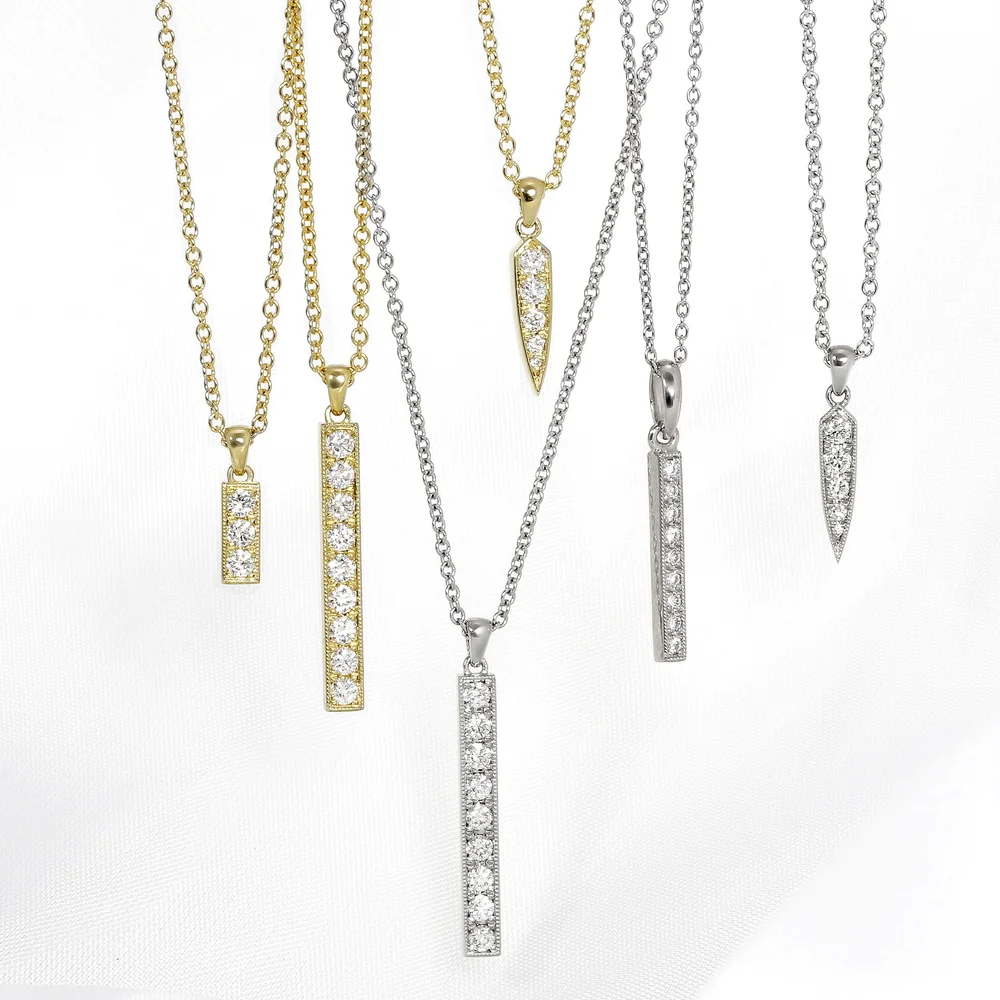
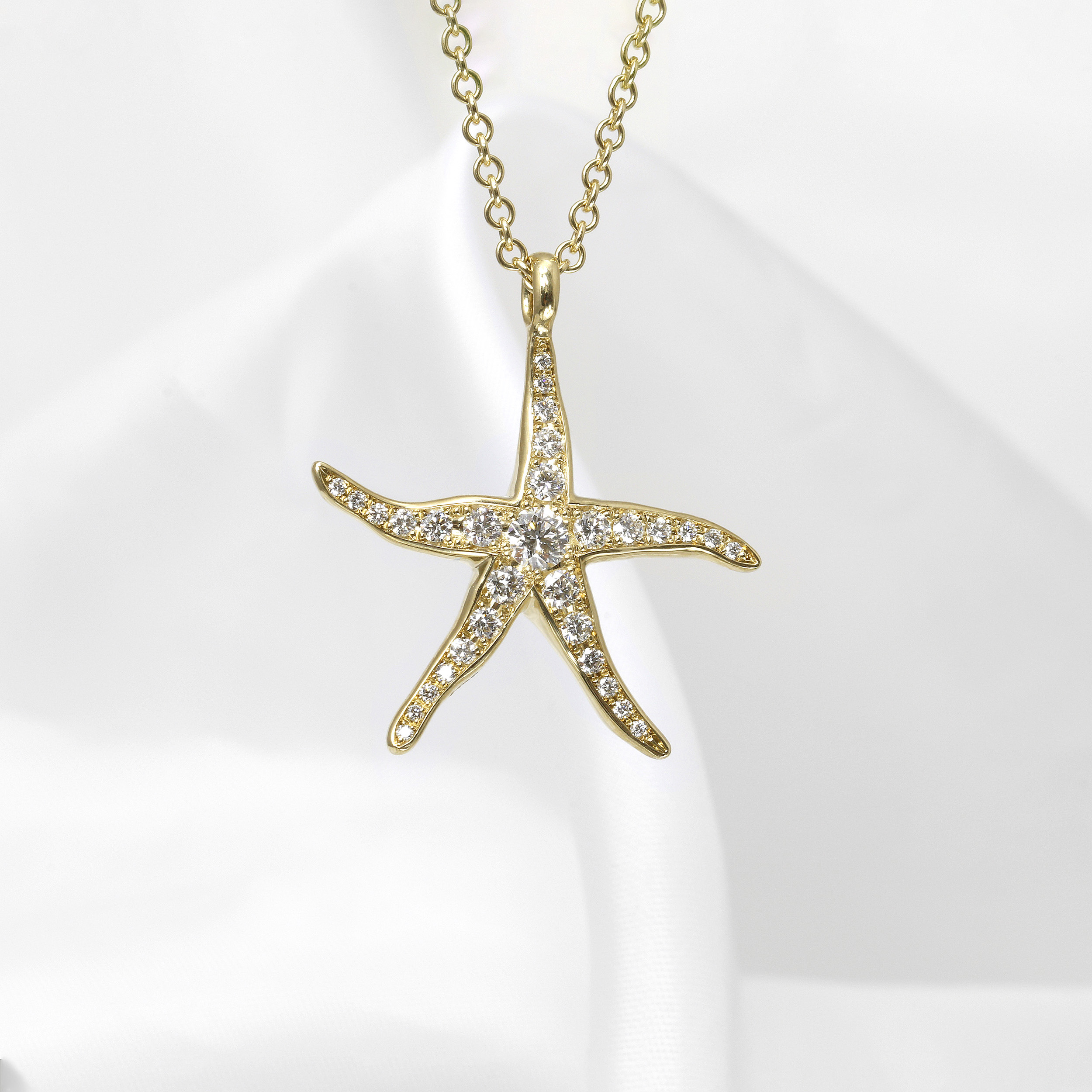
Grain Set Diamond Pendants in Yellow & White Gold on Trace Chains
6. Broken or Bent Earring Posts & Backs
Why It Happens: Earring posts are thin metal pins subject to lateral pressure every time you sleep in them, put on a hat or scarf, or pull a tight top over your head. Over time, bending the post back and forth tires the joint, causing it to snap at the base.
- The Repair: We can laser-weld a strong new post onto the earring base and replace or tighten loose scroll backs so they grip tightly again.
- Prevention: Always remove stud earrings before sleep or high-contact activities. Never force a bent post back into place yourself, as cold-bending weakens the solder joint. Put jewellery on last once dressed and remove your jewellery first before undressing to avoid catching on clothing.
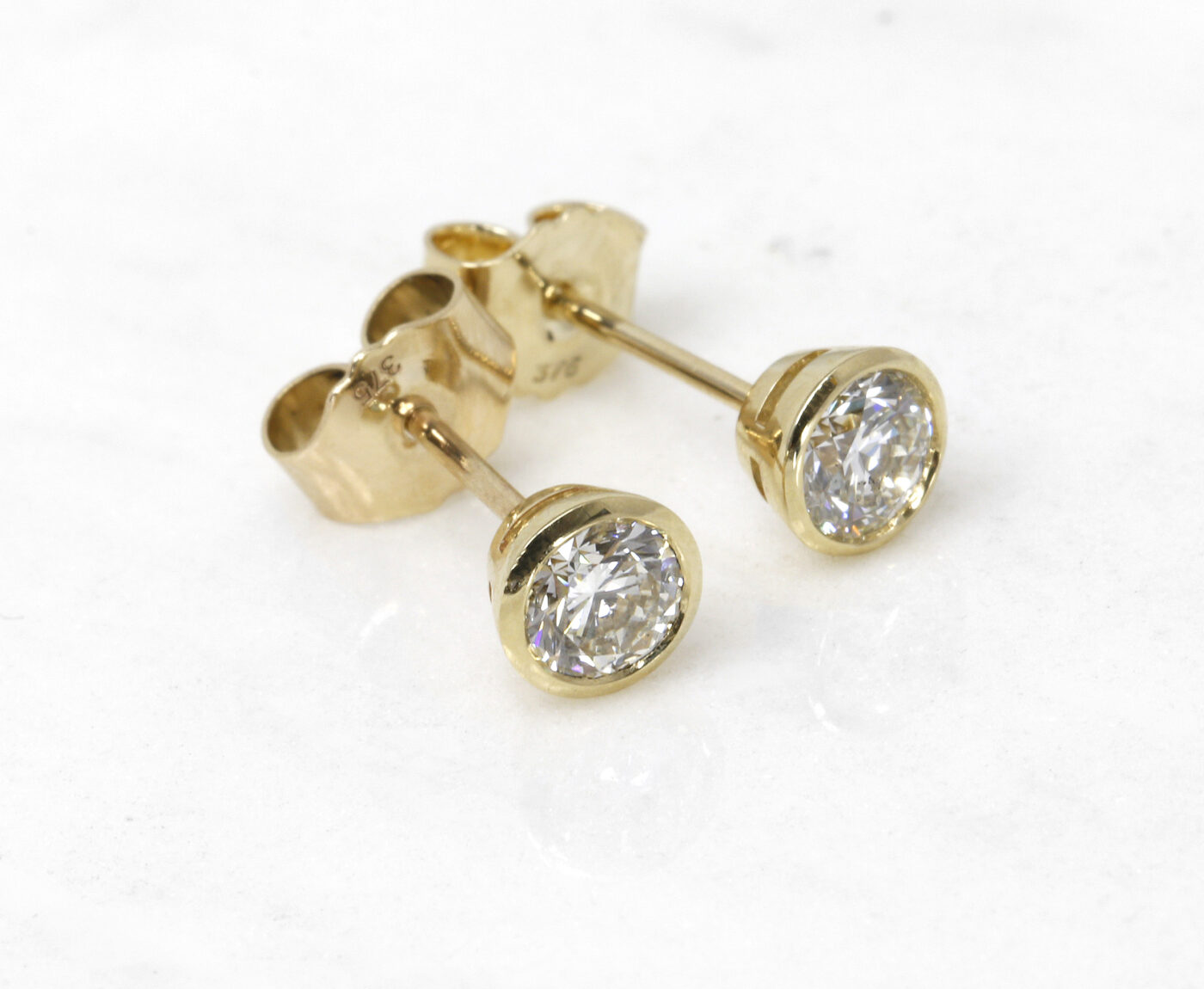
0.80ct Diamond Solitaire Stud Earrings in Yellow Gold
7. Pearl Care: Re-gluing Peg Settings & Restringing
Why It Happens: Unlike faceted gemstones held by metal claws, pearls are organic and require unique mounting techniques.
- Loose Pearl Pegs: Pearl studs, drop earrings, and pearl rings are typically secured by mounting the pearl onto a threaded metal post using specialised jewellers’ epoxy. Over time, hot water, soap, hairspray, and body oils break down the adhesive, causing the pearl to spin on its post or fall off entirely.
- Stretched Threads: Pearl necklaces and bracelets are bound using natural silk or specialised nylon thread. Exposure to moisture, lotions and tension causes the thread to stretch, fray, and discolour over time.
- The Repair: For peg-mounted pearls, goldsmiths carefully clean away all old, degraded adhesive, prepare the metal post, and re-bond the pearl using high-strength professional adhesive which needs to set for 48hrs. For strands, restringing involves un-threading the pearls, cleaning them, and reattaching them to new cord. If they are individually knotted this will prevent losing multiple pearls if the string should break in the future.
- Prevention: Follow the Golden Rule: “Pearls should be the last thing you put on in the morning and the first thing you take off at night.” Never submerge glued pearl jewellery in hot water or ultrasonic cleaners and avoid exposure to hairsprays, shower gels and perfumes.
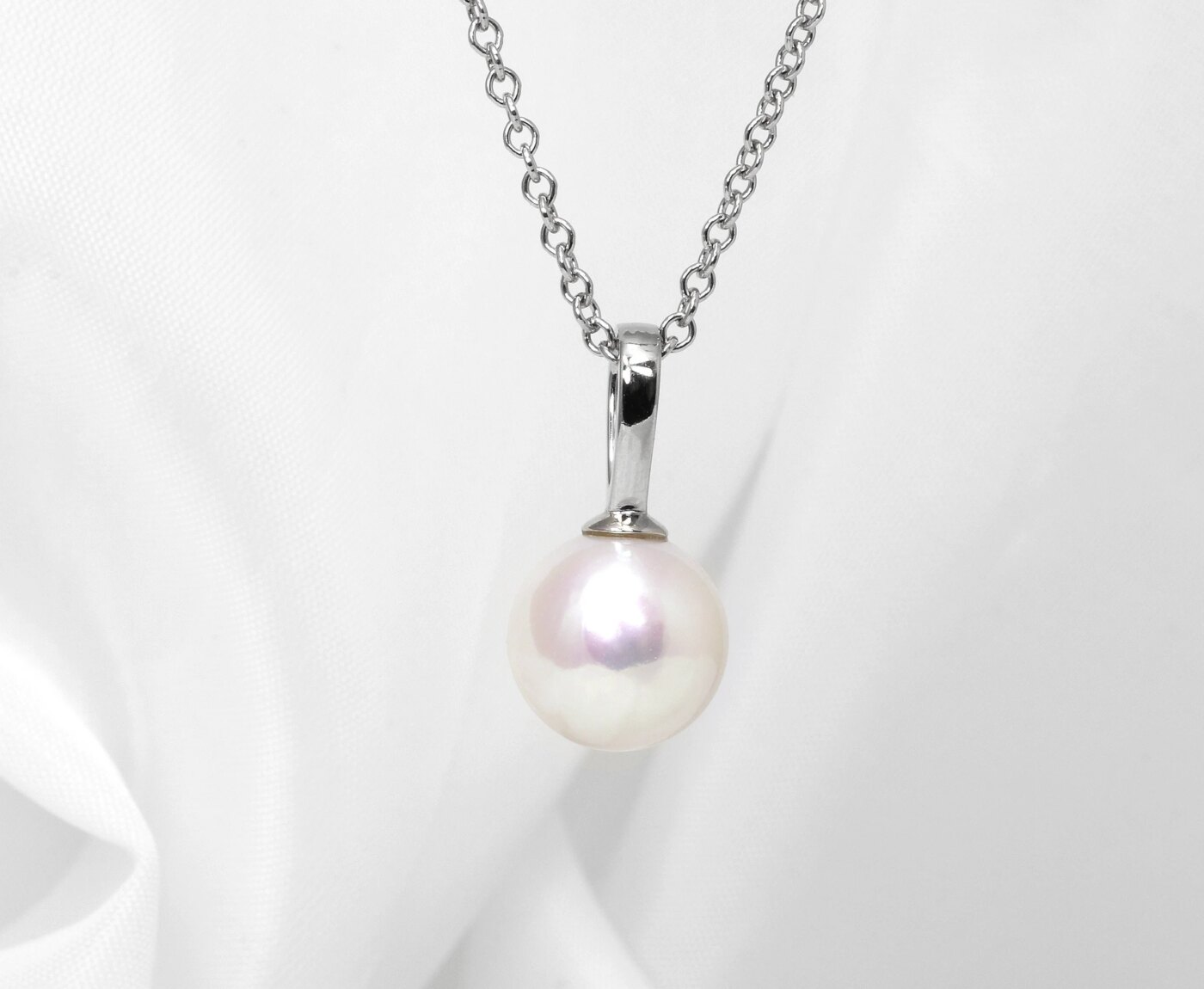
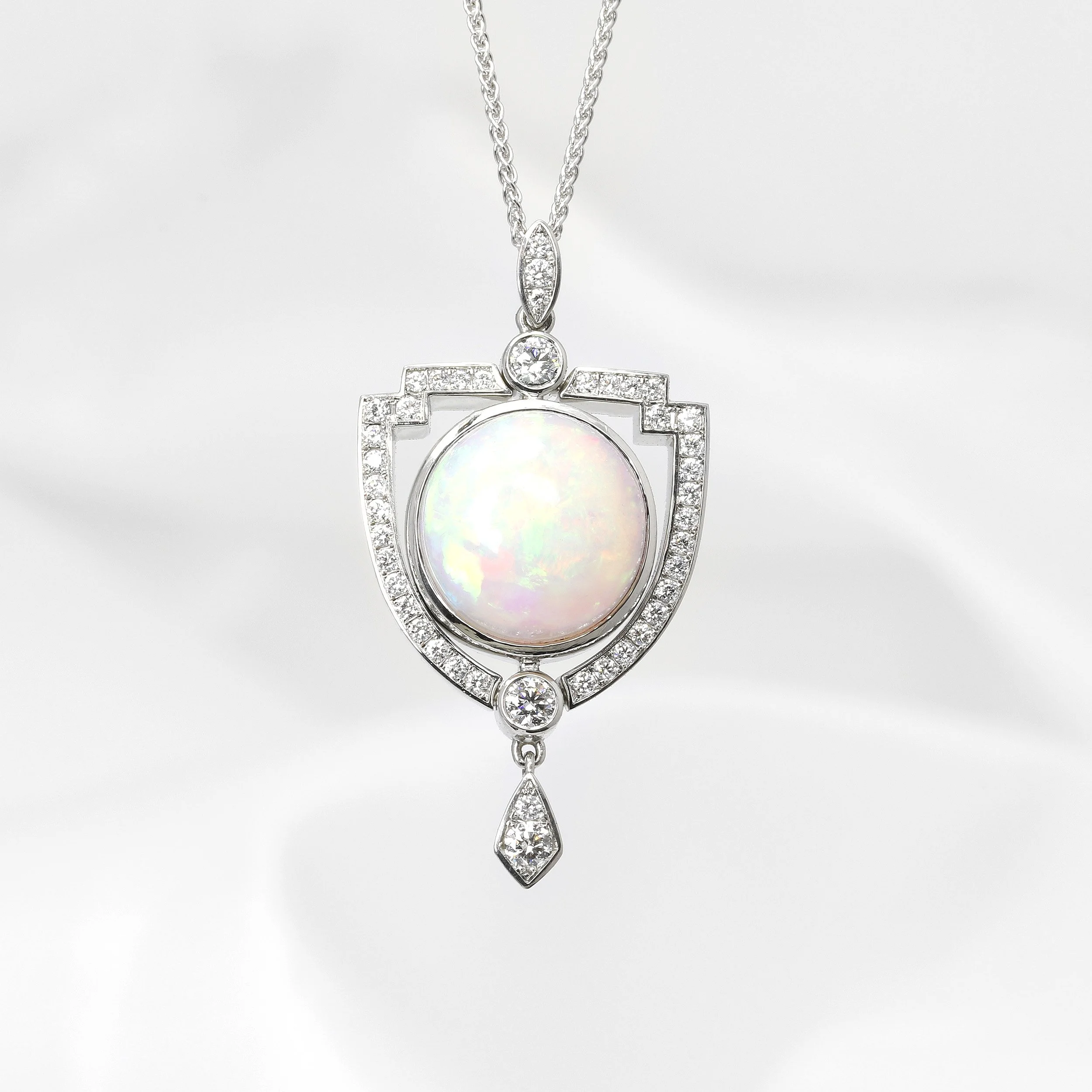
Cultured Freshwater Pearl Pendant in 9ct White Gold
Quick-Reference Maintenance Checklist
- Schedule an Annual “MOT”: Bring the jewellery you wear regularly in once a year for a loupe check, setting tighten, and safety inspection. Let us do a professional clean and polish to keep it looking like new and in good condition.
- Retipp claws around 8-10 years: Ensure your gemstones and diamonds are safe and held securely in place.
- Perform the “Tap Test”: Hold your ring close to your ear and tap the side. If you hear a high-pitched rattle, a stone might be loose inside its setting. Be careful not to tap the stones though!
- Check White Gold Finish: Have white gold pieces cleaned and re-plated with rhodium every 12 to 24 months to restore their mirror-like white lustre.
- Keep Away from Chemicals: Never wear jewellery in swimming pools or hot tubs—chlorine degrades gold alloys and turns solder joints brittle over time. Remove jewellery for household cleaning chores.
- Periodically check clasps and links in chains: Look for signs of wear and stretching on bracelets and necklaces.
- Apply Cosmetics First: Spray perfume and apply lotions and let these sink into your skin before putting on rings, earrings, and necklaces.
Fine Jewellery Is an Heirloom Worth Servicing
Just like servicing a fine watch or taking your car in for its routine maintenance, giving your jewellery small bits of care along the way prevents major issues like losing an irreplaceable diamond, dulling a prized sapphire, or snapping a sentimental chain. If your favourite ring feels thin, a stone looks dull, or your claws are snagging on clothing, pop by and let us take a look.
Schedule your free consultation here
Related Posts