Is Your Jewellery Fast Fashion? | A Guide to Sustainable Fine Jewellery
Over the last decade we’ve all become far more conscious about the choices we make. Many of us now actively look for Fairtrade products, recycle more carefully, carry reusable shopping bags and water bottles, sell their possessions on second hand websites and think twice before making unnecessary purchases. Natural fibres such as cotton, wool and linen have become popular again as people move away from disposable fashion, while consumers are increasingly choosing quality over quantity.
The rise of the “buy less, buy better” movement has encouraged many shoppers to move away from impulse purchases and invest in items that will last for years rather than months.
But have you ever stopped to think whether your jewellery follows the same principles?
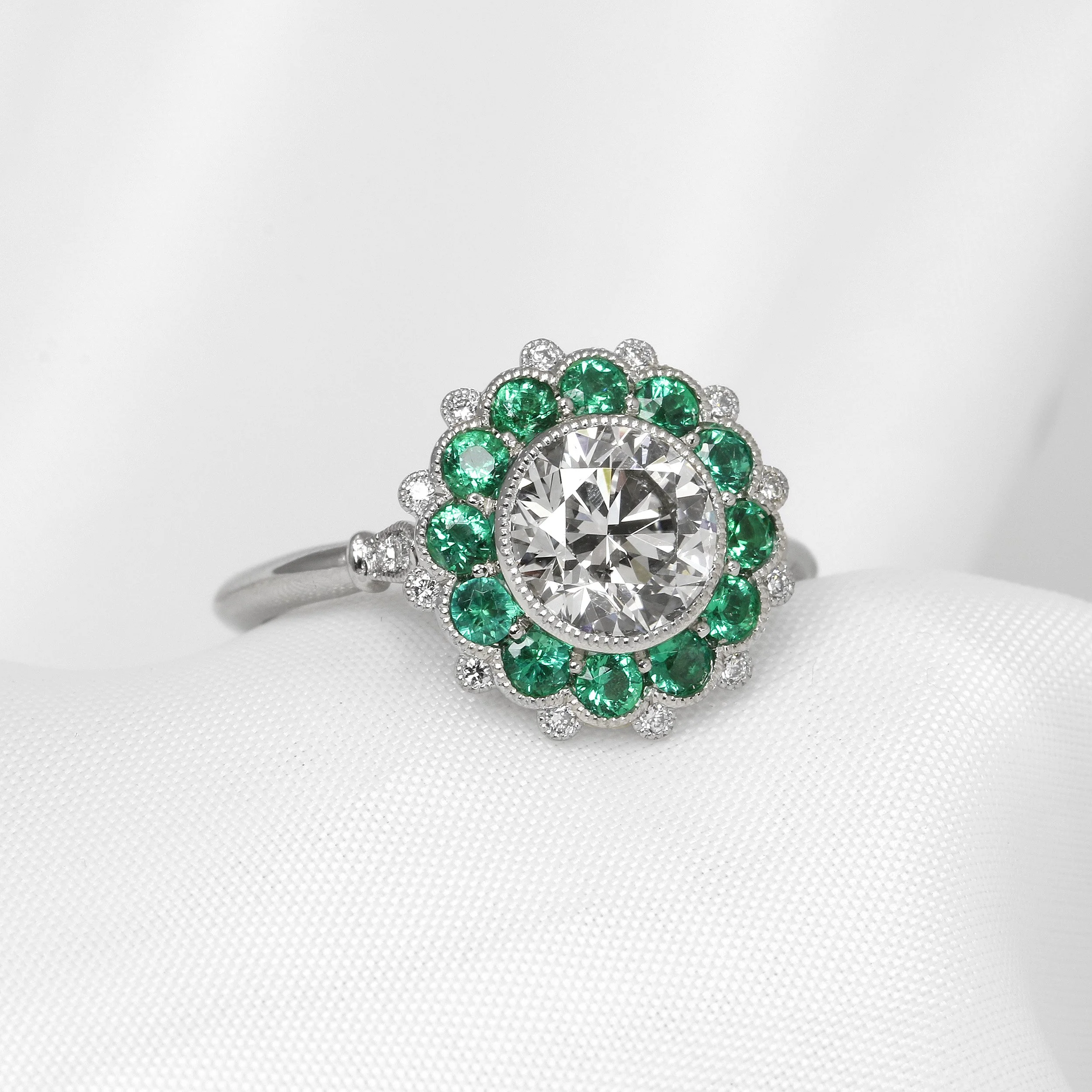
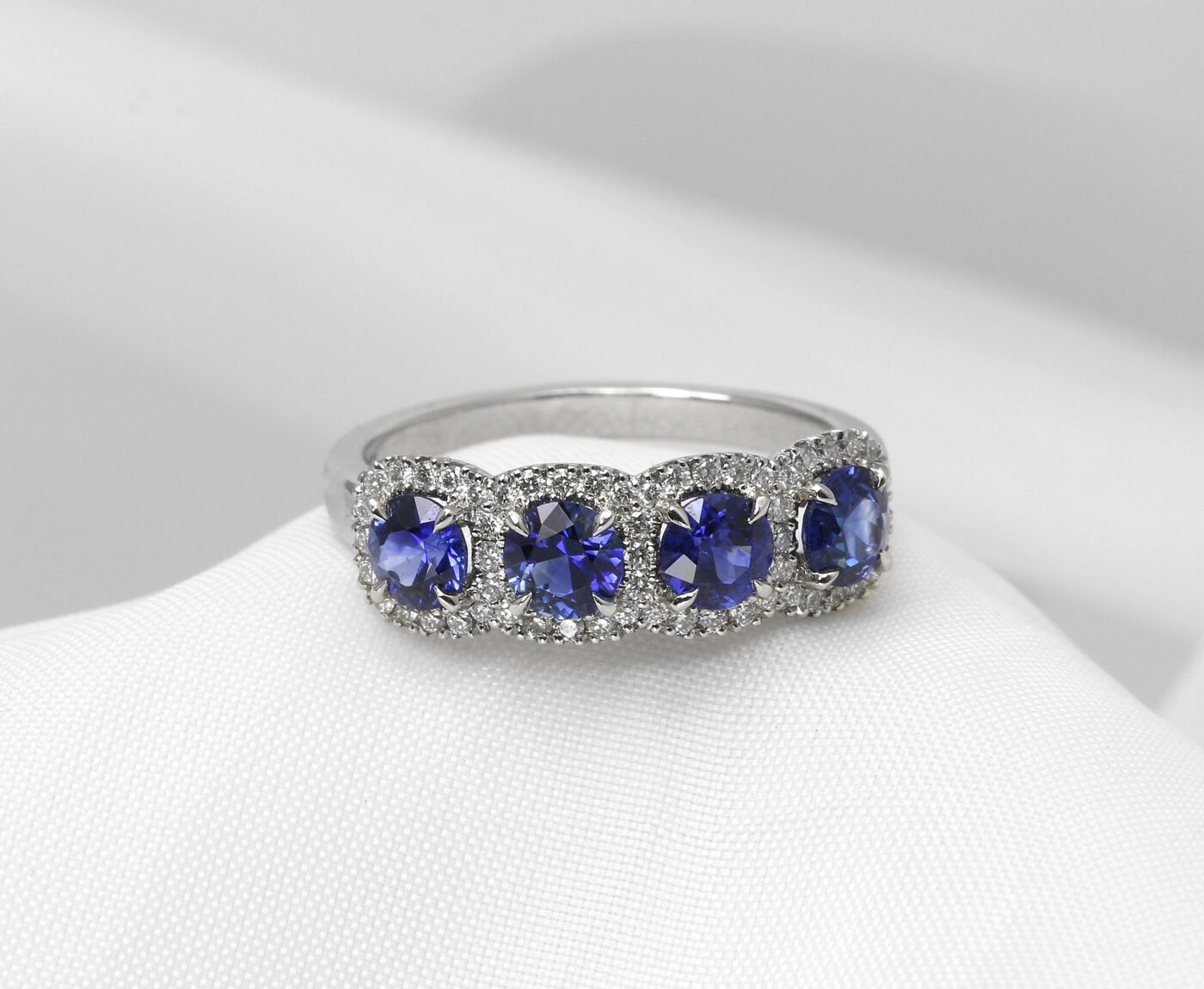
Multi-Halo Sapphire and Diamond Ring in Platinum
Jewellery Can Be Fast Fashion Too
Fast fashion isn’t limited to clothing. Jewellery has become one of the largest disposable accessory markets in the world, with thousands of inexpensive pieces available on the high street and through online marketplaces every day.
Whether it’s a pair of earrings added to your basket while buying clothes, a colourful ring bought for a holiday outfit, or an inexpensive necklace purchased online, many of these pieces are designed to be worn for a short period before being replaced.
Unlike fine jewellery, these accessories are often manufactured using inexpensive base metals combined with glass, synthetic stones or cubic zirconia. Their purpose is to follow seasonal trends rather than become treasured possessions.
The question is not simply how much did it cost? but rather how long is it expected to last?
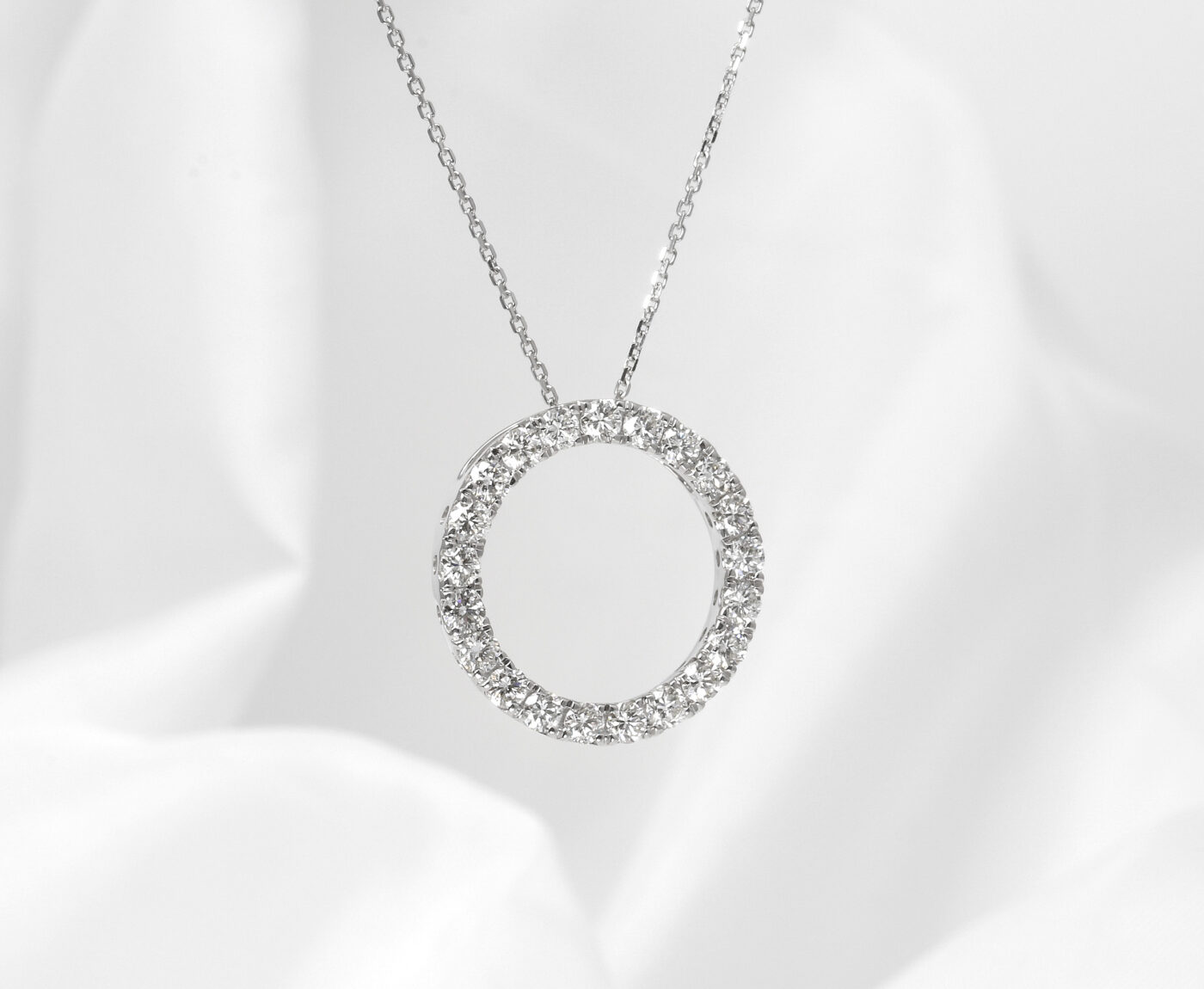
Laboratory Created Diamond Circle of Life Pendant
Do You Know Who Made Your Jewellery?
When buying jewellery, most people naturally focus on how it looks. Very few stop to ask:
- Who actually made this piece?
- What materials have been used?
- Where have those materials come from?
- Can it be repaired one day?
- Can it be recycled if it breaks?
These are questions we’re beginning to ask about our food, clothing and furniture, yet jewellery is often overlooked.
Many fashion accessories are manufactured in large factories using mixed industrial alloys. These materials are inexpensive to produce but can present challenges once the jewellery reaches the end of its life.
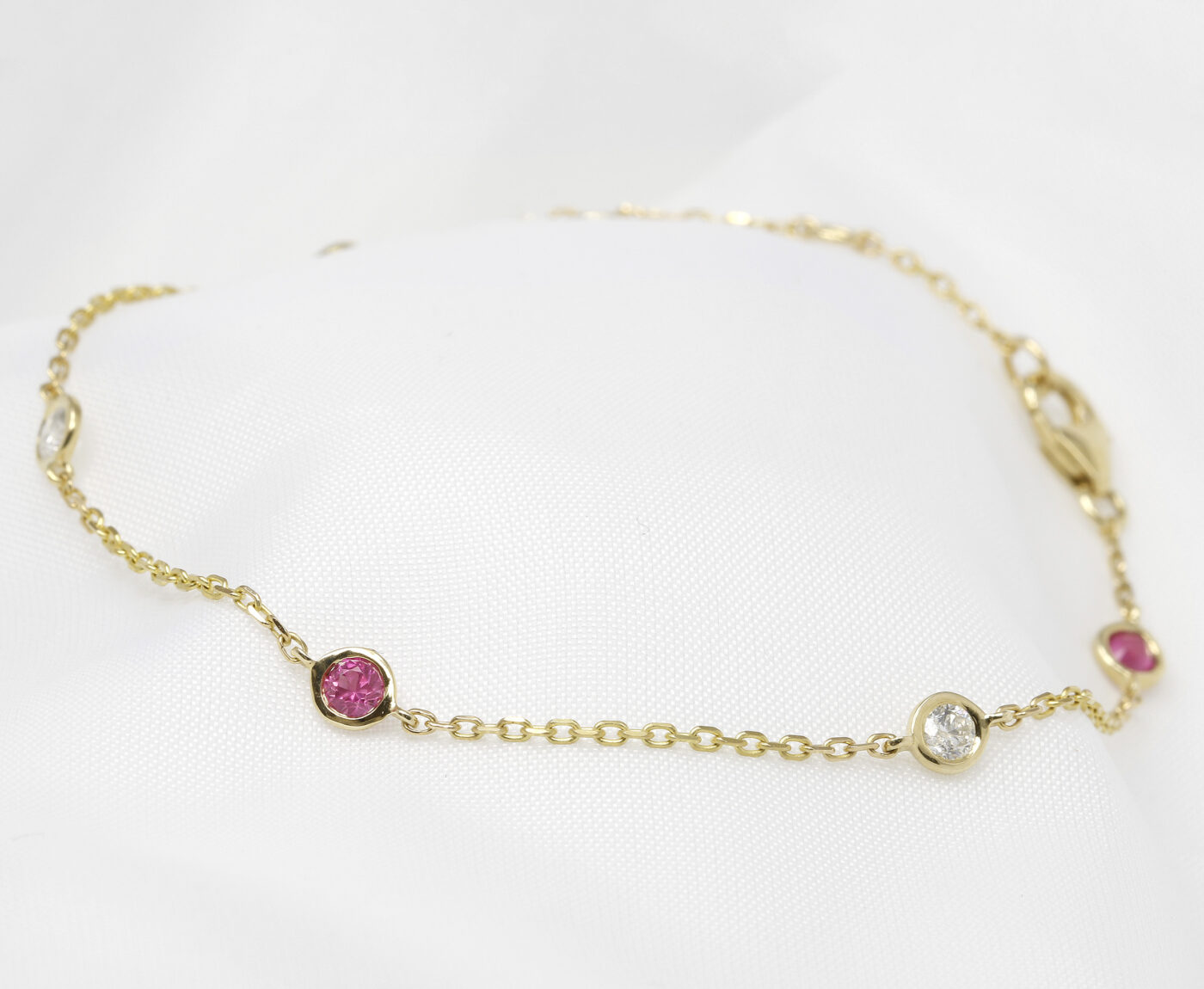
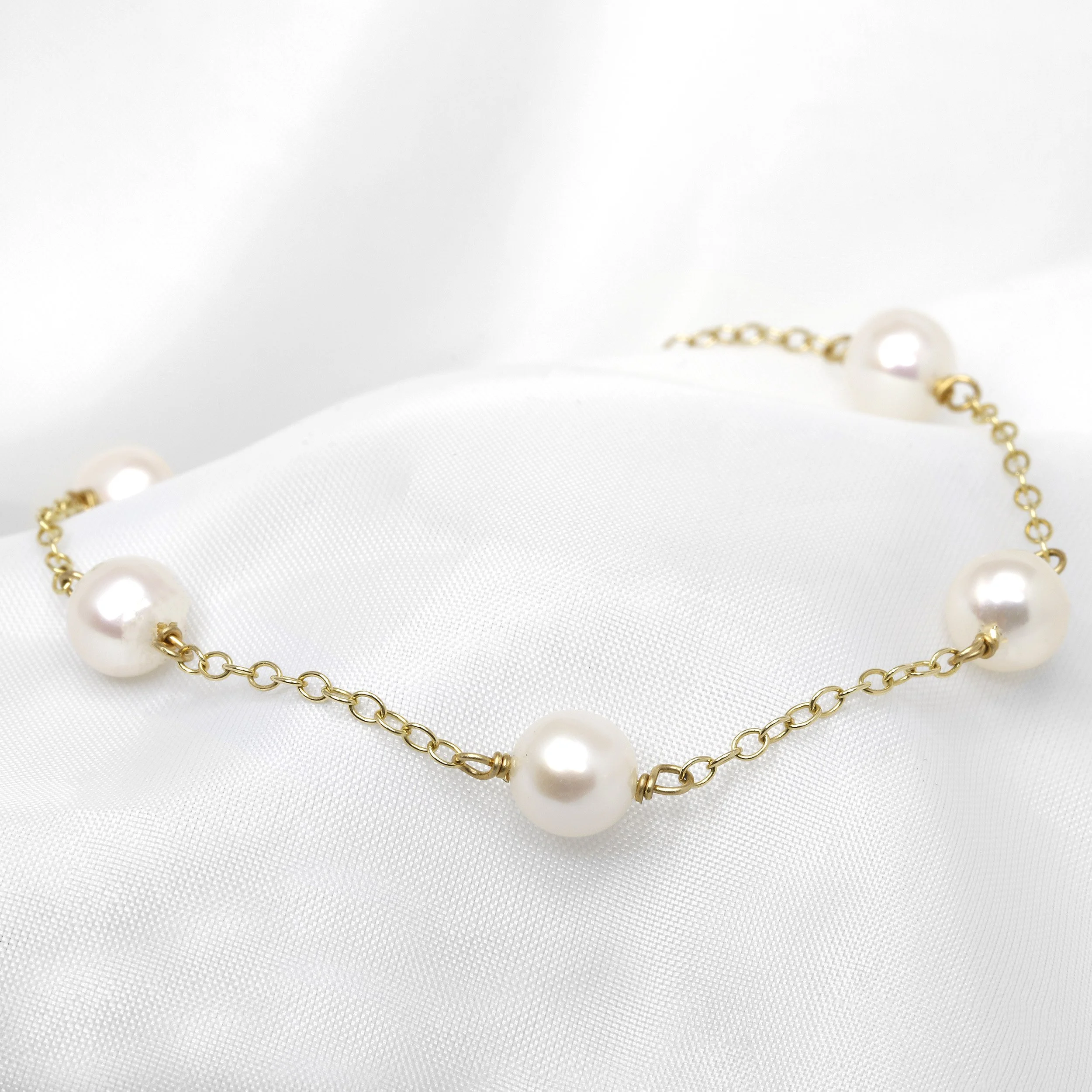
Pink Sapphire and Diamond Station Bracelet in Yellow Gold
Why Disposable Jewellery Isn’t Always Sustainable
One of the greatest strengths of precious jewellery is that it is rarely wasted.
Gold and silver can be melted down and reused repeatedly without losing their quality. In fact, there is hardly any new gold now in the jewellery industry. It is all recycled. Many jewellers don’t have the budget to spend on advertising this fact but ask any jeweller and they will tell you the same. New gold is usually mined for technology and bullion investment products. Family heirlooms are remodelled into modern designs, wedding rings are resized, damaged settings are rebuilt, and gemstones are reset and sometimes even re-faceted into completely new jewellery.
Fine jewellery is designed with longevity in mind.
Fashion jewellery is often very different.
Many inexpensive pieces are made from combinations of plated metals, zinc alloys, brass or other industrial materials. Once these pieces begin to tarnish, corrode or break, they are often impossible to repair because traditional jewellery soldering techniques simply won’t work on many of these metals.
The plating wears away, the metal underneath may become brittle or discoloured, and the entire item is frequently discarded.
Unfortunately, mixed materials can also make recycling difficult, meaning many broken accessories ultimately end up in landfill.
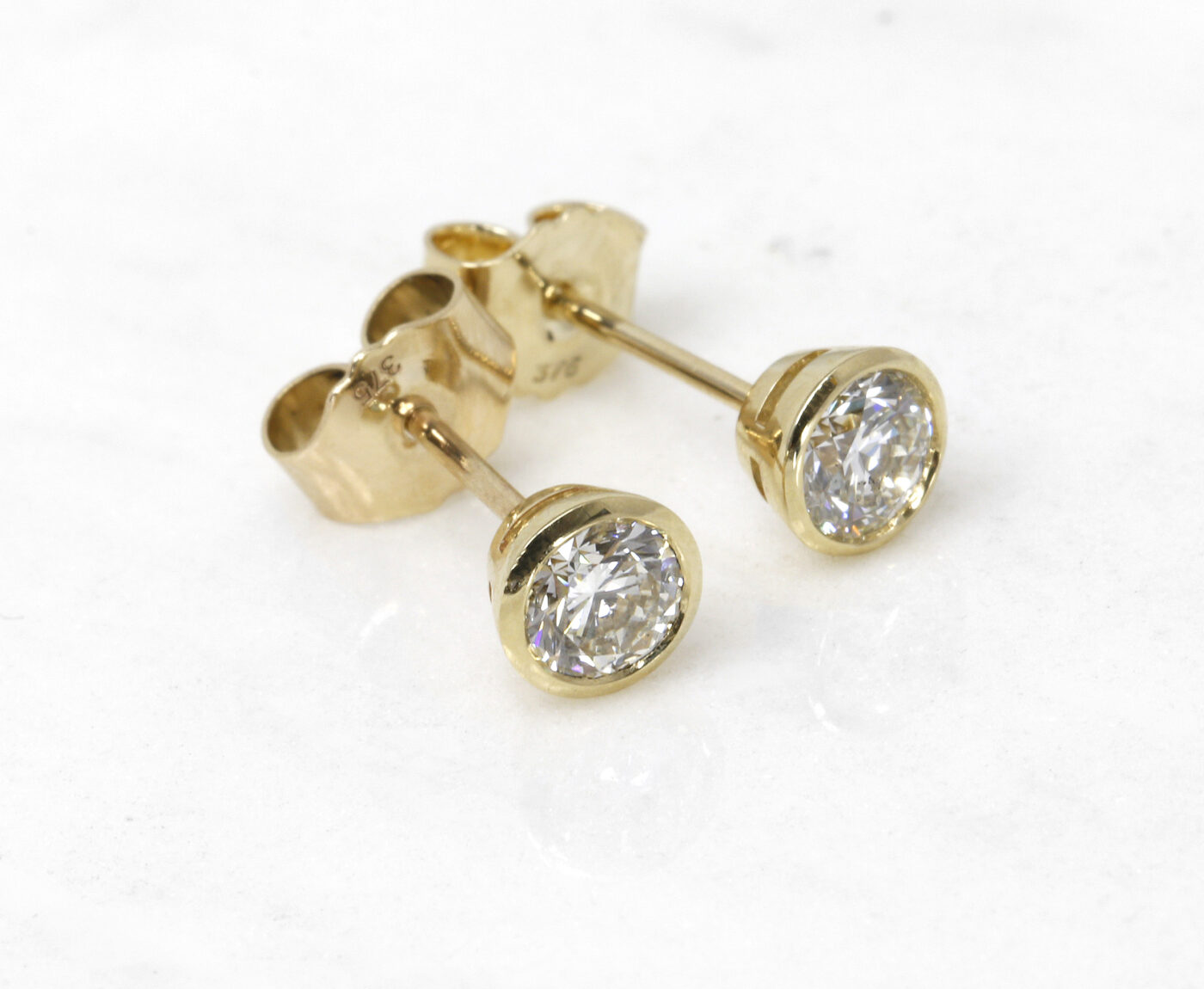
0.80ct Diamond Solitaire Stud Earrings in Yellow Gold
When Cheap Can Become Expensive
Many people have experienced inexpensive jewellery leaving green marks on their skin or causing irritation after only a few wears. This is either copper tarnish or an allergic reaction.
In the UK, regulations strictly limit nickel being used in jewellery because nickel is one of the most common causes of contact allergies. It has been added to the list as an official allergen. However, not every country follows the same manufacturing standards or have the same laws.
Jewellery imported from overseas or purchased through online marketplaces may not always meet UK requirements and do not have the same hallmarking laws, making it important to understand where your jewellery has been manufactured. America, Canada, Europe; these countries still actively use nickel in their white gold jewellery.
There have also been several instances in recent years where UK border authorities have intercepted imported jewellery containing unsafe levels of cadmium—a toxic heavy metal that is not suitable for use in consumer jewellery. Cadmium is known for causing cancer. These cases highlight why knowing where your jewellery comes from matters just as much as how it looks.
https://www.thetimes.com/uk/healthcare/article/jewellery-carcinogen-amazon-tiktok-zrl6tcmxf
https://www.bbc.co.uk/news/articles/c1mnnple2nxo
Choosing a trusted jeweller gives you confidence not only in the craftsmanship but also in the materials being used. Lower prices usually mean lower quality so items break and fall apart more quickly. Solid gold, experienced craftsmanship and higher quality stones result in better quality jewellery that will last.
Buy cheap, buy twice. If something looks too good to be true, it usually is.
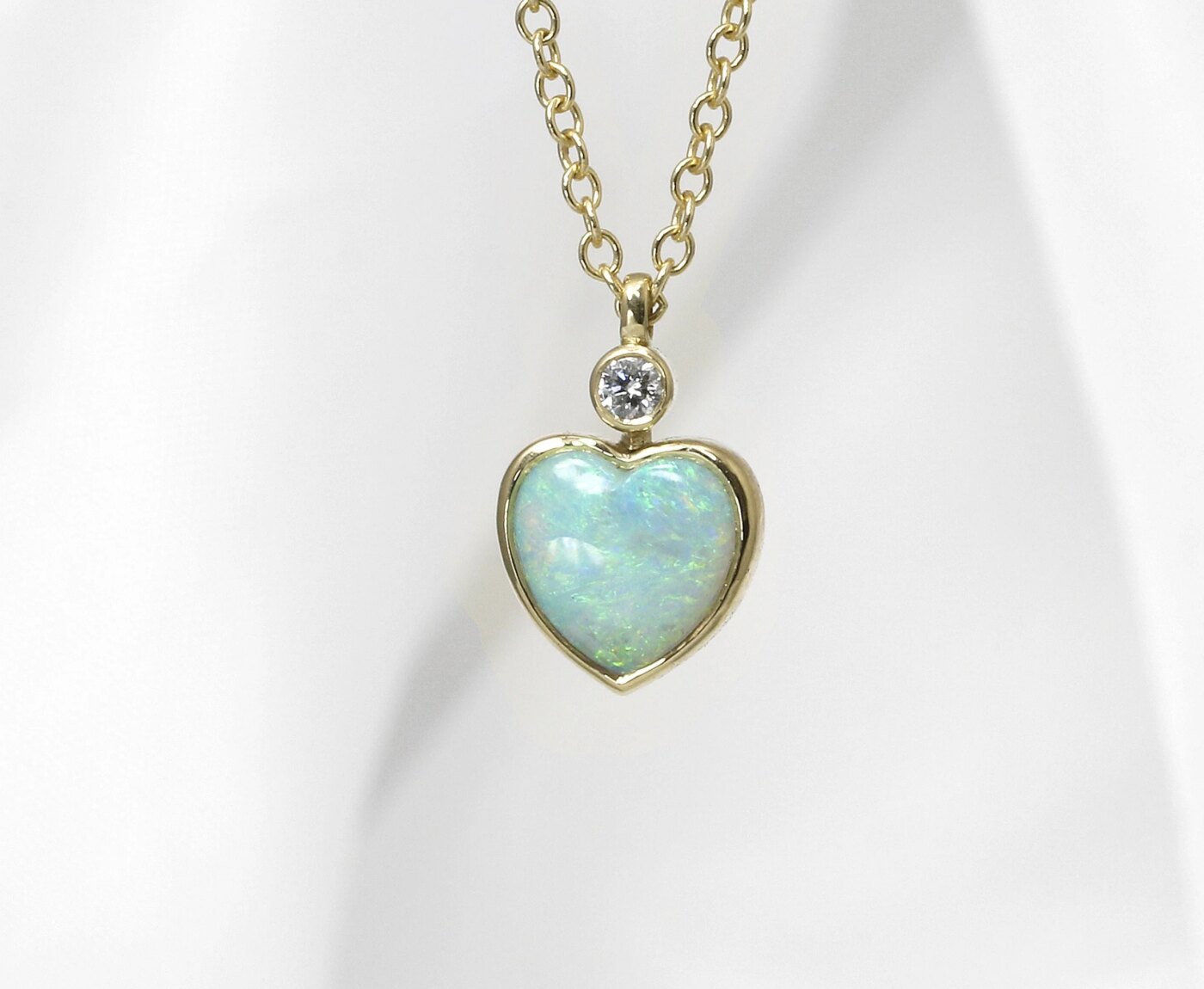
Heart Shaped Opal and Diamond Pendant in Yellow Gold
What About the Gemstones?
Many fashion jewellery pieces use factory-produced stones such as glass, synthetic crystals or cubic zirconia.
These materials certainly have their place and can provide colourful, affordable fashion accessories especially for holiday jewellery abroad. However, they are generally not intended to last a lifetime.
Over time, softer materials can become scratched, lose their polish, develop cloudy surfaces or chip around the edges. Unlike many natural gemstones, they often cannot be re-polished or re-cut once damaged, meaning replacement is usually the only option.
It’s worth remembering that even laboratory-grown or factory-produced stones still require raw materials to be extracted from the ground via mining before manufacturing begins. Producing these materials on an industrial scale also requires significant amounts of energy, while transporting finished products around the world adds further environmental impact.
Every material has its own environmental footprint, which is why longevity should also form part of the sustainability conversation.
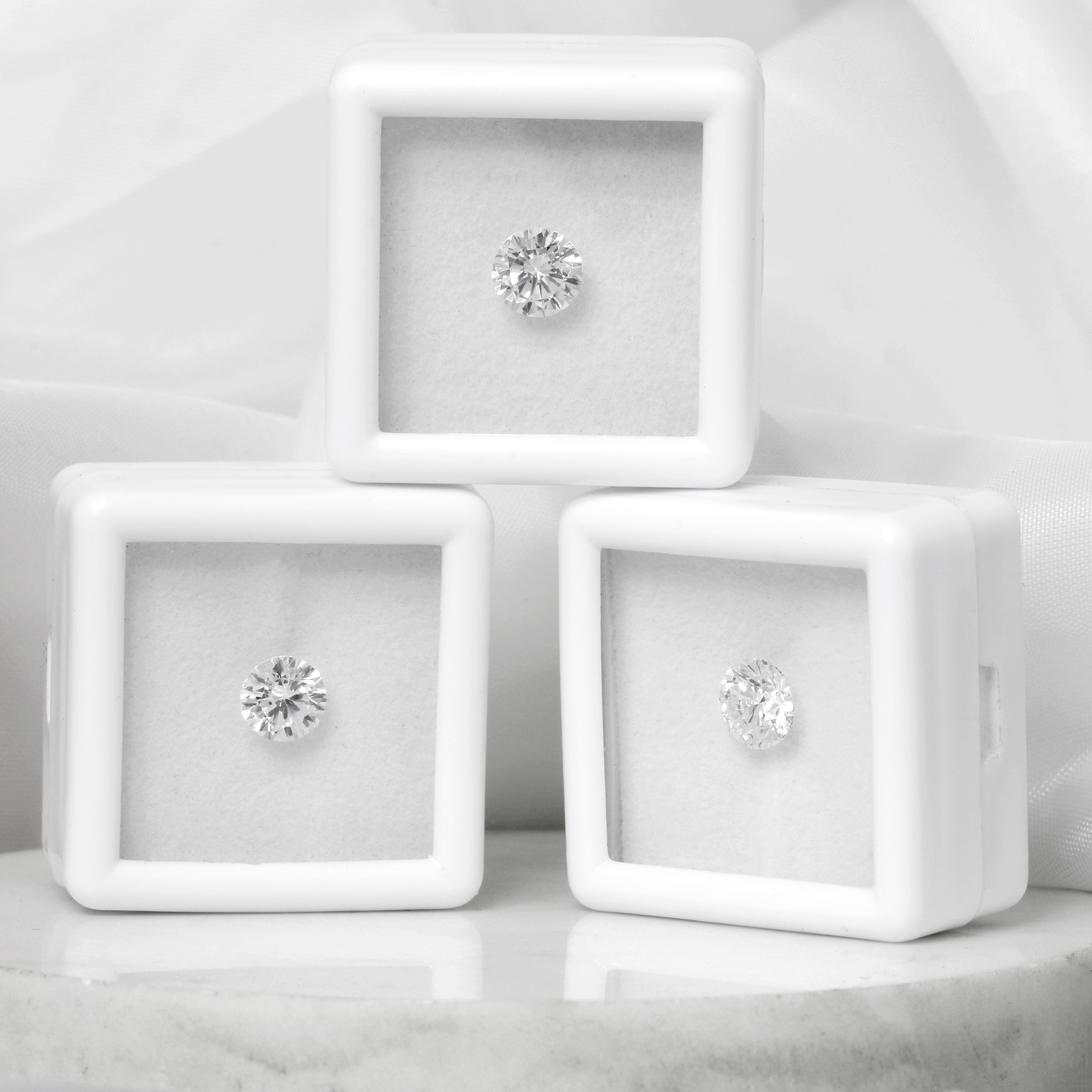
Diamonds can also be recycled and customers can ask about recycled second hand diamonds if you are commissioning bespoke engagement rings. Looking at jewellers who specialise in second hand and/or vintage jewellery could be another way of being more eco-friendly when it comes to purchasing. For those wanting to sell certified diamonds the company “Gems4Less Ltd ” in Hatton Garden offers prices higher than most pawn shops or second hand jewellers. https://www.sellmycertifieddiamond.co.uk/.
Only 20% of the world’s natural and synthetic diamonds are used for jewellery. The rest are used for industrial and technological consumption.
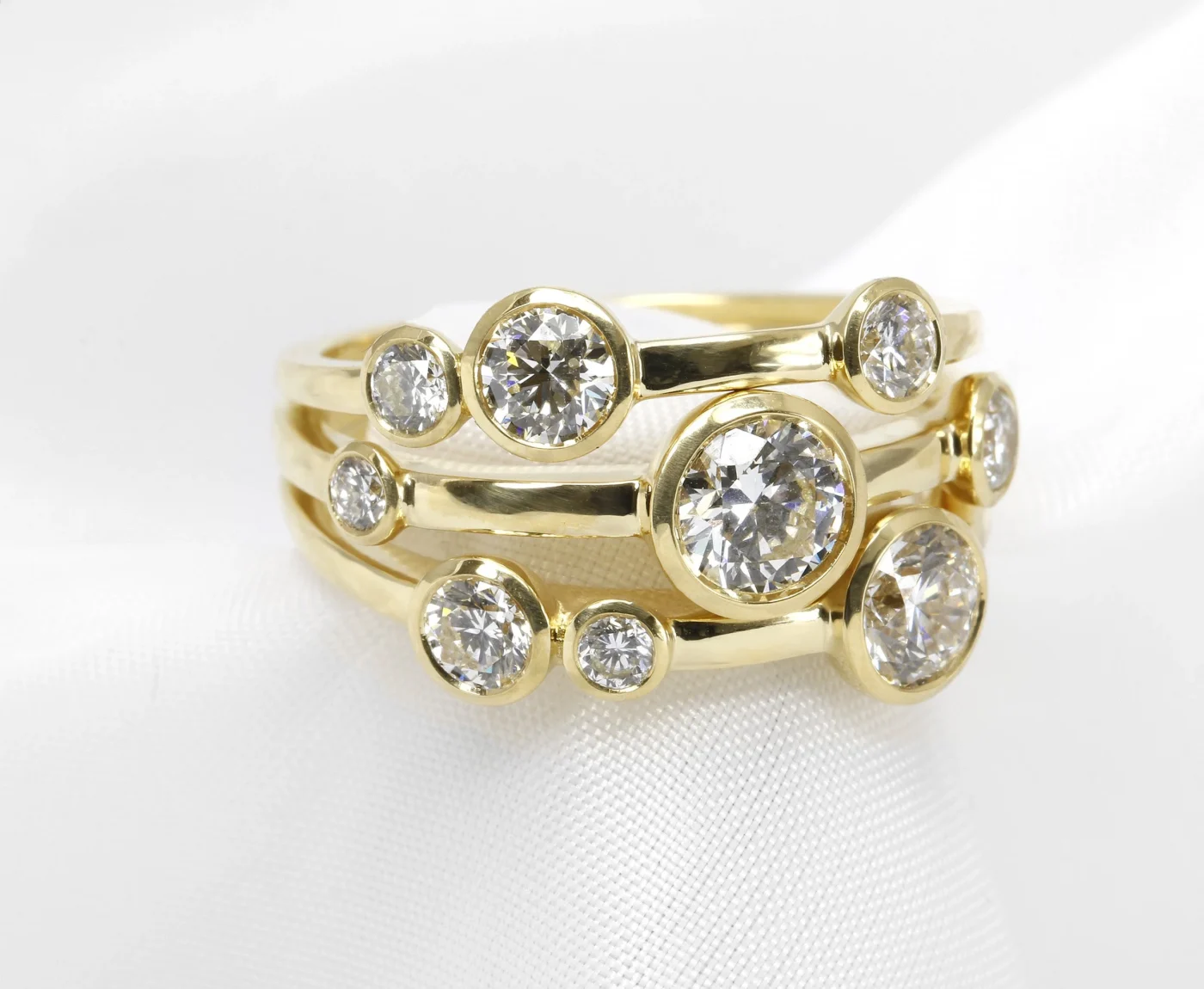
Multi-Band Diamond Ring in Yellow Gold
Supporting Mining Communities
Discussions around mining often focus solely on environmental impact, but there is another important side to the story.
Across many mineral-rich countries, artisanal gemstone mining provides valuable income for remote communities where there may be few alternative employment opportunities.
Many small-scale miners work independently or with their families, mining seasonally around farming or other local trades. Gemstones recovered from these operations are sold to dealers, cutters and lapidaries, helping support local economies and providing income that may otherwise not exist.
Like many industries, responsible sourcing continues to evolve, with increasing emphasis on traceability, ethical practices and supporting mining communities alongside environmental stewardship.
Choosing jewellery from businesses that understand their supply chain helps support these positive initiatives.
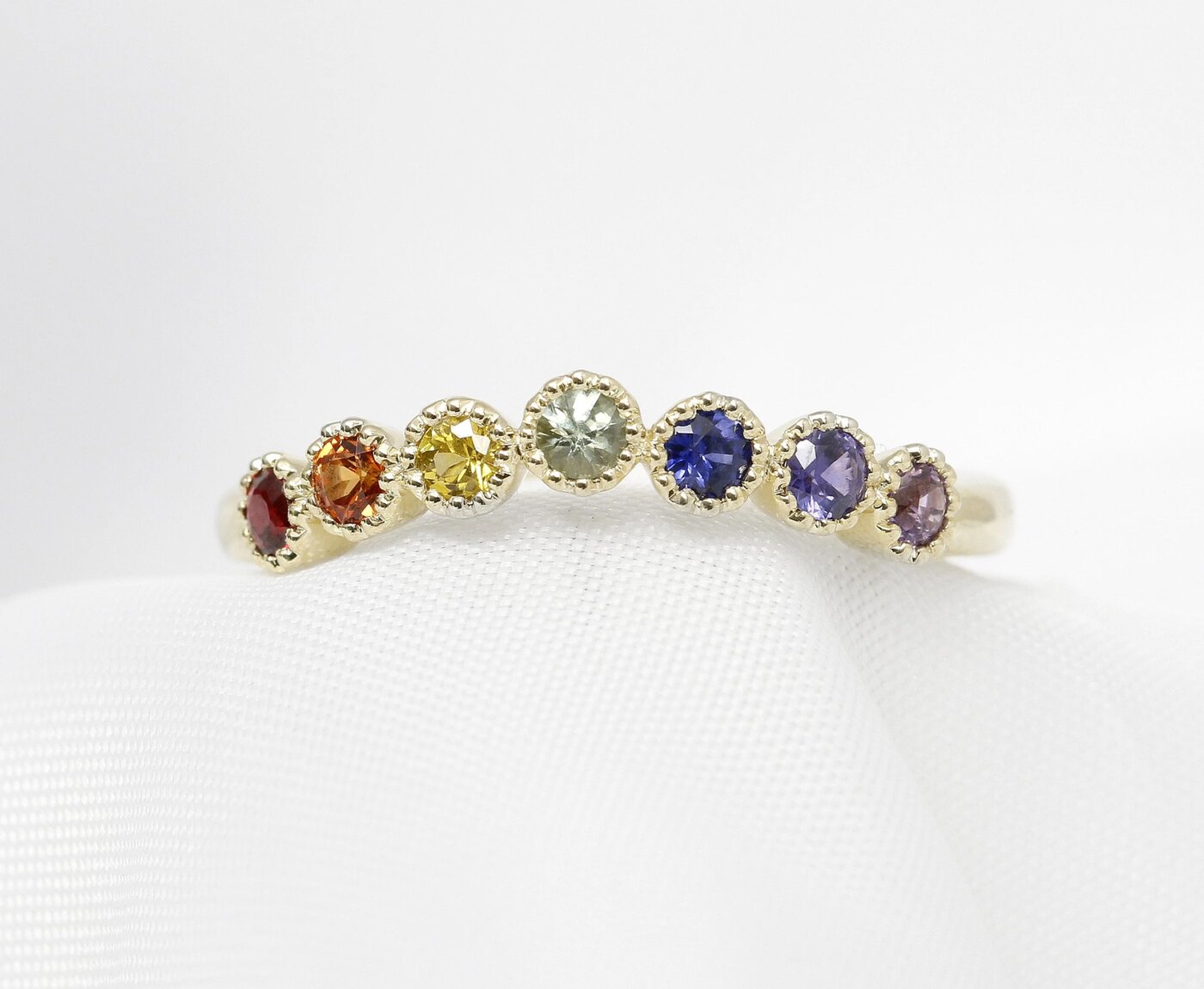
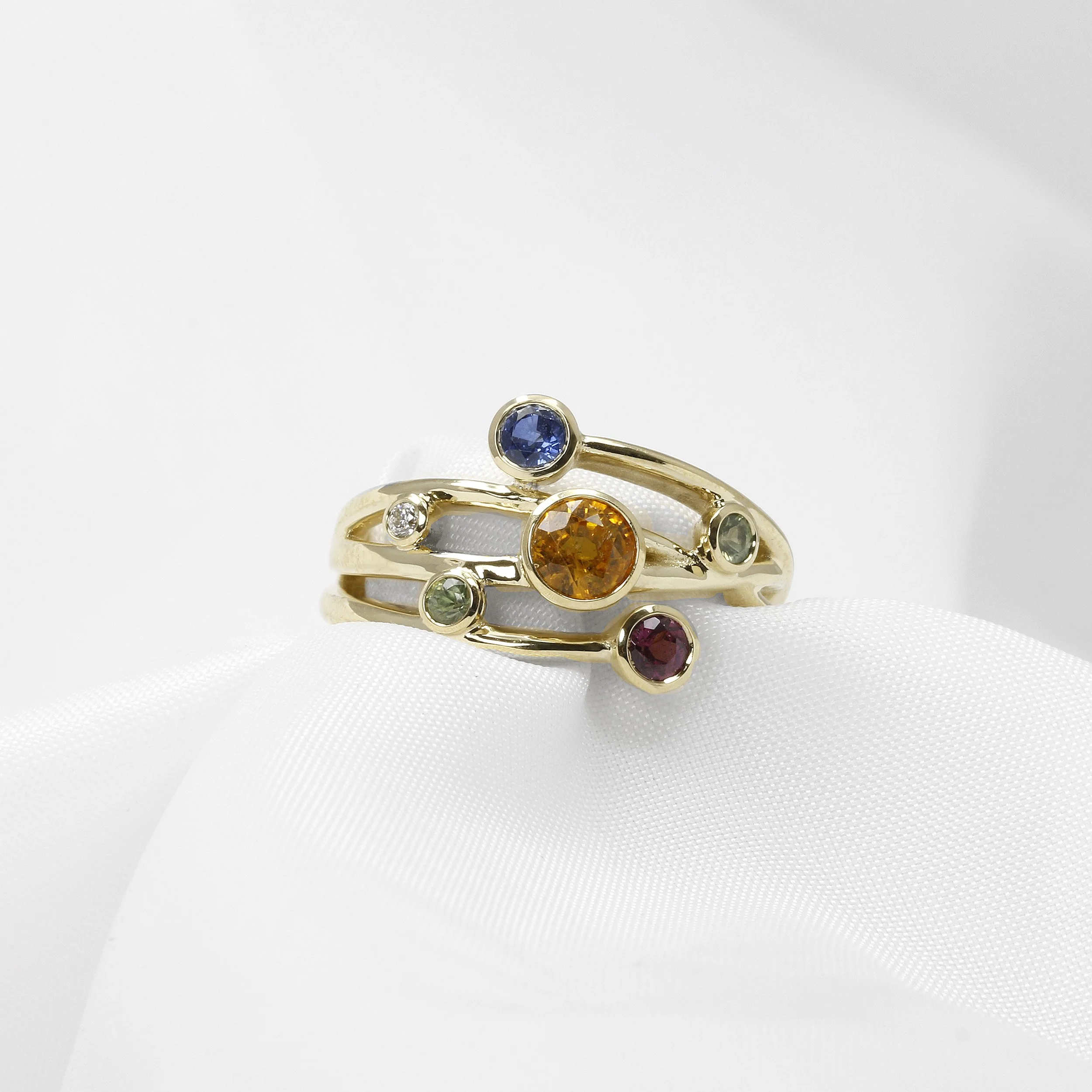
Multicolour Sapphire Shaped Ring in Yellow Gold
Buying Online? Do Your Homework
The internet has made buying jewellery easier than ever before, with thousands of sellers offering gemstones and finished jewellery through marketplaces and social media.
While many independent jewellers and craftspeople operate honestly online, buyers should still exercise caution.
If a gemstone appears dramatically cheaper than expected, it’s worth asking why. Is it correctly identified? Has it been treated? Is it actually the material being advertised?
Unfortunately, there have been cases where customers have received stones that were different from those described or, in some instances, not received anything at all.
Some gemstone sellers on social media platforms might have illegally sourced their gemstones by stealing from mines so caution is advised when buying through social media websites. If a seller is pushy and trying to rush a sale or promising you a bargain price that sounds too good then ask for more details, ask where the stones are sourced and which trade fairs they sell through.
A reputable jeweller should be happy to explain what you’re buying, where it came from and answer any questions you may have before you commit to a purchase.
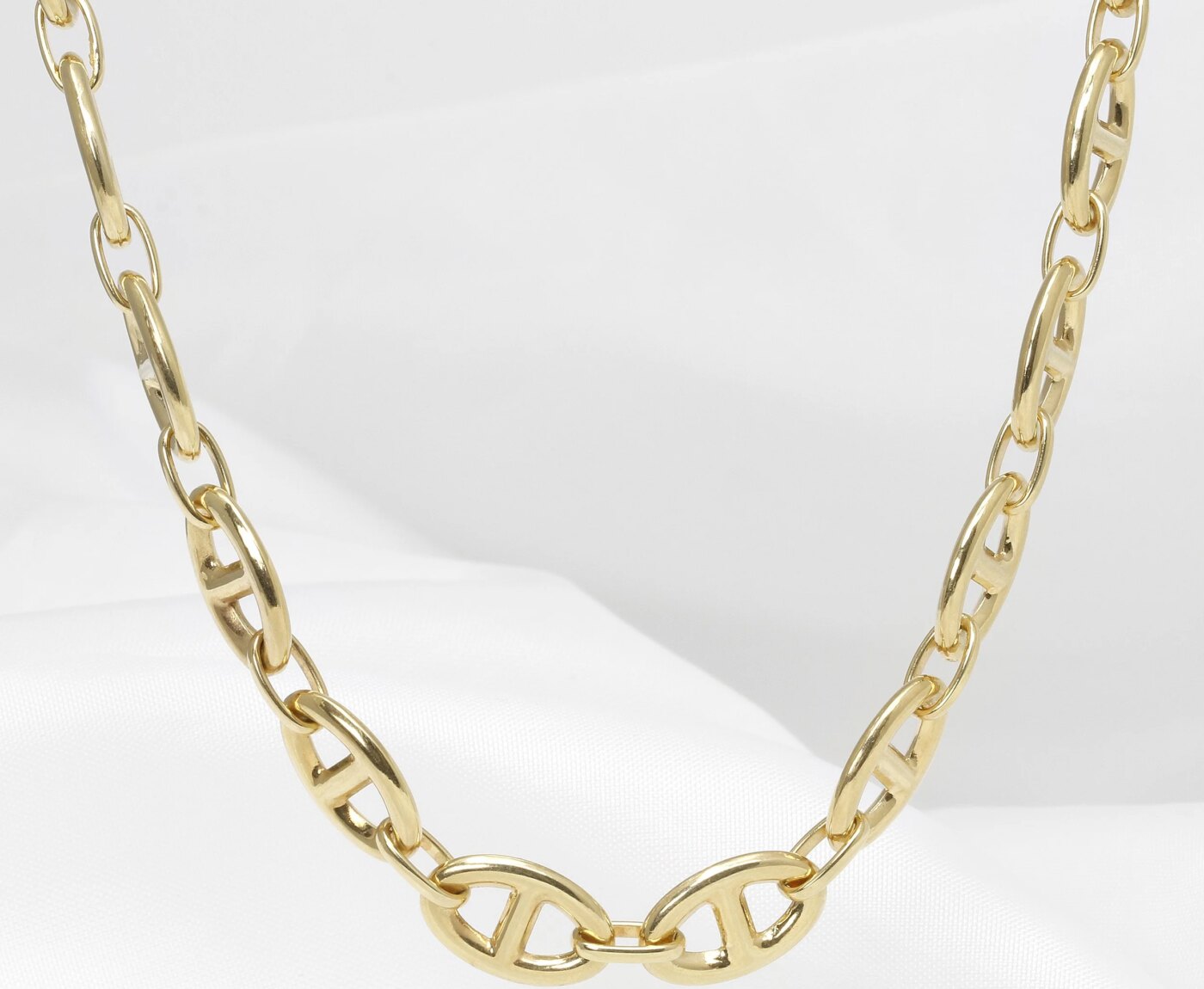
Marine Link Necklet in 9ct Yellow Gold
Jewellery That Lasts Generations
Perhaps the biggest difference between fast fashion jewellery and fine jewellery is longevity.
A well-made gold ring can celebrate an engagement, become a wedding ring, be passed to children and grandchildren, be resized multiple times, restored after decades of wear and even remodelled into an entirely new design while preserving its sentimental value.
Precious metals retain value.
Natural gemstones can often be re-cut and repolished.
Fine jewellery is repaired rather than replaced.
Instead of being discarded, it evolves with each generation.
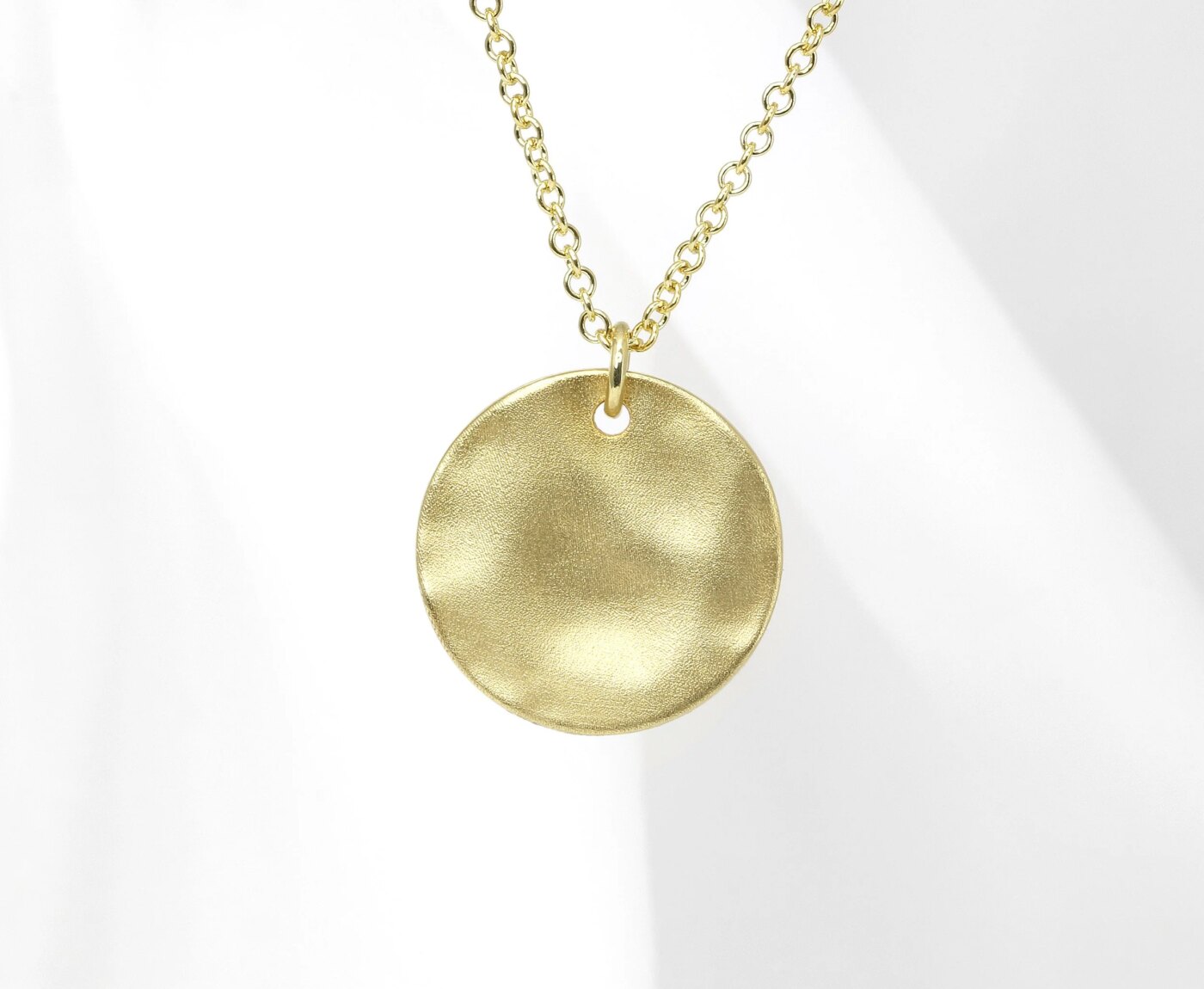
Large Molten Disc Pendant. Enjoy its Organic Sand-Blasted Finish or Add Colourful Gemstones to Personalise.
Making More Informed Choices
None of this means every piece of jewellery needs to cost a fortune. Fashion jewellery certainly has its place, especially when you’re looking for a fun accessory or trying a new style.
However, it’s worth considering what happens after the purchase.
Will it still be wearable in five years?
Can it be repaired?
Can it be recycled?
Do you know who made it?
Where were the materials sourced?
Who benefits from your purchase?
As consumers become increasingly aware of sustainability, traceability and ethical production, these questions are becoming just as important as price.
Jewellery has always marked life’s biggest moments—engagements, anniversaries, birthdays and family milestones. Choosing pieces made from quality materials by skilled craftspeople doesn’t just create something beautiful today; it creates something with the potential to be worn, repaired, treasured and passed on for generations to come.
In a world increasingly moving away from disposable products, perhaps the most sustainable piece of jewellery is simply the one that never needs replacing.
Schedule your free consultation with us to design your own jewellery or pop in to our showroom to see our beautiful pieces made in our on-site workshop.
Related Posts