How Do We Recycle Gold?
Recycling, repurposing, upcycling; these are labels, actions, values, and mindsets that are becoming part of our everyday lives. Tips on how to reuse supplies and materials and reduce waste are trending, and you’ll find this perspective is spreading into all industries across the world.
Reusing gold to make new jewellery pieces isn’t a modern phenomenon. Goldsmiths have been doing it for centuries, just on a smaller scale. Nevertheless, to the retail consumer, it might appear as a modern shift in keeping with the current times.
You may have seen jewellers advertising products made with recycled gold and wondered what this means.
As awareness of our carbon footprint grows, more people are looking for sustainable ways to source jewellery. This includes reducing the impact of gold mining and making more conscious choices around consumption and waste.
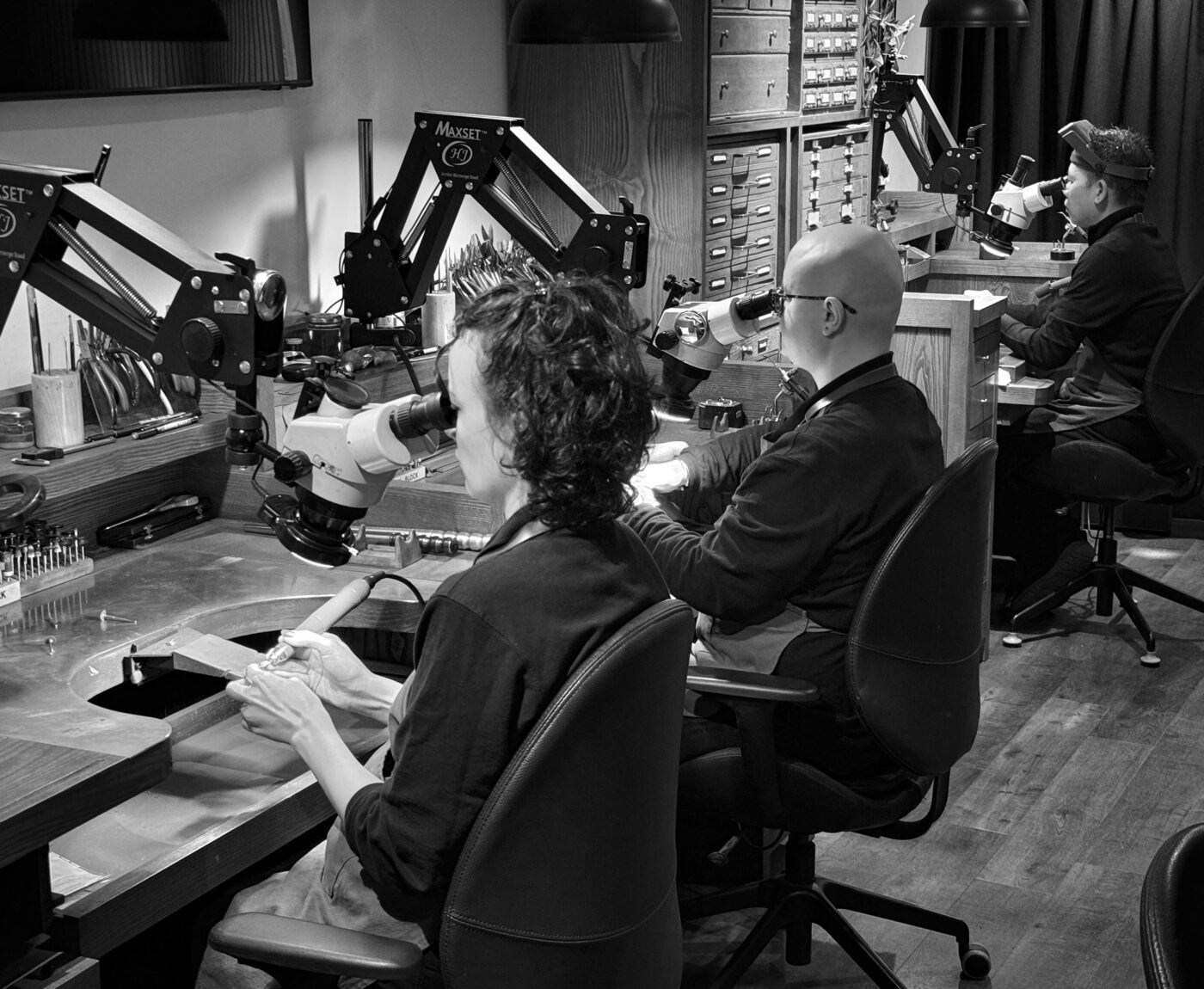
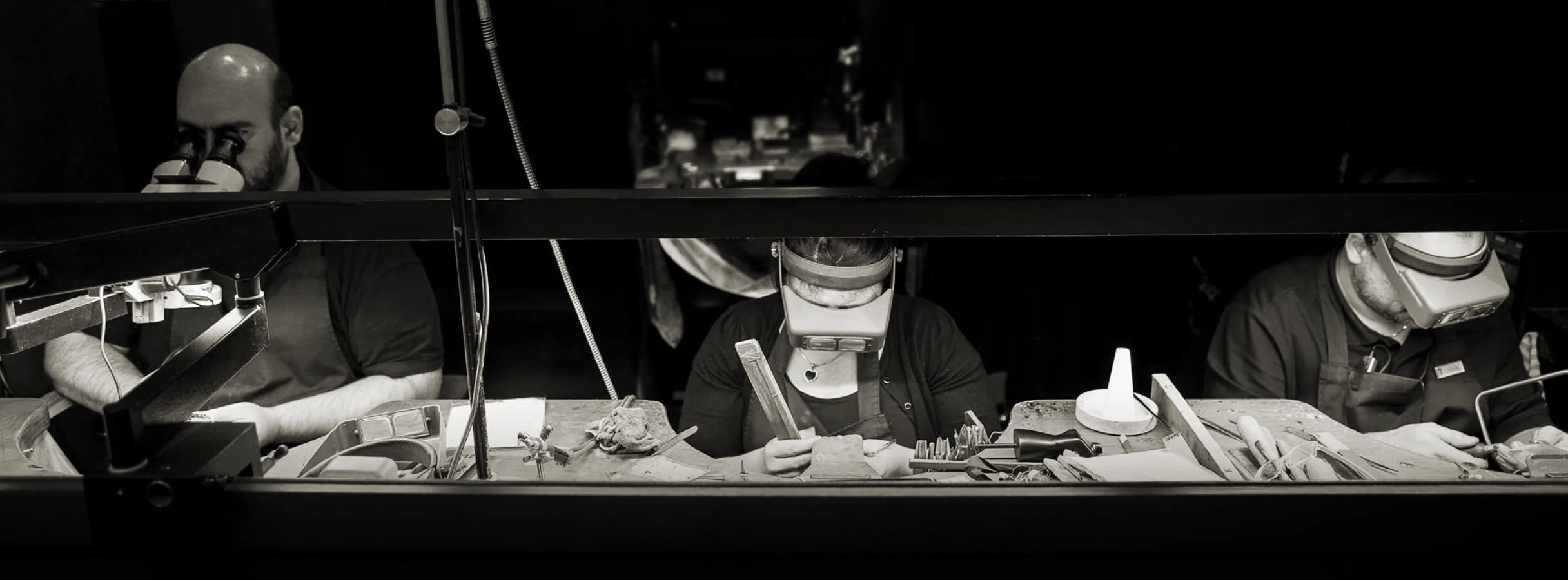
Jewellers are also embracing transparency, allowing customers to see behind the scenes and educating them on the manufacturing process. Read on to learn more about our gold recycling processes at Timothy Roe Fine Jewellery, and what this means for you.
Different Ways to Recycle Gold
There are different ways of recycling gold, and there are different forms of gold that can be recycled.
Electronic Waste
Some industries recycle electronic waste such as smartphones, computers, and circuit boards that have gold in them. The Royal Mint in Wales, for example, has just opened up a recycling centre for this purpose.
Industrial Gold
Industrial gold waste pertains to the dentistry and medical industries, as well as old gold plating and coatings. Recycling processes involve removing the gold coating on plated jewellery, watches, and connectors through chemical or electrochemical methods.
Jewellery and Scrap Gold
Finally, there is jewellery and scrap gold, where jewellers will weigh your pieces, check the hallmarks and purity, and offer you a price for the materials. This will not be what your piece of jewellery is valued at for insurance purposes, but what the basic metal materials are worth according to current market prices.
Jewellers and goldsmiths can melt down old gold jewellery and reshape it into new pieces. Similarly, individuals can sell their scrap gold where it is melted and purified.
The specific methods used in gold recycling depend on the type of source material and the desired purity of the recovered gold. Various techniques, including chemical leaching, smelting, and electrolysis, may be used to extract the gold from the materials.
How Do We Recycle Gold at Timothy Roe Fine Jewellery?
Scrap Gold, Lemel & Offcuts
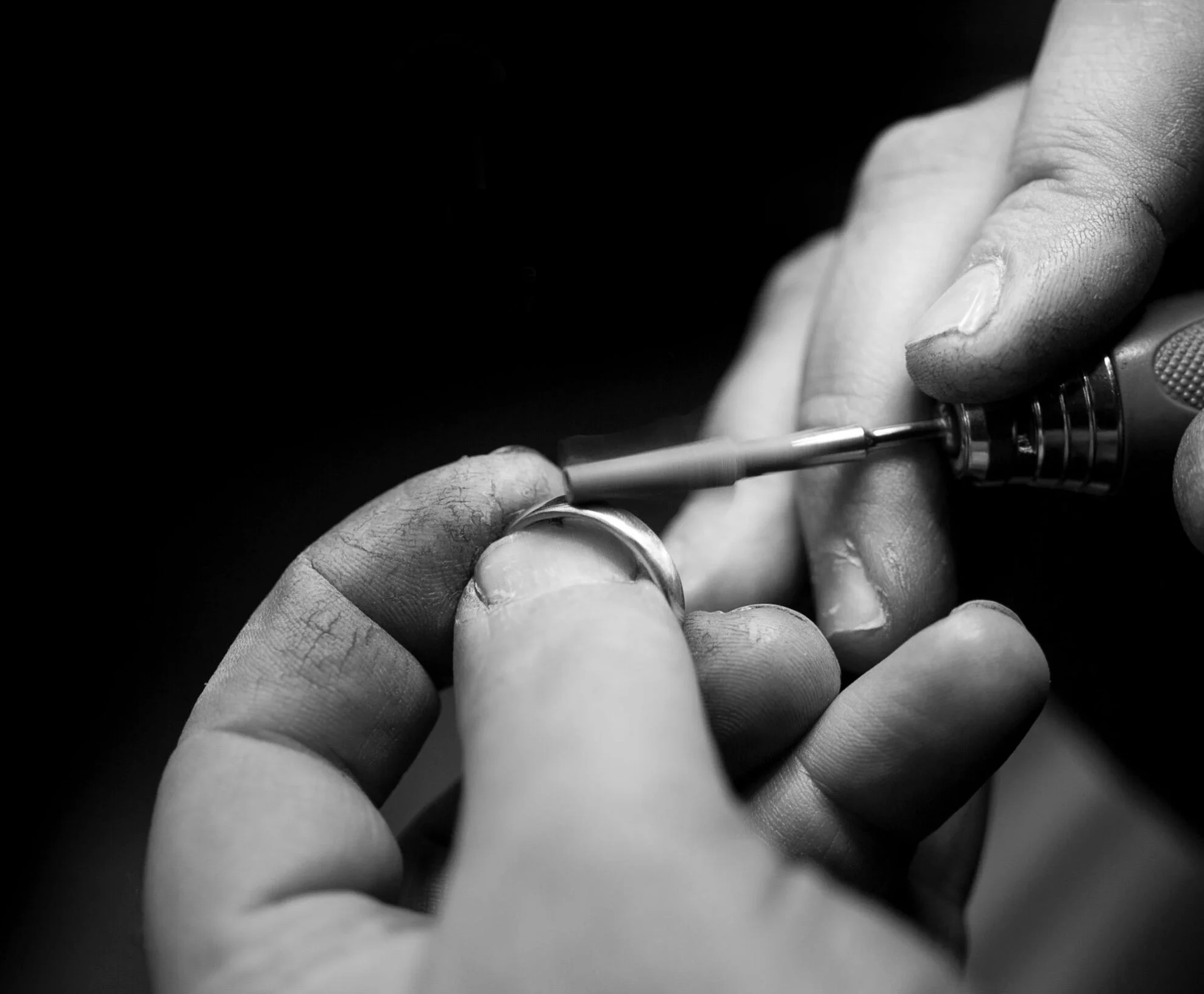
When jewellers drill, file, sand, and shape metal to form jewellery products, it creates precious metal waste. The leftover precious metal dust and filings from this is called lemel.
Lemel is a mix of emery paper dust, gold dust, filings, steel, and dirt, and is practically useless. We cannot use it, work with it, nor do anything with it, but it contains metal parts. It is swept from the floors and the goldsmiths’ workbench skins, along with any unusable offcuts we have from the bench, and is added to the pile. We also put the scrap gold we have purchased from customers into this mix.
We use a small UK-based bullion supplier to process our scrap gold, lemel, and offcuts. When our small-scale UK refiner process this mix, they separate everything back to fine precious metals: 999 gold, 999 platinum, 999 palladium, 999 silver, etc. We then receive payment for the precious metal content recovered.
This material can then be re-alloyed into jewellery-making alloys and will filter back into the trade as different types of wire, sheet, or tube, or maybe even casting grain.
Bespoke Orders and Casting
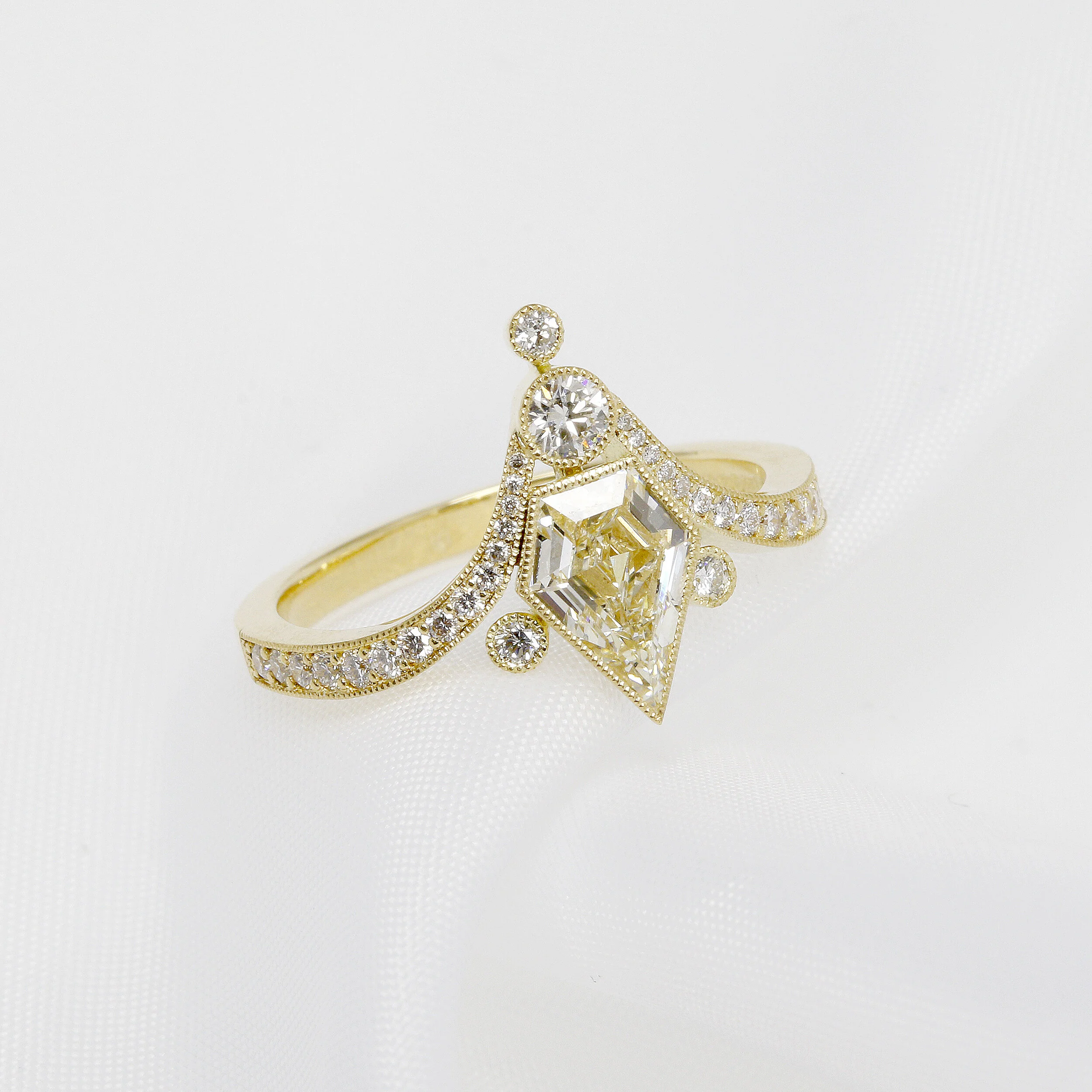
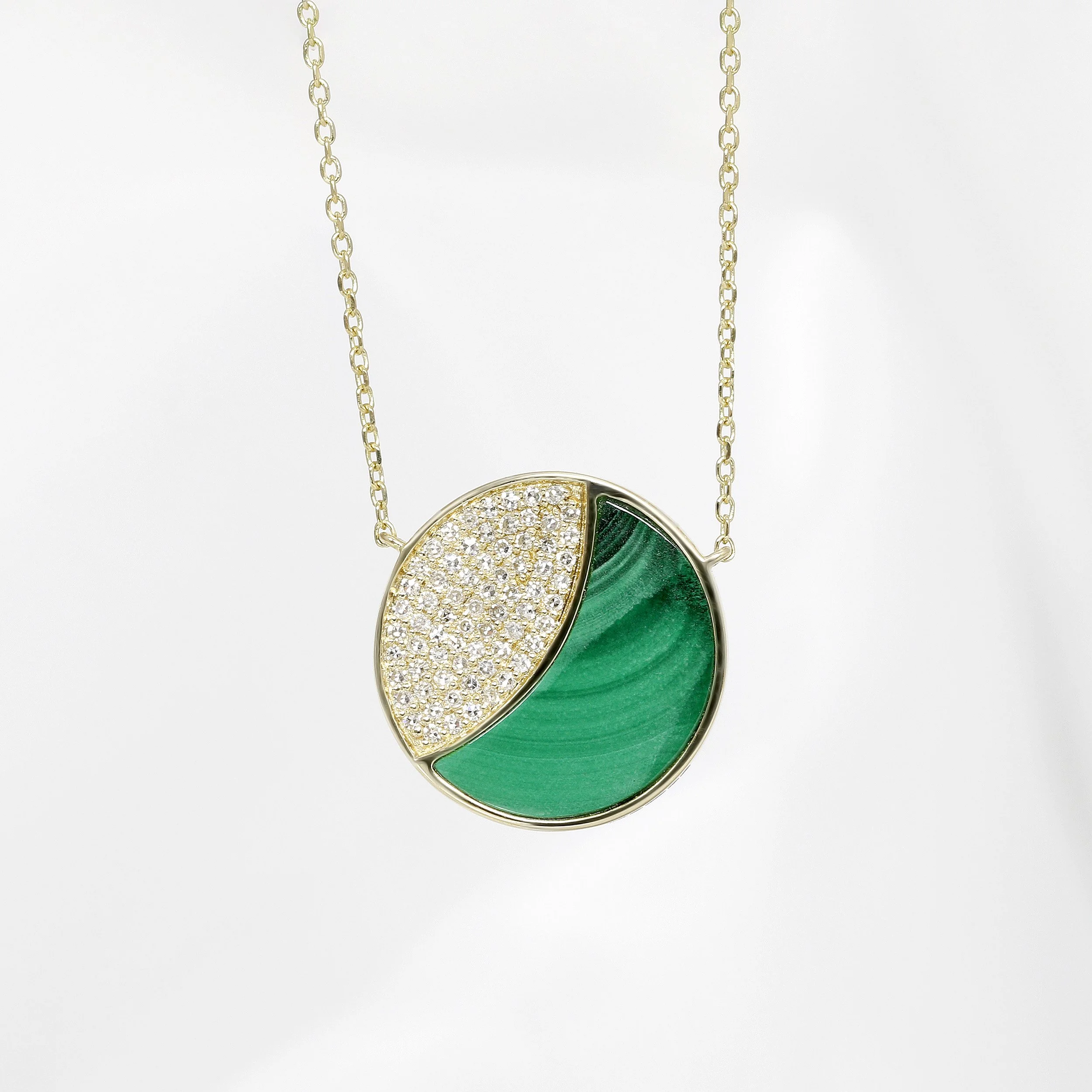
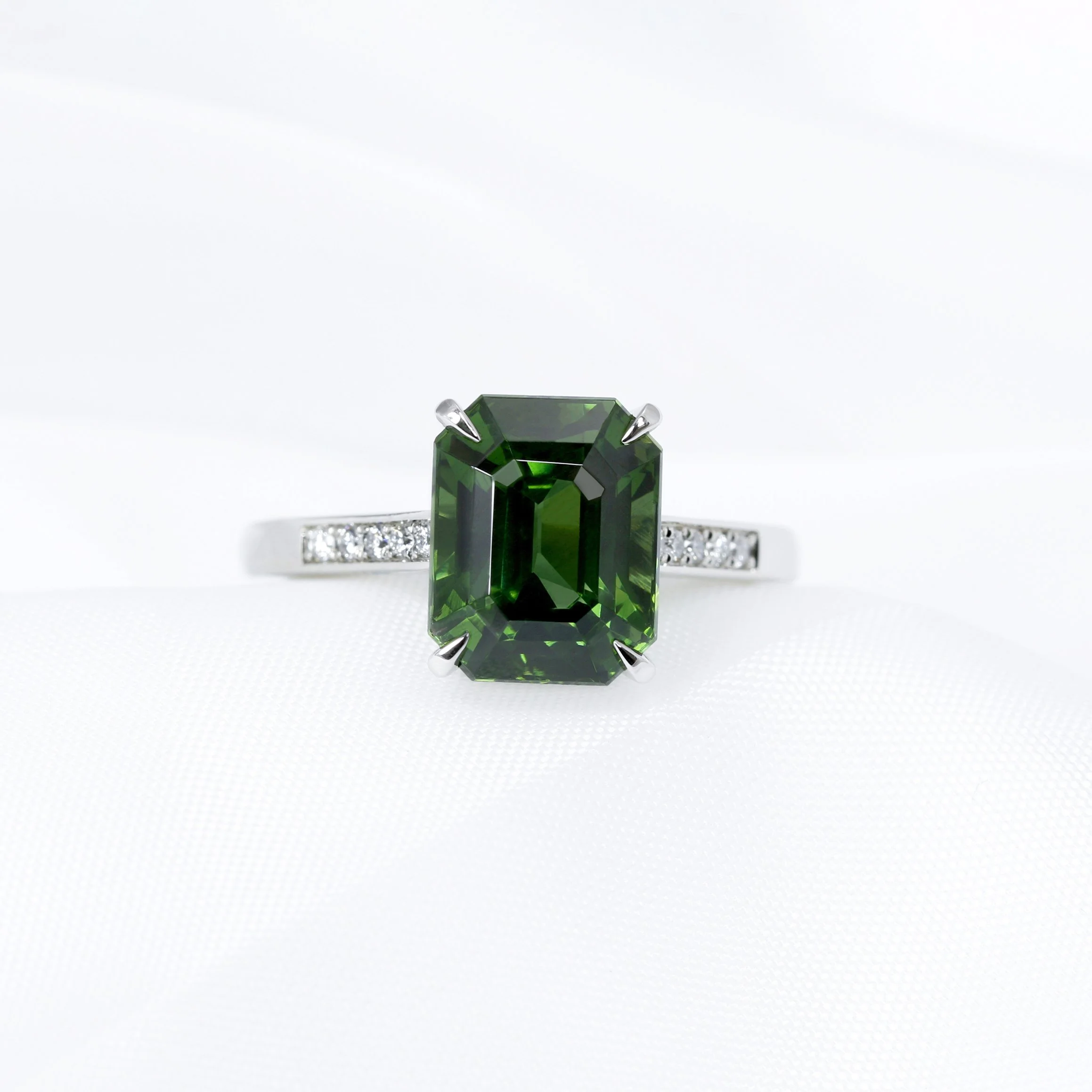
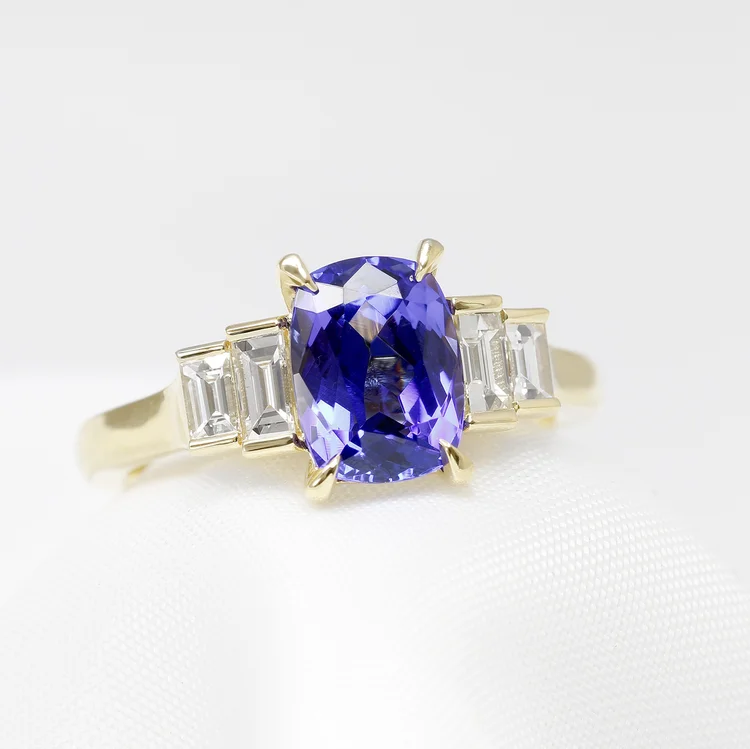
All of our bespoke jewellery that is made using computer-aided design and then cast is made with 100% recycled alloys. No newly mined precious metals have been used in the creation of the casting alloys that our supplier uses.
We return sprues, offcuts, and unused castings to them for credit, which they will in turn send to their bullion supplier (a large German company). They will process it, refining it back to fine gold, platinum, palladium, silver, and so on, to then remake into new alloys.
Casters often use a lot of metal. It is not uncommon for a single caster to put 3kg of platinum through a casting machine each week. Scraps and offcuts are returned to the recycling pot each week to be refined and reused.
Nearly all of the larger industry bullion suppliers have now switched to using 100% recycled gold and other precious metals. The industry and nearly all new fine jewellery is made of recycled materials.
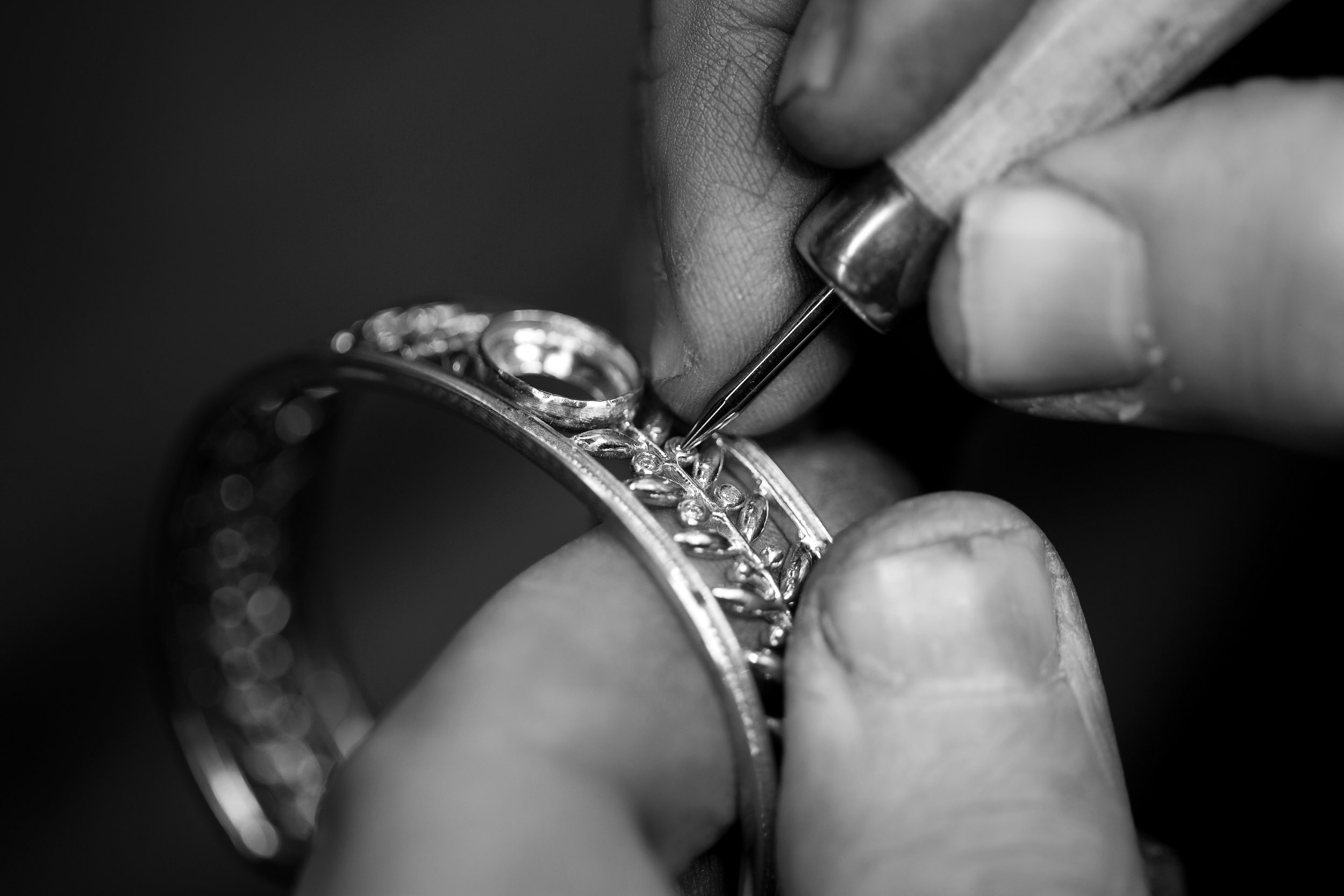
Bespoke Orders and Using Customer’s Existing Gold
If you have heirlooms or jewellery items that are sentimental and you like the romantic idea of repurposing special pieces into a new design, this is something we can do at Timothy Roe Fine Jewellery. It can be a great way to wear jewellery you love whilst remembering dear ones who are no longer here.
Risk and Caution When Remodelling Jewellery
Before we melt down your existing pieces, we need to be careful and check the purity and alloys and discuss with you what new item you would like made.
Generally, we wouldn’t use customers’ gold if we have to cast new pieces. If the alloys do not match when we add additional metals, it can cause the cast being brittle, porous, or fail completely. We can, however, use customers’ items if we are making something completely hand.
Admittedly, it is easier to work with customers’ yellow gold than other metals. We can add to gold with other recycled gold, lower or increase the carat amount, and it gives us more options. However, we always need to assess the suitability and consider all viable options when you ask us to repurpose your treasures. There is always a risk with melting gold that the remake will not be successful or we run into issues in the melting pot. This is usually due to the alloy metals in the gold.
At Timothy Roe Fine Jewellery, honesty is at the forefront of our reputation. Our experts are highly experienced working with the metals, meaning this is seldom a problem we run into. Nonetheless, there is a risk that our customers do need to be aware of.
Bespoke Jewellery, Crafted Responsibly
We will look at all your pieces and work with you to find the best way to recycle them into something new. Our goal is to always make the best quality product possible in the most cost-effective way. We want to create the most beautiful jewellery that will last and stay with you as you create new memories.
If you have old gold and are considering using it in a new project, please get in touch. We can answer all your questions and show you how it works. Come and meet our workbench team, see where we will create your unique, beautiful piece, and be inspired by our design team. Designs make your idea a reality.
Related Posts