How Are Natural Diamonds Priced?
Understanding the Value of Nature’s Masterpiece
Two of the most common questions we’re asked is: What is this diamond worth? And, how much do diamonds cost? Often, customers present a ring or describe a missing stone they need replaced and expect an instant valuation—without providing any grading information. Unfortunately, it’s simply not possible to accurately value a diamond on sight alone and here, we explain why.
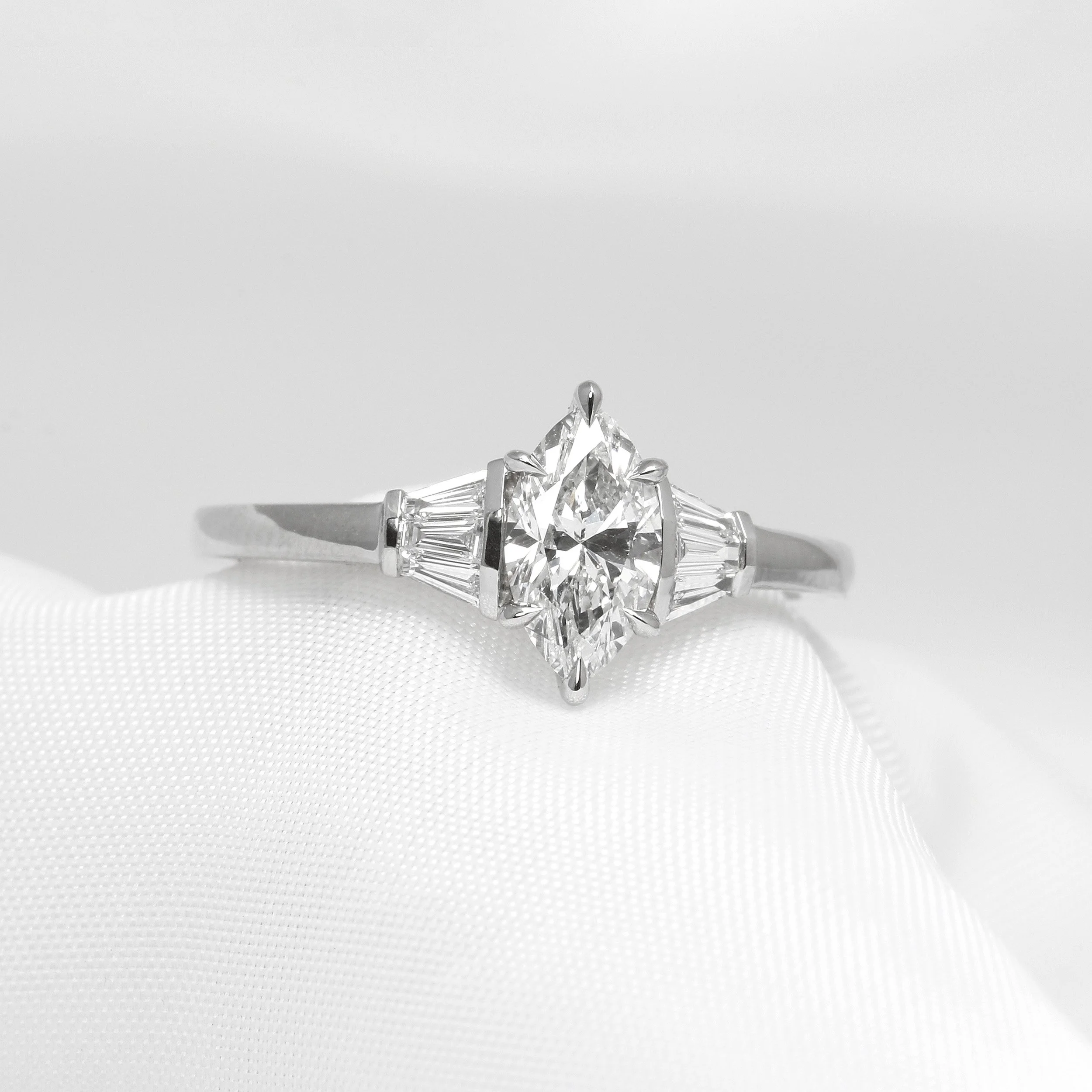
Marquise Ring in Platinum
Why We Can’t Price a Diamond at a Glance
While a diamond may appear bright or well-cut to the naked eye, its true value depends on a specific combination of features known as the 4 Cs: Cut, Colour, Clarity, and Carat weight. These characteristics must be assessed under proper gemmological conditions—ideally when the stone is loose, unmounted, and examined under controlled lighting using industry standards.
Two diamonds may look nearly identical but have drastically different values due to subtle variations only detectable with magnification or expert equipment. When a stone is set in jewellery, parts of it may be obscured, further complicating assessment. This is why certified grading reports from recognised laboratories—such as GIA (Gemmological Institute of America)—are vital when valuing a diamond.
How Diamonds Are Graded
In professional grading environments, loose diamonds are placed table-down on a neutral background and compared to a master set of stones under specific lighting. Grading is conducted according to internationally accepted standards set by bodies like GIA and CIBJO (World Jewellery Confederation). When a diamond is mounted, only an estimate can be made, and this may not be fully accurate. Grading diamonds is an expensive process and reports for diamonds can cost on average £300 laboratory-depending. Usually diamonds over 0.30 ct will automatically have a diamond certificate but for smaller stones it will be too costly.
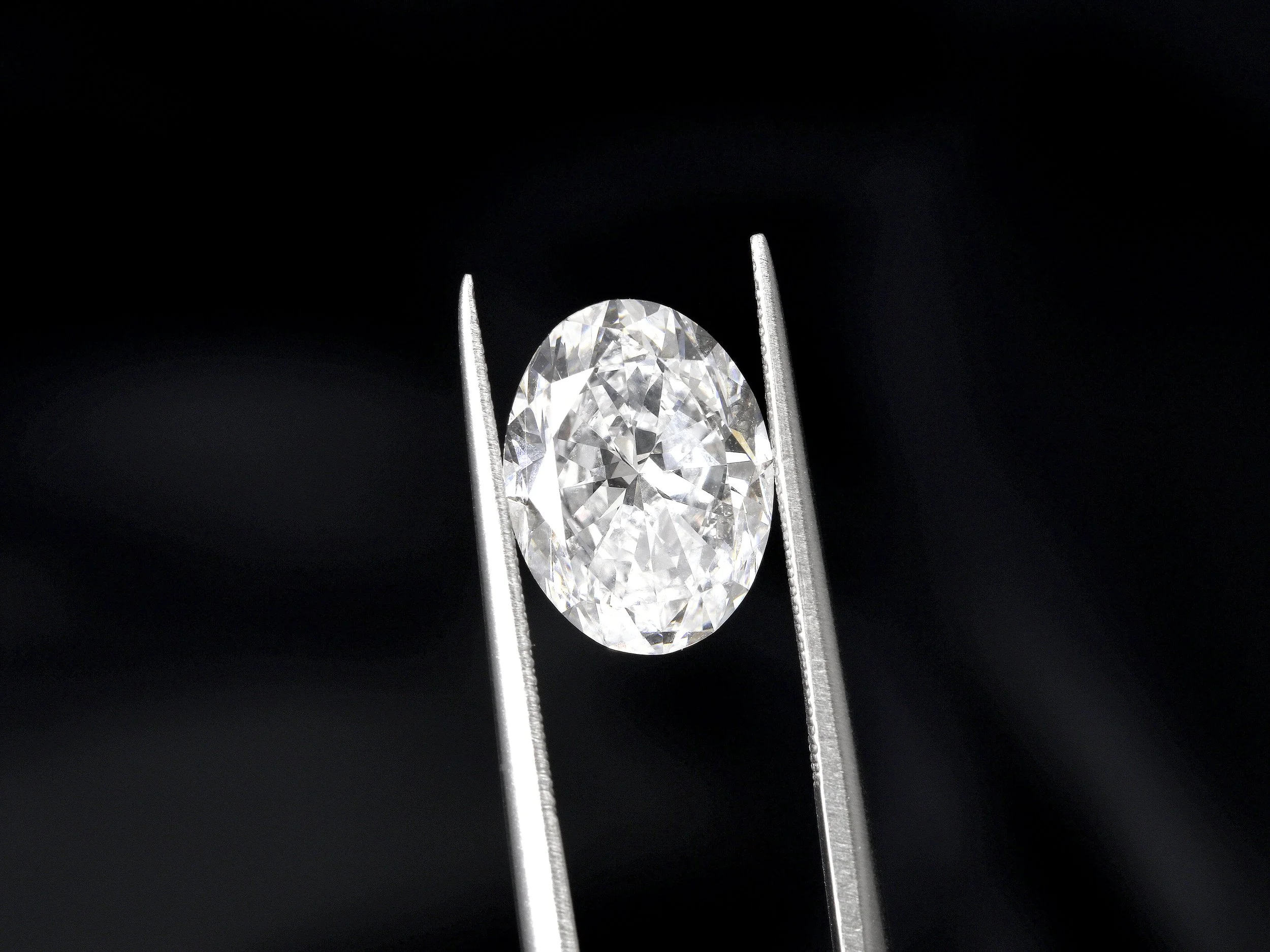
Shining A Spotlight On The Sparkle: Exploring The 4 Cs Of Diamonds Blog Article
The 4 Cs Explained
Cut
A diamond’s cut is about more than shape—it refers to the precision of its facets and proportions, which affect how it reflects light. A well-cut diamond will sparkle brilliantly, while a poorly cut one can appear dull, regardless of size. Market trends will also dictate price and availability so certain shapes of diamonds will be more expensive.
Colour
Graded from D (colourless) to Z (light yellow or brown), colourless diamonds and the vivid fancy colours are seldom and command higher prices. Even slight tints though of yellow and brown in colourless can mean a lower value.
Clarity
Clarity measures the presence of internal inclusions or surface blemishes. The fewer the flaws, the higher the clarity grade. Flawless or Internally Flawless diamonds are extremely rare and much more valuable.
Carat Weight
Carat refers to the diamond’s weight. Larger diamonds are harder to find and more expensive, but pricing isn’t linear. For example, a 2-carat diamond can be worth more than four times the price of a 1-carat, depending on the other Cs. Prices also increase around whole numbers—such as 0.50ct, 1.00ct, 1.50ct—because of consumer demand.
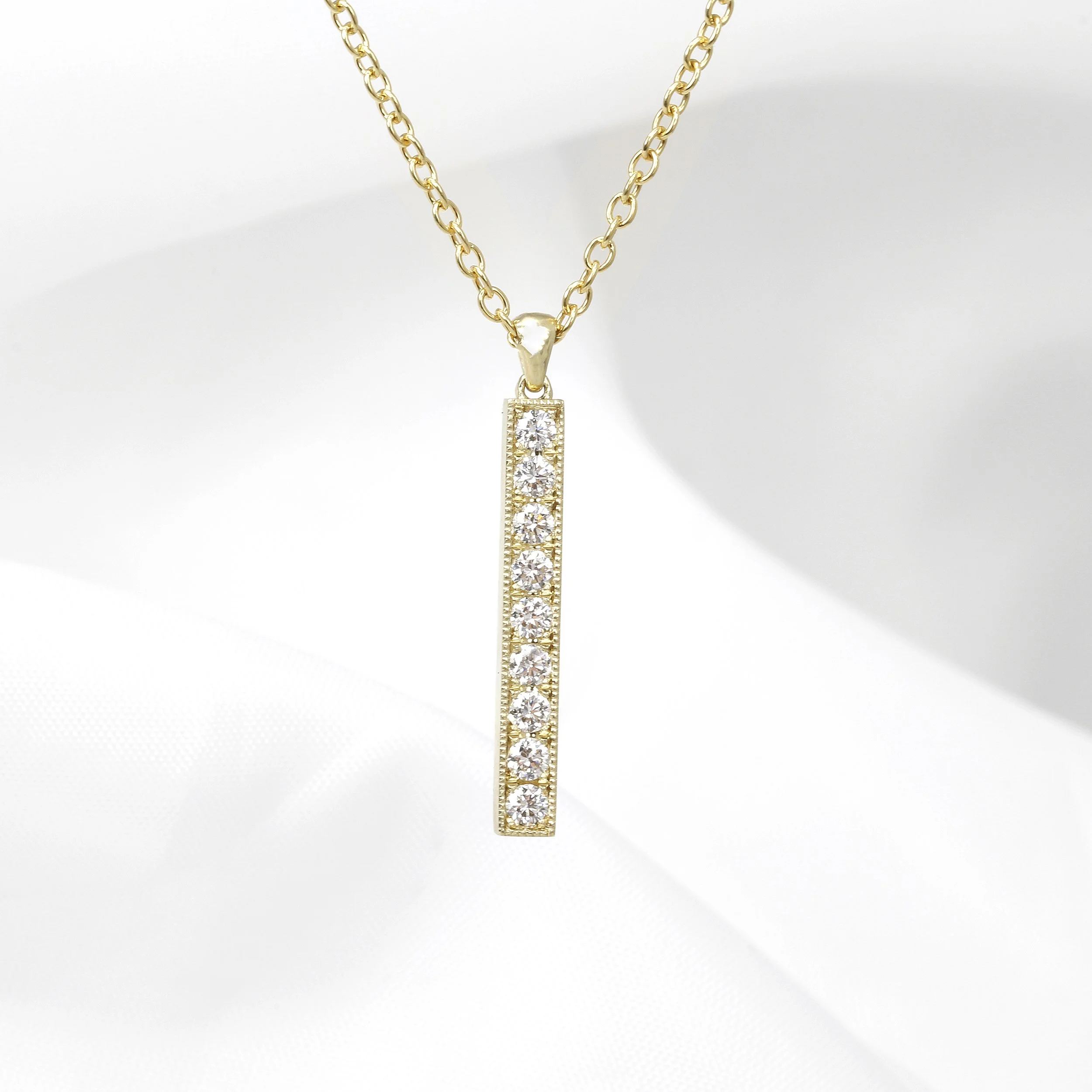
Diamond Bar Drop Pendant in 9ct Yellow Gold
Rarity and Natural Formation
Diamonds are a true wonder of nature, formed deep within the Earth’s mantle over billions of years under extreme heat and pressure. Their journey to the surface via volcanic eruptions is remarkable. During their formation, they may encounter trace elements like nitrogen or boron, creating subtle tints, or develop internal cavities or inclusions. The larger and purer the diamond, the rarer it is—hence the sharp increase in price for top-quality stones.
Ethical Sourcing and the Kimberley Process
The ethical sourcing of diamonds is a vital aspect of the modern jewellery trade. Organisations such as the World Diamond Council, Kimberley Process Certification Scheme (KPCS), and Responsible Jewellery Council (RJC) help protect the integrity of the industry by safeguarding against conflict diamonds—stones that fund violence or exploitation.
The Kimberley Process, established in 2003, imposes strict controls on the international trade of rough diamonds, ensuring they are conflict-free. These protocols, alongside supply chain traceability and sustainable mining efforts, contribute to both consumer confidence and, in many cases, the price of the diamond.
Mining Costs
The cost of extracting natural diamonds from the Earth is another contributing factor to their price. Diamond mining is a complex and costly process, requiring extensive machinery, labour, and resources. In addition, environmental and ethical considerations can drive up the cost, as mining companies strive to implement sustainable practices.
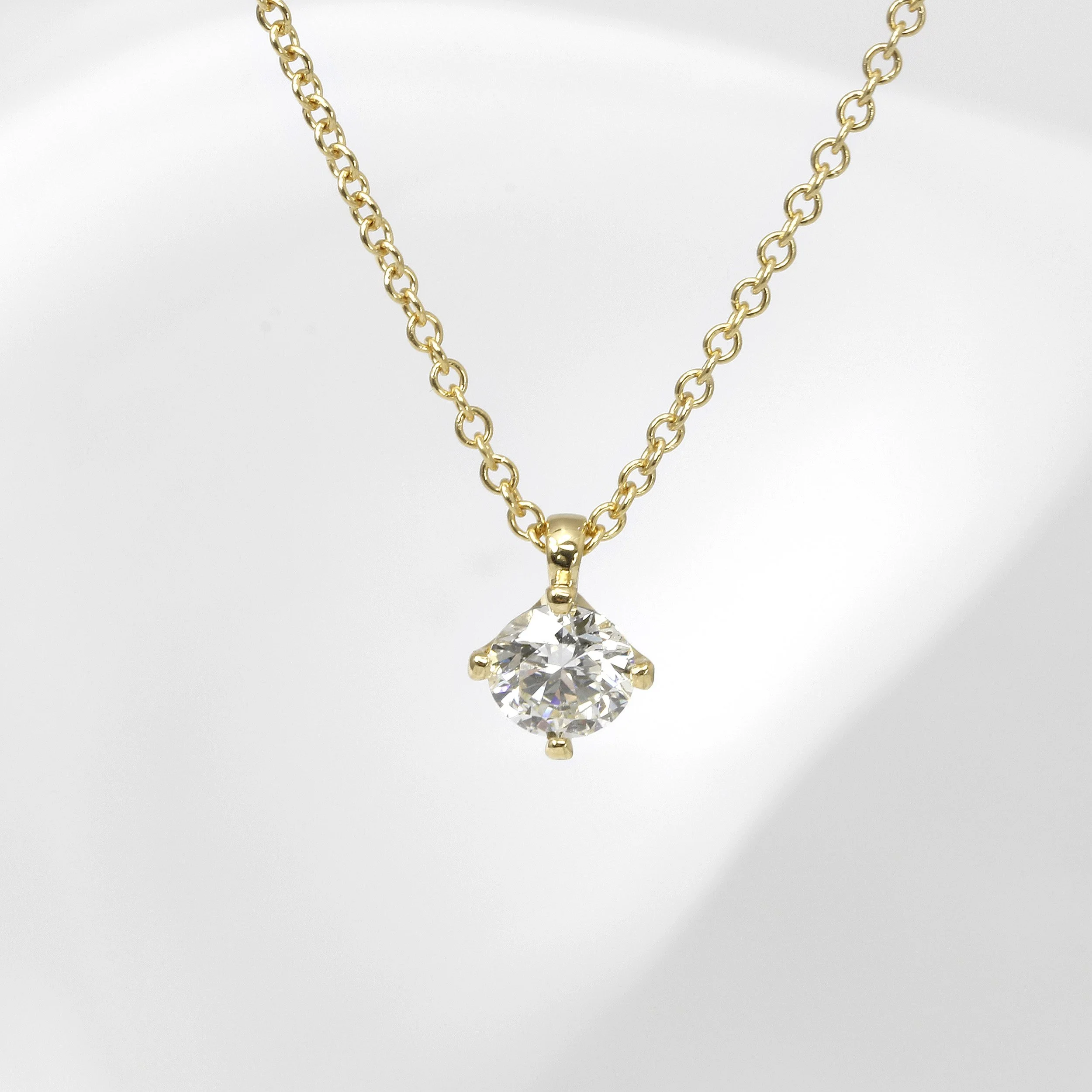
Diamond Solitare Pendant in 18/9ct Yellow Gold
Branding, Market Demand, and Perceived Value
Prestige and branding also affect diamond pricing. Well-known luxury houses may charge a premium due to their design expertise, craftsmanship, and reputation. Additionally, diamonds carry deep cultural and emotional significance—often chosen for engagement rings and important life moments—which fuels ongoing demand and adds to their perceived value.
Summary: Why Natural Diamonds Are So Valuable
Natural diamonds are expensive not only because of their physical properties but also due to the immense effort required to find, extract, cut, and grade them. Their value is shaped by the delicate balance of the 4 Cs, their geological origin, ethical sourcing practices, and the emotional resonance they carry.
Behind every sparkling stone lies a story billions of years in the making—one of nature, craftsmanship, and timeless allure. When you invest in a natural diamond, you’re not just buying a gem—you’re acquiring a piece of the Earth’s rarest and most beautiful legacy.
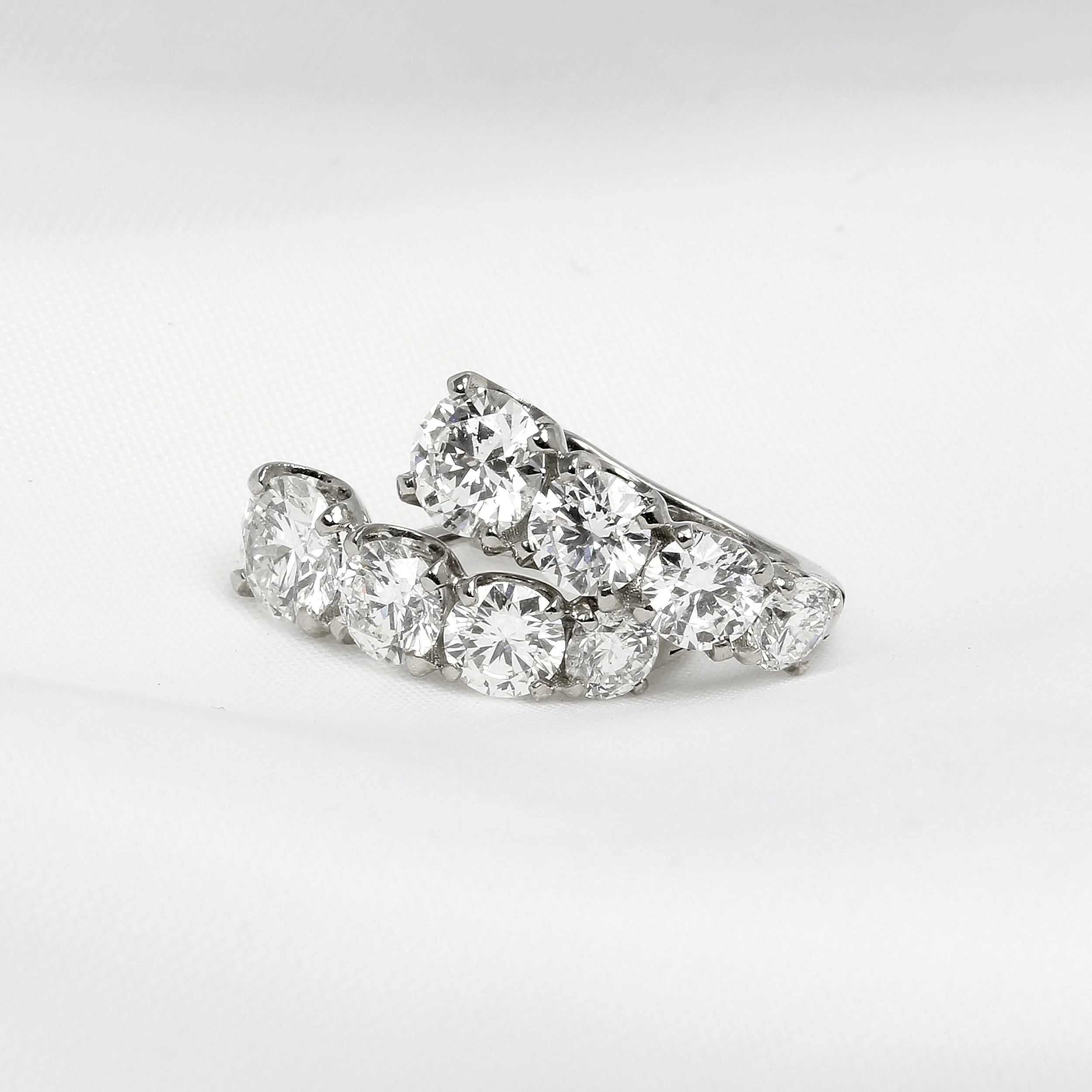
Diamond Half Hoop Earrings
Related Posts