Beyond Blue: The Captivating World of Coloured Sapphires
When most people hear the word sapphire, they instantly picture that deep, regal blue. But step beyond the familiar, and you’ll discover a kaleidoscope of sapphire colours—radiant pinks, golden yellows, lush greens, mysterious purples, and even warm sunset oranges in the highly coveted Padparadscha variety. These gemstones have been adorning crowns, cocktail rings, and cherished heirlooms for centuries, their allure transcending trends and time.
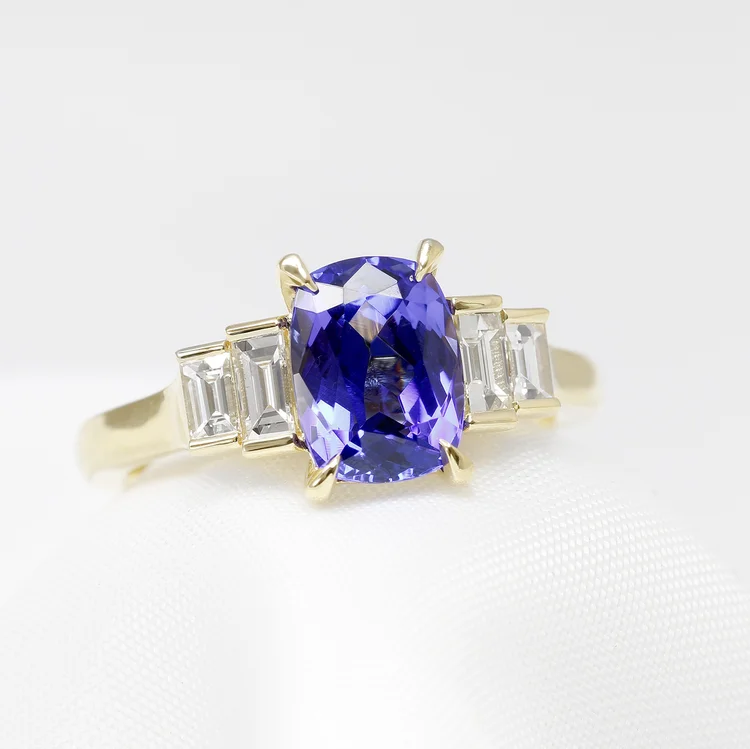
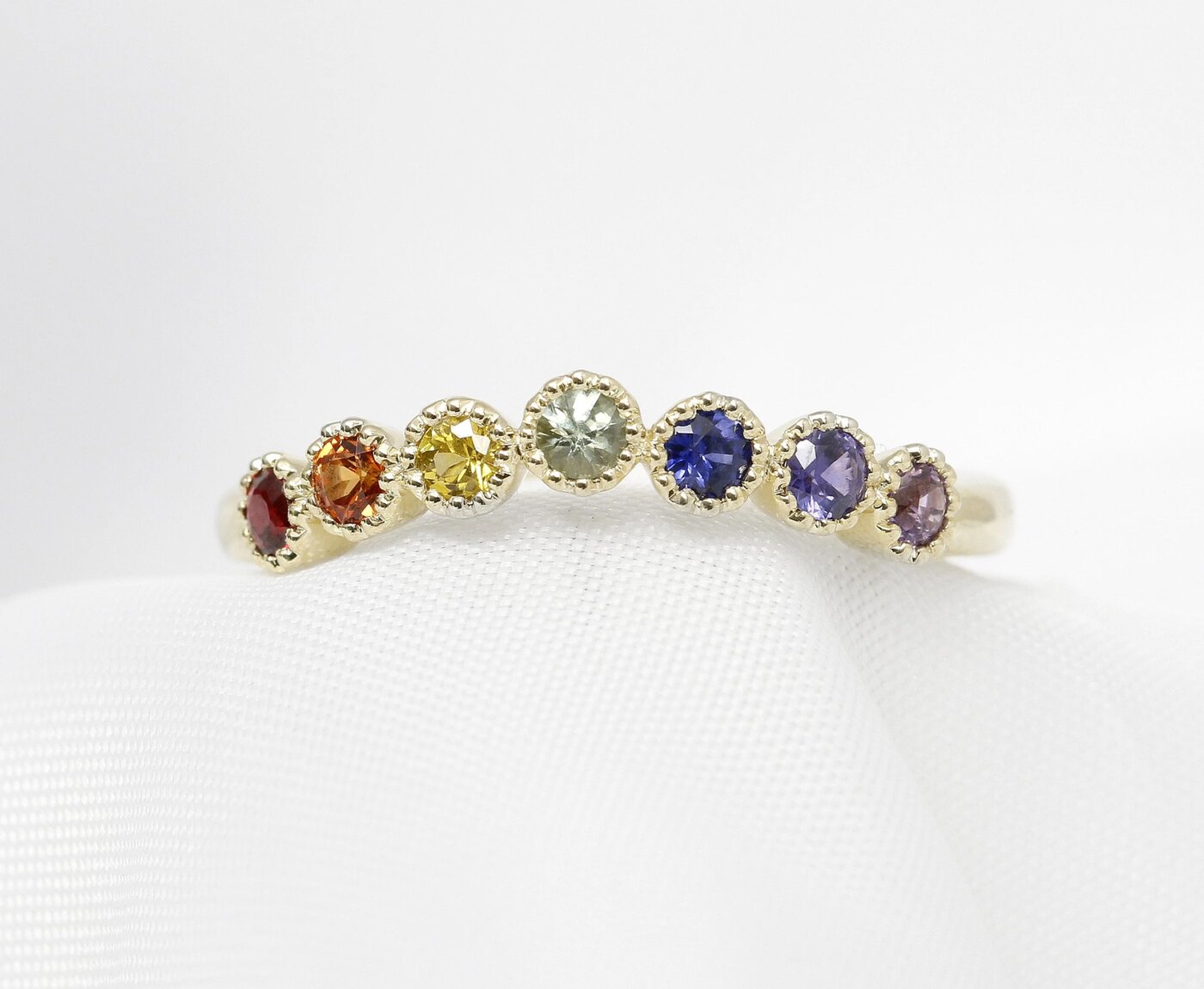
Multicolour Sapphire Shaped Ring in Yellow Gold
From Antique Elegance to Modern Minimalism
Coloured sapphires are remarkably versatile, lending themselves to every design era. In Edwardian and Art Deco jewellery, pastel-hued sapphires were often paired with diamonds and platinum, creating ethereal, lace-like designs. The romance of these pieces still enchants collectors today, especially when the sapphires bear that slightly soft, vintage cushion (old mine cut) shape so characteristic of early 20th-century cutting styles.
Fast-forward to the 21st century, and coloured sapphires are experiencing a renaissance. Modern jewellers are setting them in sleek, minimalist designs—think clean bezels or floating stone settings—that let their unique hues take centre stage with modern to fantasy cut shapes. The growing popularity of coloured sapphire engagement rings reflects a desire for individuality and a break from tradition, without compromising on durability or luxury. Eternity rings for wedding anniversaries with coloured sapphires and white diamonds are a classic timeless addition to every jewellery lover’s collection—make it modern and personal to you in your favourite colours.
Why Choose a Coloured Sapphire?
-
Uniqueness – No two sapphires are exactly alike. The variations in tone, saturation, and natural inclusions make each gem as individual as its wearer.
-
Durability – With a hardness of 9 on the Mohs scale, sapphires are second only to diamonds, making them an ideal choice for daily wear pieces like engagement rings.
-
Spectrum of Choice – Whether your heart leans towards a romantic blush pink, a cool green-blue teal, or a bold, citrusy yellow, there’s a sapphire to suit every mood and skin tone. Try an ombre effect in your favourite colour or go for a bright fun rainbow!
-
Value Longevity – Fine coloured sapphires, particularly those untreated or with minimal enhancements, have enduring value and remain highly sought after at auction houses worldwide.
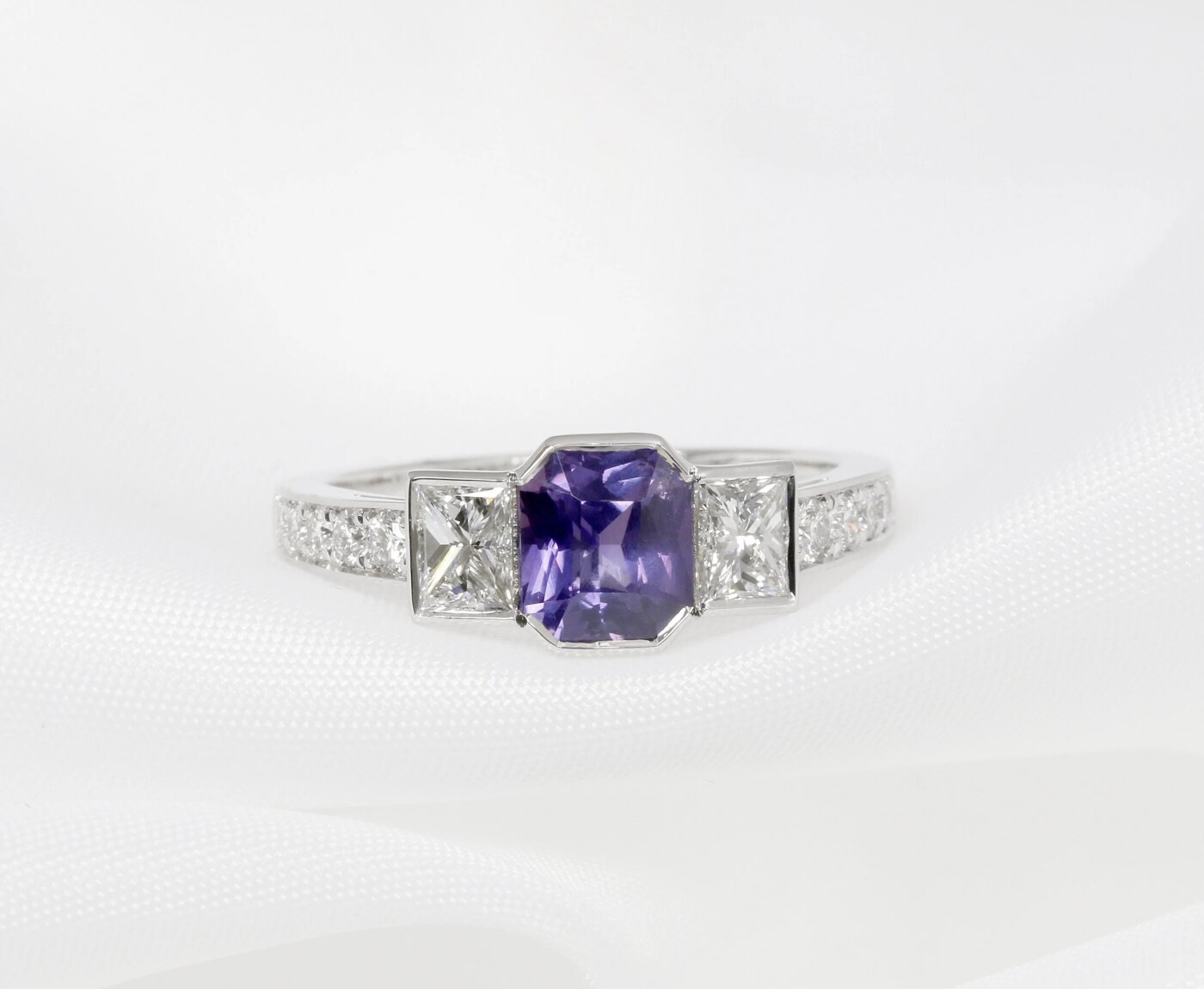
Purple Sapphire and Diamond Ring in 18ct White Gold
The Lore and Symbolism
Sapphire is the birthstone for September but if blue isn’t your colour there are plenty of others you can choose from. Who said September sapphires need to be blue anyway?
Historically, sapphires of all colours have been linked to protection, wisdom, and divine favour.
Ancient Persians believed the sky’s colour came from the reflection of a giant sapphire beneath the earth, while in medieval Europe, sapphires—regardless of hue—were thought to protect wearers from envy and harm.
In Eastern traditions, yellow sapphires were associated with prosperity and learning, often gifted to scholars and spiritual leaders.
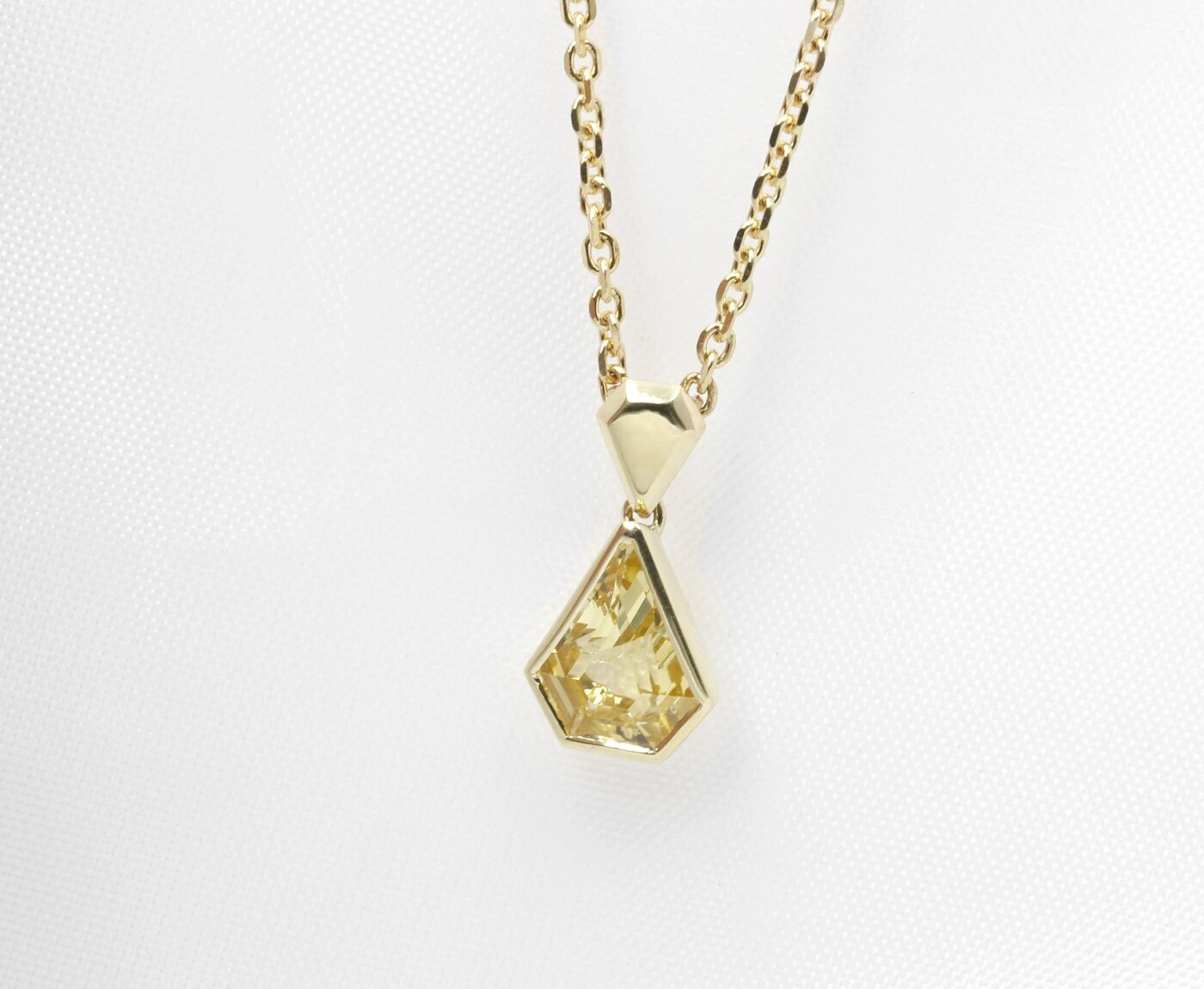
Yellow Sapphire Pendant in 9ct Yellow gold
Where Do Coloured Sapphires Come From?
Coloured sapphires are found alongside blue sapphires, often in the same locations. Natural sapphire is actually colourless; its colour comes from contact with different colouring elements during formation. While certain regions are known for producing specific colours, many sapphire-producing areas yield a wide variety of hues.
In the jewellery industry, the word “sapphire” by default refers to a blue sapphire. When referring to other colours, the colour name should precede the word “sapphire” (e.g., green sapphire, yellow sapphire). The only exception is the Padparadscha sapphire, which has its own distinctive name.
Like blue sapphires, all coloured sapphires are made of aluminium oxide and belong to the mineral family corundum. Any sapphire that is not blue or red is called a fancy-coloured sapphire. The colouring element varies by colour:
-
Blue: iron and titanium
-
Pink: chromium
-
Purple: chromium, iron, and titanium
-
Green: iron in different amounts
-
Yellow: iron in different amounts
-
Orange & Padparadscha: a mix of iron and chromium
For fancy-coloured sapphires, value is influenced by depth of colour, clarity, and overall appearance, but the colour itself is a major factor. Current market trends place the Padparadscha sapphire as the most expensive, followed by pinks and purples. Green sapphires rank lower in price, with yellow sapphires generally being the least expensive—although celebrity influence could quickly change that.
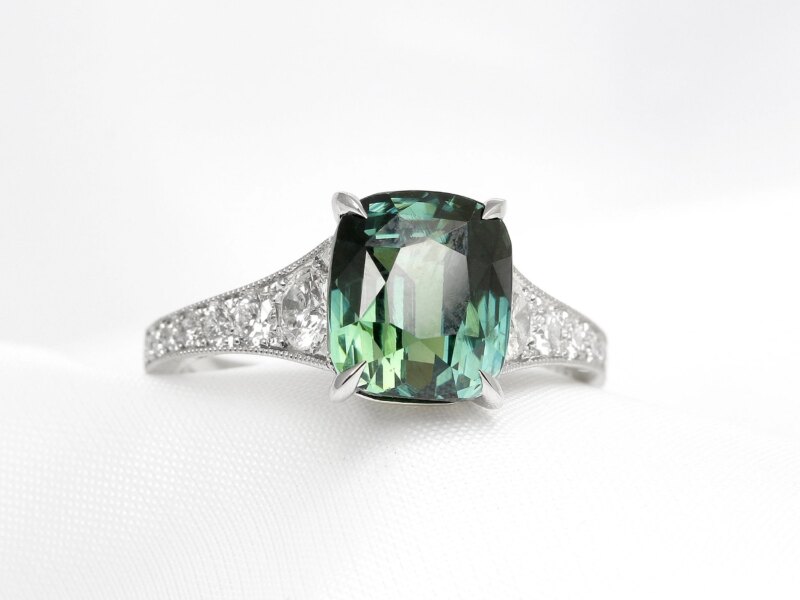
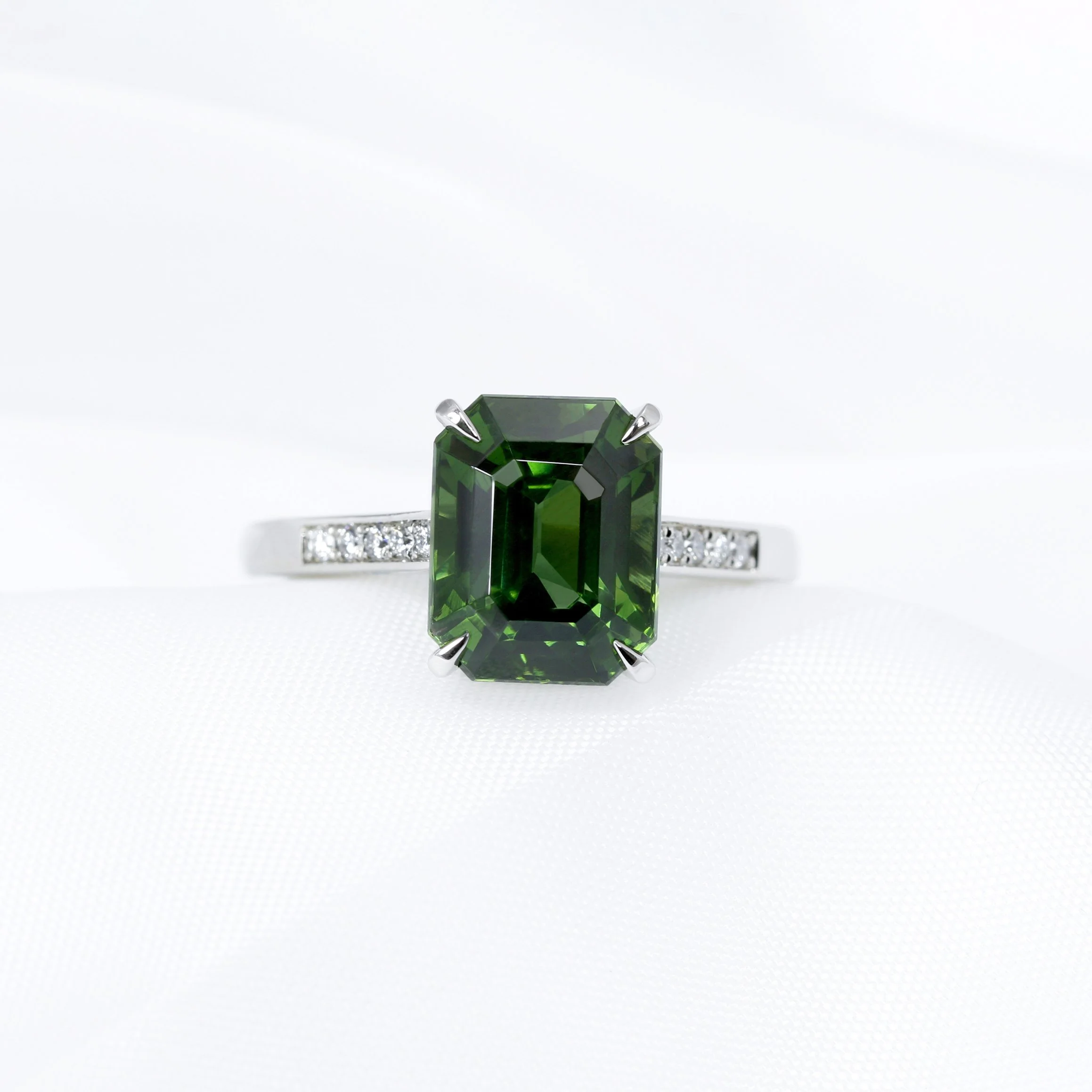
Teal Sapphire & Diamond Ring
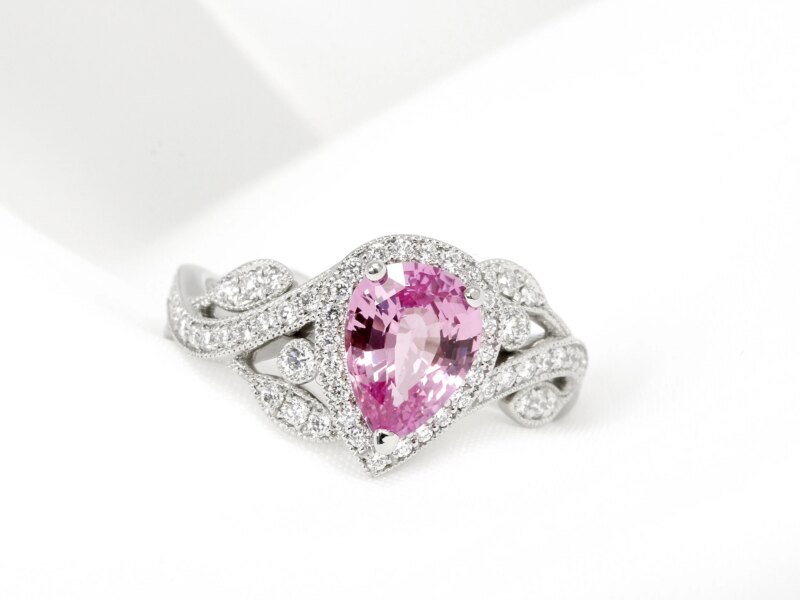
Pink Sapphire & Diamond Ring in Platinum
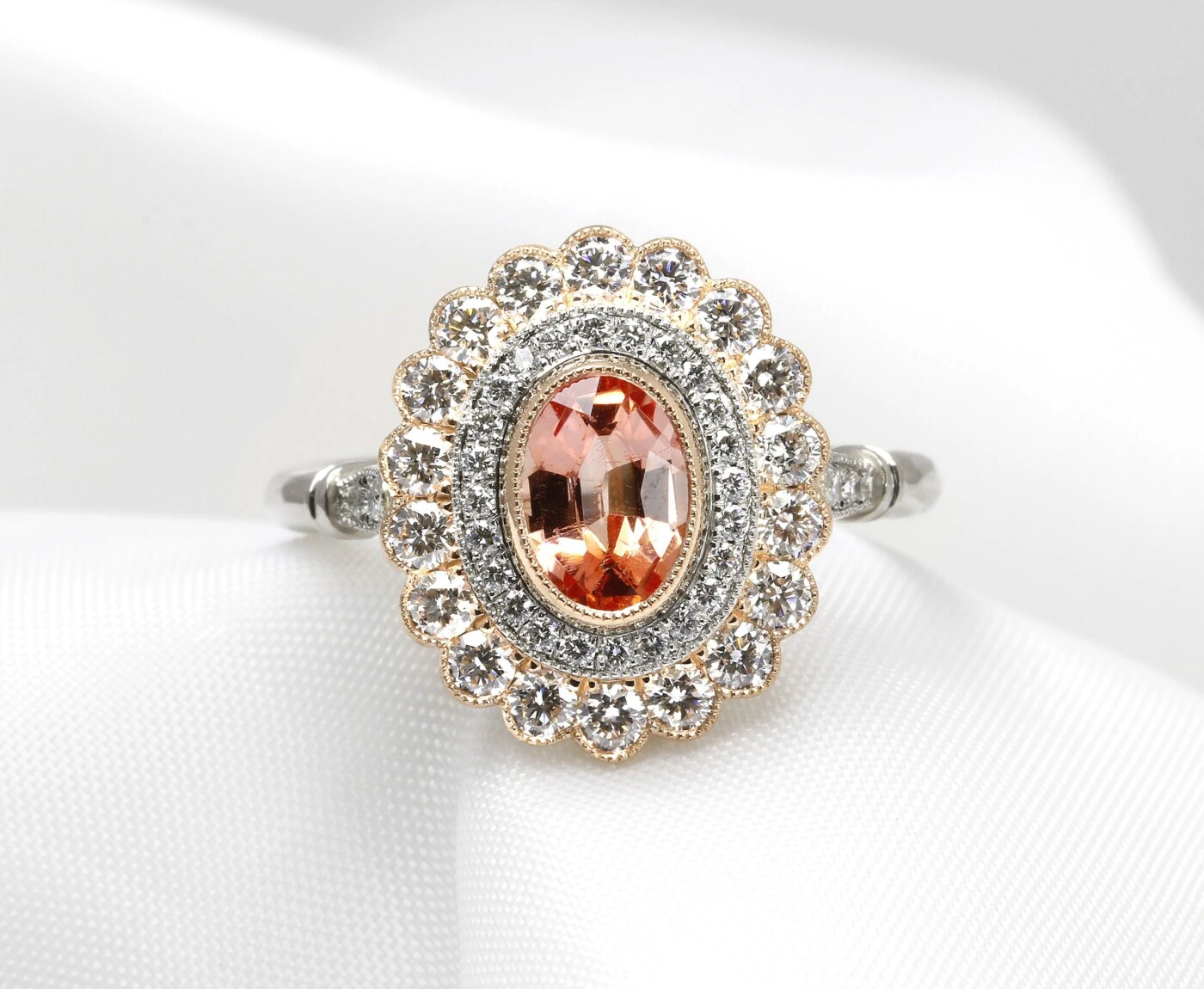
The Life of a Show Girl —this Padparadscha Sapphire and Diamond Cluster Ring £4,250.00 is giving us that showstopping glamour perfectly matching Taylor Swift’s new album!
Browse Our Coloured Sapphire Collection
Teal Magic
Teal and green sapphires possess an almost enchanting quality. Under indoor lighting, their tones lean towards lush green, but step outside into natural daylight and they transform into vivid blue. While subtle colour shifts can occur in all coloured sapphires, it is in the teal varieties that this phenomenon is most striking.
This captivating change is the result of how the gem interacts with light—and how our eyes and brain perceive it. Natural daylight, abundant in blue wavelengths, enhances the sapphire’s cooler tones, creating that vibrant blue. In contrast, indoor artificial light, richer in red wavelengths, draws out the stone’s greener side, revealing an entirely different beauty.
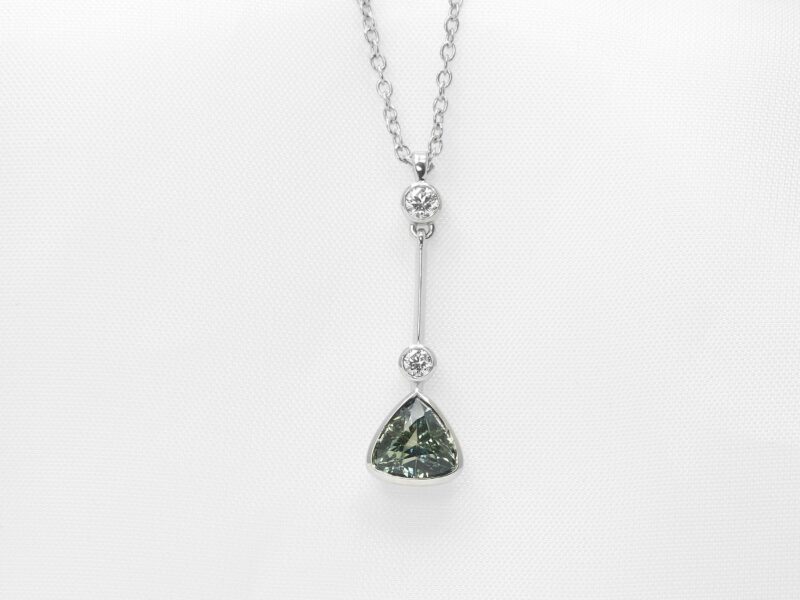
Teal Sapphire and Diamond Drop Pendant
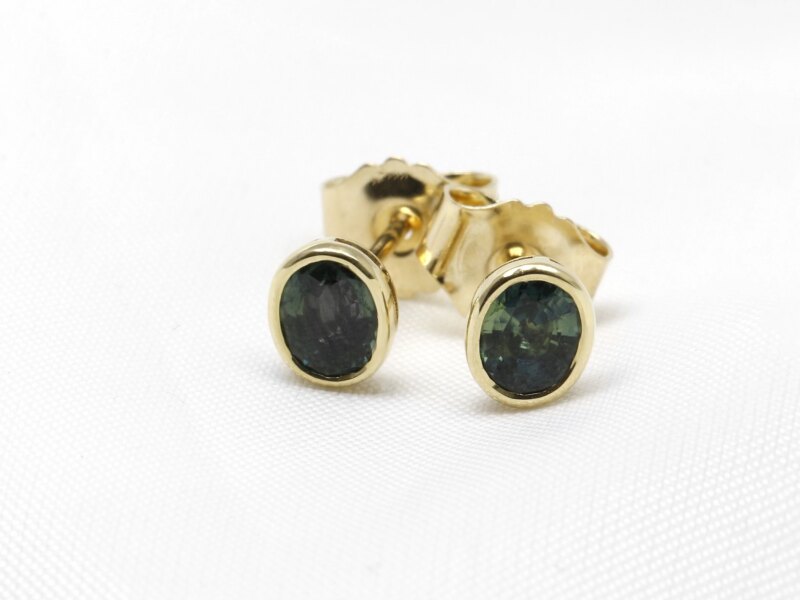
Timothy Roe Teal Sapphire Stud Earrings in Yellow gold
Ethical and Sustainable Sourcing
Water-worn rough pebble sapphires
As consumer awareness around responsible sourcing grows, sapphire mines, like diamonds are focusing on more sustainable options for conscious buyers. Many are mined, especially in Sri Lanka and Australia, via riverbed collection (rather than blasting) and regenerative practices of replacing top soil is being explored.
Sapphires form in metamorphic rocks, pegmatites, and alluvial gem gravels. They are often discovered by hand-sorting gravel rather than through heavy industrial mining and appear as water-worn pebbles which then need cutting and polishing. The majority of coloured sapphire mining is artisanal and small most being family run.
Notable sapphire-producing countries include:
-
Sri Lanka
-
Australia
-
Kashmir (India)
-
Madagascar
-
Myanmar (Burma)
-
Kenya
-
Tanzania
-
Cambodia
-
Vietnam
Most sapphires are precision-cut in Thailand, a global hub known for its exceptional gemstone craftsmanship.
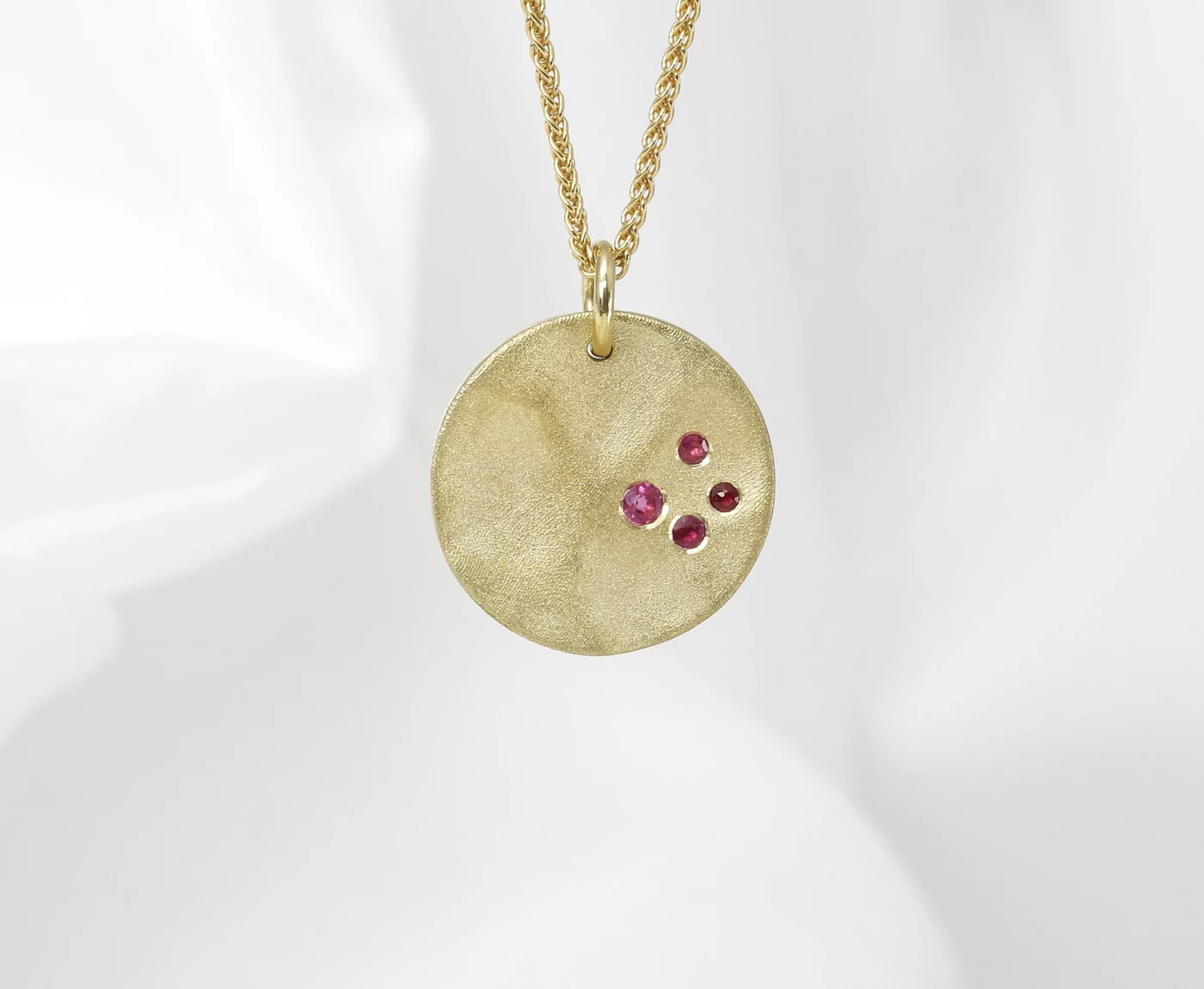
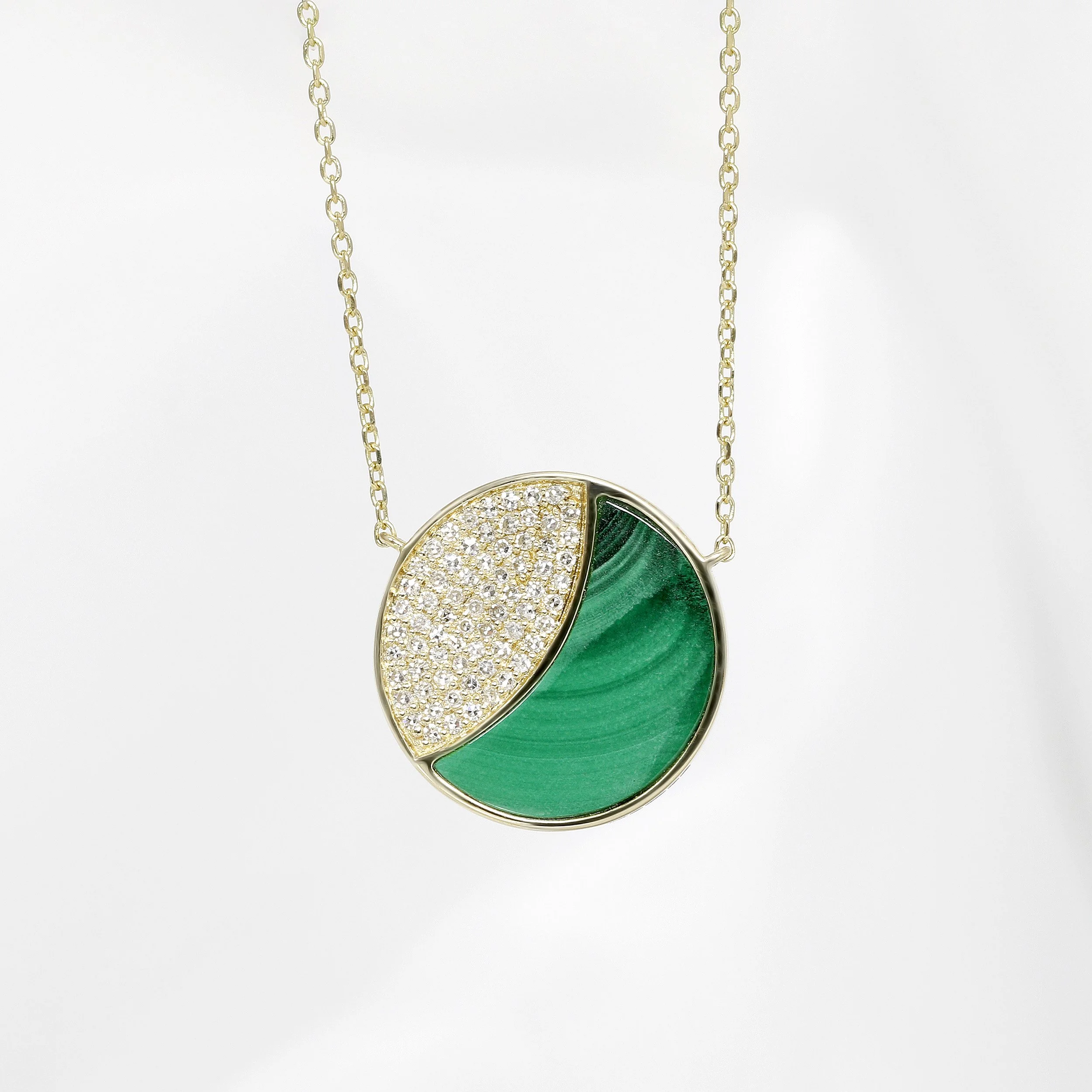
Medium Molten Disk Pendant with Pink Sapphires
Treatments to Enhance Natural Beauty
At Timothy Roe, we’re committed to offering sapphires that honour both nature’s artistry and the integrity of the gemstone.
The majority of sapphires—particularly blues, but also many coloured varieties—are heat-treated to enhance their natural colour and clarity. In their raw state, sapphires often contain minute rutile or boehmite inclusions, giving them a hazy appearance. Gentle heat treatment reduces these inclusions, resulting in a cleaner, more vivid gem without compromising its structure.
While this process is widely accepted in the fine jewellery industry, sapphires that remain untreated yet exhibit exceptional colour and clarity are extremely rare. Such gems often make their way into the prestigious catalogues of Sotheby’s and Christie’s, coveted by collectors who value their purity and provenance.
We do not work with diffusion-treated stones, a process where colour is artificially introduced into the outer layer of the gem. Though such treatments can create vibrant colours, they do not offer the same stability, authenticity, or long-term durability. Instead, we celebrate natural features—delicate growth lines, subtle colour zoning, and tiny inclusions—as the hallmarks of a truly authentic sapphire. These are the details that tell its geological story, and to us, they add immeasurable charm.
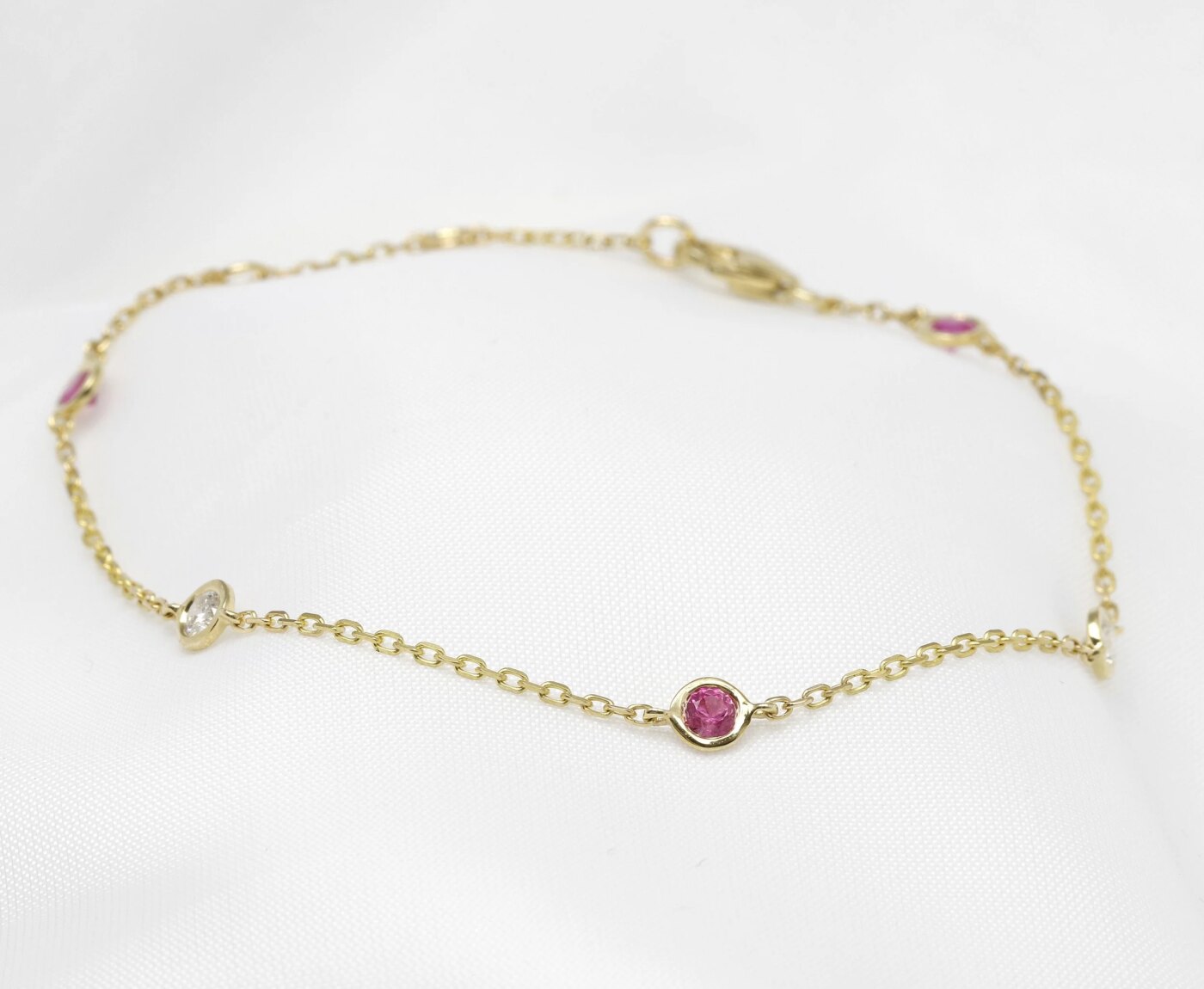
Pink Sapphire and Diamond Station Bracelet in 9ct Yellow Gold
A Gem for Every Chapter
Whether your taste leans towards the romance of a vintage-inspired yellow sapphire halo ring or the sleek sophistication of a minimalist pink sapphire solitaire, coloured sapphires offer an unmatched blend of individuality, history, and enduring beauty. They are gems to be lived with, passed down, and loved for generations—proof that true style knows no single shade. Let us help you design your coloured sapphire piece. Trust our expertise and years of experience—come and view our diverse range of colours and styles and be inspired!
Let Us Create Your Dream Coloured-Sapphire Jewellery-Book An Appointment
If you loved this article you might like to read the one about blue sapphires:
Blog Article: All About Blue Sapphires
Related Posts