

All about Natural Diamonds: An Expert Guide to Diamond Jewellery
Natural diamonds have captivated humanity for thousands of years. From ancient myths to modern engagement rings, they adorn red carpets in Hollywood and iconic celebrities are often featured wearing the biggest most expensive of diamond haute couture jewellery. These remarkable scintillating gemstones symbolise strength, rarity, and enduring beauty. But beyond their sparkle lies a fascinating story of deep-earth origins, unique chemistry, and unmatched durability. This article explores how natural diamonds form, the lore and legends surrounding them, their chemical composition, what makes them unique, the processes the natural diamond industry are taking to ensure conflict-free diamonds and how to care for them properly.
What Is a Natural Diamond?
A natural diamond is a gemstone formed entirely by natural geological processes, without human intervention. Unlike laboratory-grown diamonds, natural diamonds are created deep within the Earth’s mantle over immense spans of time and brought to the surface through powerful volcanic activity. Each natural diamond is a one-of-a-kind product of the Earth’s history, carrying subtle internal features that reflect the geological conditions under which it formed telling a story of its origin.
Timothy Roe Solitaire Diamond Ring with Baguette Shoulders in Platinum £29,995.00
How do Natural Diamonds Form?
Natural diamonds are made of one element; pure carbon and form approximately 140–200 kilometres (90–125 miles) beneath the Earth’s surface in the mantle. Under extreme temperatures of around 900–1,300°C with pressures of roughly 45–60 kilobars (about 50,000 times atmospheric pressure) carbon atoms bond in a highly ordered crystal lattice, forming diamonds. This process takes approximately between one and three billion years. Diamonds reach the Earth’s surface through rare volcanic eruptions that create kimberlite and lamproite pipes. These eruptions are fast and violent, which is essential—if the journey were slower, the carbon atoms would convert into graphite.

Diamond Line Bracelet in 18ct White Gold
Chemical Composition and Crystal Structure of Diamond
At their core, natural diamonds are composed of a single element; carbon and how their carbon atoms are arranged makes them unique. Each carbon atom bonds to four others in a tetrahedral structure, creating a rigid, three-dimensional lattice. In short, they look like two pyramids stuck together at the flat base. This structure is responsible for their exceptional hardness, their high dispersion of light and their strong thermal conductivity. Trace elements or structural irregularities can influence colour, creating fancy diamonds in shades such as yellow, blue, pink, and green. You can read more about fancy coloured diamonds in our previous article here.

Timothy Roe Natural Pink Diamond Cluster Ring in 18ct Rose Gold and Platinum
What Makes Natural Diamonds Unique?
Diamonds rank 10 on the Mohs scale of hardness, making them the hardest natural material on Earth. They are capable of scratching any other gemstone (they can scratch glass, cars and many other surfaces, too!) and resist everyday wear exceptionally well. Diamonds also exhibit strong dispersion, meaning they bend and split light into flashes of white light (brilliance) and rainbow colours (fire), which together create their iconic sparkle.
Most natural diamonds contain tiny internal features known as inclusions. Often described as a diamond’s “fingerprint” or “birthmark,” these characteristics help gemmologists distinguish natural diamonds from laboratory-grown stones. As a diamond forms deep within the Earth under intense heat and pressure, it is in constant motion—shifted, compressed, and formed over time. Fluctuations in temperature and pressure can cause periods of slower growth followed by rapid crystallisation, resulting in stop-start growth patterns that are recorded within the stone. During this process, diamonds may trap other minerals that are forming simultaneously or have already formed, such as peridot, zircon, or garnet. In some cases, carbon does not fully crystallise into diamond and appears as dark inclusions; when these are prominent, the stones are known as salt-and-pepper diamonds. Internal features vary widely and may include feathers, clouds, twinning wisps, pinpoints, needles, mineral inclusions, and fluorescence. Together, these natural characteristics make every diamond unique and provide insight into its remarkable formation journey.

Timothy Roe 1.80ct Total Diamond Solitaire Stud Earrings in 18ct White Gold
Lore, History, and Symbolism
Diamonds have long been surrounded by myth and meaning but interestingly they have always symbolised positive things:
-
In ancient India diamonds were believed to offer protection, strength, and spiritual power. Ancient Roman warriors wore diamonds into battle, believing they granted courage and invincibility while during the Middle Ages diamonds were thought to heal illness and ward off evil spirits. Today, diamonds represent eternal love, commitment, and resilience—largely due to their durability and rarity and the marketing campaign slogan of DeBeers’ “Diamonds are forever.” Whatever your beliefs and heritage, culture and the country you reside in one thing is for certain, you can’t help but fall in love with diamonds and their sparkle.

Timothy Roe Multi-Band Diamond Ring in 18ct Yellow Gold
Fun Facts About Natural Diamonds
-
Some diamonds are over 3 billion years old—older than dinosaurs.
-
Diamonds can conduct heat better than copper and can be tested on thermal and electrical probes.
-
Not all diamonds are transparent; some are naturally black or opaque and can be coloured.
-
A diamond’s sparkle depends more on cut quality than size, colour or clarity. The cut is the most important of the 4Cs which no one talks about! We’ll cover this in a separate article!
-
Tiny diamonds, known as melee, are often used in watches, technology, and precision tools.
-
The word diamond comes from the Greek word adamas, meaning “invincible” and the adjective used in gemmology to describe the brilliant mirror-like surface lustre of a diamond is adamantine.

Timothy Roe Diamond Solitaire Pendant in 18ct Yellow Gold
Durability vs. Toughness: An Important Distinction
While diamonds are extremely hard, they are not indestructible.
-
Hardness refers to resistance to scratching (where diamonds excel).
-
Toughness refers to resistance to breaking (diamonds have natural cleavage planes and are internally brittle when subjected to impact knocks).
Diamonds can chip or fracture if struck sharply along certain crystal directions. Proper care helps prevent damage. Below we have listed some diamond care advice but you can read our in depth article on the durability of diamonds and caring for your precious stones here: “Diamonds are forever… or are they?”

Diamonds Are Forever … Or Are They? Read Our Article On Diamond Durability Here
Care and Maintenance of Natural Diamonds
-
Diamonds are suitable for daily wear but should be removed during heavy physical activities, sports, cleaning, cooking or any manual labour. Avoid wearing diamond jewellery when using harsh chemicals or cleaning products.
-
Clean diamonds with warm water, mild washing up liquid, and a soft baby toothbrush. Rinse thoroughly and dry with a lint-free cloth.
-
Ultrasonic cleaners are generally safe for diamonds but should be avoided if the stone has fractures, has been fracture filled or is heavily included. Salt and Pepper diamonds should not go in the ultrasonic as they have more inclusions and are at higher risk of cracking or shattering.
-
Store diamonds separately from other gemstone jewellery to prevent scratching. Use soft pouches or lined jewellery boxes.
-
Have settings checked periodically by reputable jewellers to ensure stones are secure. Professional cleaning can restore brilliance and remove buildup.

Diamond Daisy Cluster Pendant in White Gold
Sourcing, Origin, and Ethical Practices
Where Natural Diamonds Come From
Natural diamonds are sourced from a small number of regions around the world where the right geological conditions exist. Major diamond-producing countries include:
Botswana
Canada
South Africa
Namibia
Angola
Russia
Australia (historically)
Diamonds are typically extracted through large-scale mining operations (open-pit or underground) or alluvial mining, where diamonds are recovered from riverbeds and coastal areas (Namibia) after being naturally transported from their original volcanic source. They are exported for cutting and polishing and grading where they are then sold to diamond trading centres (known as Diamond Districts or Bourses/Exchanges) where they are then sold via digital trading platforms to jewellers world wide.

Timothy Roe Marquise Diamond Cluster Ring in 18ct Yellow Gold

Timothy Roe Square Modified Brilliant Cut Diamond Ring in 18ct Yellow Gold
Ensuring Conflict-Free and Responsible Diamonds
Over the past few decades, the diamond industry has made significant efforts to improve transparency, ethics, and accountability throughout the supply chain. Several international organisations play a key role in ensuring that natural diamonds are sourced responsibly.
The Kimberley Process (KP) www.kimberleyprocess.com
The Kimberley Process Certification Scheme was established in 2003 to prevent the trade of conflict diamonds—rough diamonds used to finance armed conflict after the atrocities that happened in Sierra Leone. Participating countries commit to trading diamonds only with other Kimberley Process members. Rough diamonds must be sealed in tamper-resistant containers and accompanied by official KP certificates. Today, over 99% of the world’s rough diamonds are traded through Kimberley Process participants. While not without criticism or limitations, the Kimberley Process remains a foundational framework for eliminating conflict diamonds from the global supply chain.
The World Jewellery Confederation (CIBJO) https://cibjo.org
CIBJO, the World Jewellery Confederation, sets international standards for responsible practices across the jewellery industry. They develop globally recognised Blue Books covering diamonds, coloured stones, pearls, and precious metals promoting ethical sourcing, consumer confidence, and transparent terminology. They work closely with the United Nations, governments, and industry stakeholders so that CIBJO’s standards help ensure consistency, integrity, and trust from mine to market.
The Natural Diamond Council (NDC) www.naturaldiamonds.com
The Natural Diamond Council represents the natural diamond industry and focuses on education, transparency, and sustainability. They provide fact-based information about natural diamonds, including origin and impact as well as supporting responsible mining initiatives and community development in producing regions. They aim to highlight how natural diamond revenues contribute to healthcare, education, infrastructure, and conservation efforts. The NDC emphasises the positive role natural diamonds can play when sourced responsibly and ethically.

Read Our Article On The Truth Behind Conflict Diamonds
Traceability and the Future of Diamond Sourcing
As consumer expectations around transparency continue to grow, the natural diamond industry has invested heavily in advanced traceability systems that allow diamonds to be tracked more accurately from source to market. These initiatives build on existing ethical frameworks and add an additional layer of verifiable provenance.
Industry-Wide Traceability Efforts
Traceability refers to the ability to follow a diamond’s journey from the mine, through cutting and polishing, and ultimately to the consumer. This helps prevent substitution, improves accountability, and gives consumers greater confidence in the origin of their diamond. Modern traceability is a combination of the following: Secure digital records, independent audits, physical diamond analysis and matching laser inscriptions and certification documentation.
Tracr by De Beers www.tracr.com
Tracr is a blockchain-based diamond tracking platform developed by De Beers to enhance transparency across the global natural diamond supply chain. It works in that each diamond is registered with a unique digital identity based on its physical characteristics. The platform tracks diamonds from mine to cutting, polishing, and retail while blockchain technology helps ensure records are tamper-resistant and verifiable. Tracr is designed to support trust and collaboration across the industry while offering consumers greater assurance about provenance.
CanadaMark Diamonds https://canadamark.com
CanadaMark Diamonds have been pioneers in full diamond traceability for Canadian-mined diamonds since 2014 and were the first company really to implement a type of tracking system for diamonds. Each CanadaMark diamond is independently audited and tracked from mine to market and is laser-inscribed with a unique CanadaMark serial number. Documentation confirms the diamond was responsibly mined in Canada and handled according to strict chain-of-custody protocols. CanadaMark has demonstrated that end-to-end traceability at scale is achievable and has set a benchmark for origin transparency within the natural diamond industry. Read our article on CanadaMark Diamonds here.

Read Our CanadaMark Diamonds Article Here
Transparency as a Continuing Journey
While no system is perfect, the combination of international oversight, technological innovation, and independent verification represents a meaningful step forward. Together, these efforts strengthen consumer confidence and support a more transparent, responsible diamond supply chain.
Community Impact and Giving Back
Large-scale natural diamond mining is not only a source of gemstones, but also a critical economic engine for many remote and rural regions around the world. Unlike most coloured gemstone mining, which is often small-scale or informal, diamond mining is typically conducted by well-funded, regulated companies with the resources to invest in long-term community development.
Supporting Local Communities
Many diamond mines are located in isolated areas with limited alternative sources of employment or infrastructure. In these regions, diamond mining companies often provide the foundation for local economies, supporting entire communities that depend on mining-related income.
Key areas of support include:
-
Employment and Training: Diamond mining companies employ thousands of local workers, offering stable jobs, skills training, and career development opportunities. These roles range from mining operations and engineering to environmental management, gemmology and geology education, administration, and logistics.
-
Fair Wages and Worker Protections: Large-scale diamond operations are subject to labour laws, wage standards, and strict health and safety regulations. This includes protective equipment, safety training, and medical monitoring—protections that are often absent in informal mining sectors.
Investment in Healthcare and Education
Many diamond companies invest directly in essential services that extend far beyond the mine itself:
-
Healthcare facilities: Funding and construction of hospitals, clinics, and mobile health units that serve both employees and surrounding communities.
-
Education: Building and supporting schools, scholarships, vocational training centres, and literacy programs to create opportunities for future generations.
These initiatives often provide the only access to healthcare and education within hundreds of kilometres.
Infrastructure and Regional Development
Diamond mining frequently brings critical infrastructure to remote areas, including:
-
Roads and transportation networks
-
Clean water and sanitation systems
-
Electricity and communications
Such developments improve quality of life and enable broader economic activity beyond mining.
Charities and Community Foundations
Many diamond mining companies fund independent charities and community trusts dedicated to long-term social development. These organisations support:
-
Women’s empowerment and entrepreneurship
-
Youth education and training programs
-
Conservation and environmental stewardship
-
Food security and community resilience initiatives
By reinvesting diamond revenues locally, these programs help ensure benefits continue even beyond the life of a mine. One charity worth mentioning is the Diamonds Do Good organisation. You can read more about their work here: https://diamondsdogood.com.
Diamonds Do Good (DDG): This international nonprofit raises funds from the natural diamond industry to support education, empowerment, and economic stability in diamond-producing communities worldwide (e.g., Northwest Territories, Canada, and Surat, India).
Other notable charities (list is not exhaustive) include:
-
Diamonds for Peace (DFP): DFP operates in Liberia, supporting artisanal diamond miners through training in diamond grading and valuation to ensure they receive fair prices for their work. They also promote the development of sustainable, ethical, and traceable supply chains.
-
The Greener Diamond Foundation (TGD): Founded by MiaDonna, this charity works in Sierra Leone and Liberia to restore land damaged by diamond mining, training former child soldiers and community members to grow food instead of relying on mining.
-
Peace Diamonds Restoration Initiative (PDRI): A project by RESOLVE that restores, rehabilitates, and repurposes abandoned, mined-out lands in Sierra Leone, with support from The Tiffany & Co. Foundation, Brilliant Earth, and the Gemological Institute of America.
-
Sentebale: Co-founded by Prince Harry and Prince Seeiso to support the mental health and well-being of children and young people affected by HIV in Lesotho and Botswana, both major diamond-producing countries.
-
SSC Diamond Charity Project: Focuses on the empowerment of disadvantaged communities in Kimberley, South Africa, by dedicating a fixed percentage of proceeds from their diamond sales to support education, employment, and local development.
-
Young Diamantaires: A group of young professionals in the diamond industry (from mining to retail) that works with the World Federation of Diamond Bourses (WFDB) on charitable projects, such as supporting schools near the Venetia Diamond Mine in South Africa.
-
The International Miners’ Mission: A registered charity focused on supporting workers in mining communities.
Industry-Led Charitable Efforts:
-
De Beers Group: The company supports various community initiatives, including the “ReSet” initiative, which collaborates with jewelry designers to create pieces for auction to benefit community and conservation programs.
-
Diavik/Gahcho Kué/Burgundy Diamond Mines: These mines in the Northwest Territories, Canada, collaborate on local charitable efforts, such as the Adopt-A-Family program, and support local Indigenous-owned businesses and education.
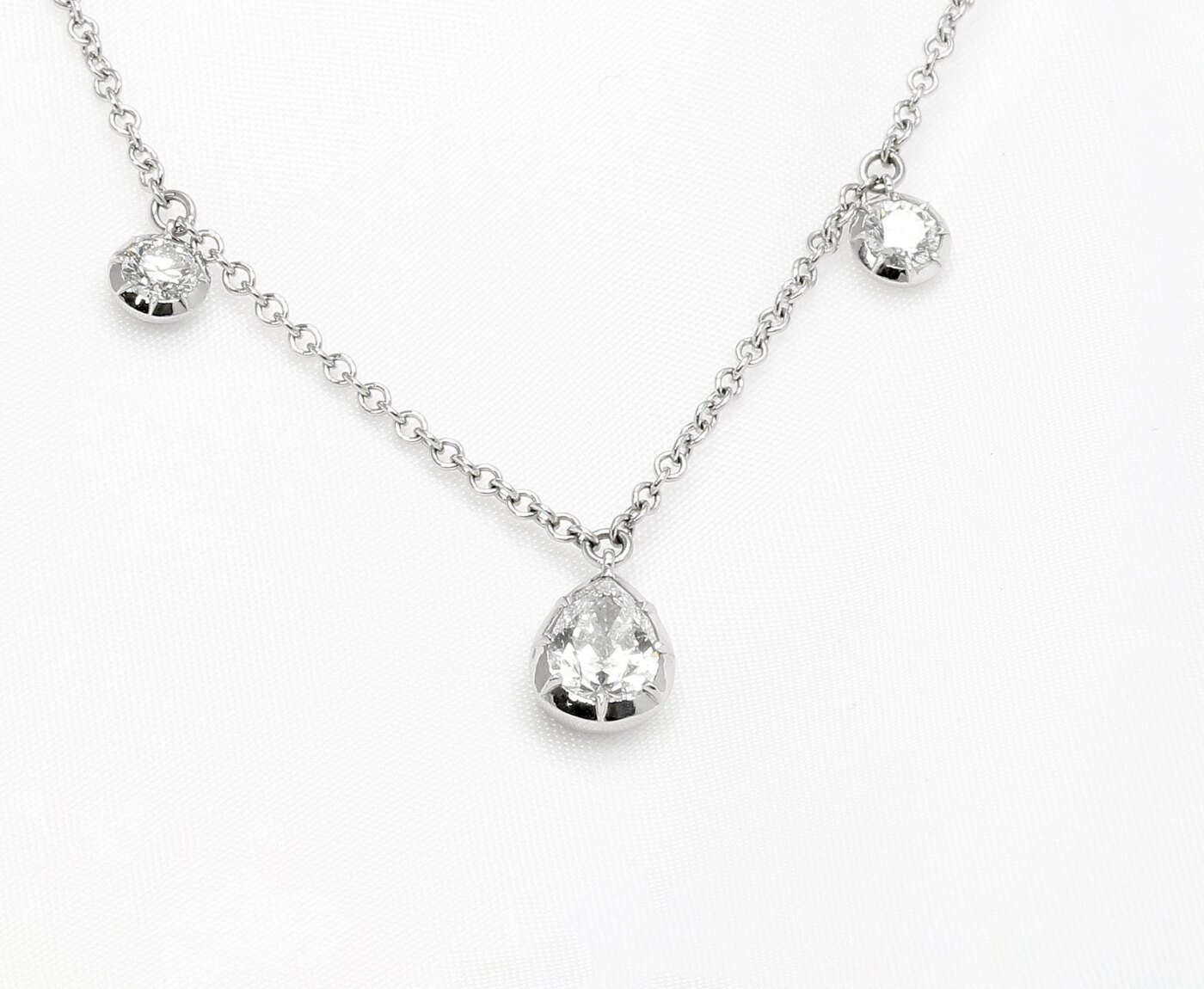
Timothy Roe Georgian Cut Down Set Diamond Necklace
Why Mining Matters for Communities
In many diamond-producing regions, removing mining without viable alternatives can have devastating consequences. Entire communities may lose their primary source of income, leading to widespread unemployment, poverty, higher numbers of suicides, and loss of access to healthcare and education. Botswana’s President Duma Boko declared a public health emergency last year (summer 2025) because of a shortage of essential medicines and medical equipment. Workers have also been made redundant and are struggling to pay bills as a result of increased laboratory-grown diamond sales affecting the market. This is the same for India and Canada. The economy in the world’s top diamond producer by value (Botswana) has been hit by a downturn in the natural precious stone’s international market and natural diamond prices have consequently fluctuated slightly in their value on the global markets.
Because diamond mines are often located in rugged, sparsely populated terrain with few other economic options, responsible diamond mining plays a crucial role in sustaining livelihoods, independence and supporting long-term development.
Why Natural Diamonds Continue to Endure
Natural diamonds combine extraordinary physical properties with deep cultural meaning. Their journey—from deep within the Earth to carefully regulated sourcing and cherished heirlooms—adds a layer of significance that few other gemstones can match. Whether admired for their science, history, or symbolism, natural diamonds remain timeless treasures shaped by nature and guided by responsible sourcing and giving back to the mining communities they were unearthed in.
Natural diamonds are not just gemstones; they are fragments of Earth’s deep past, polished by time and protected through modern ethical practices. They tell a story of the past, present and future.

Timothy Roe Diamond Half Eternity Ring in Platinum
Related Posts