
Emerald Jewellery


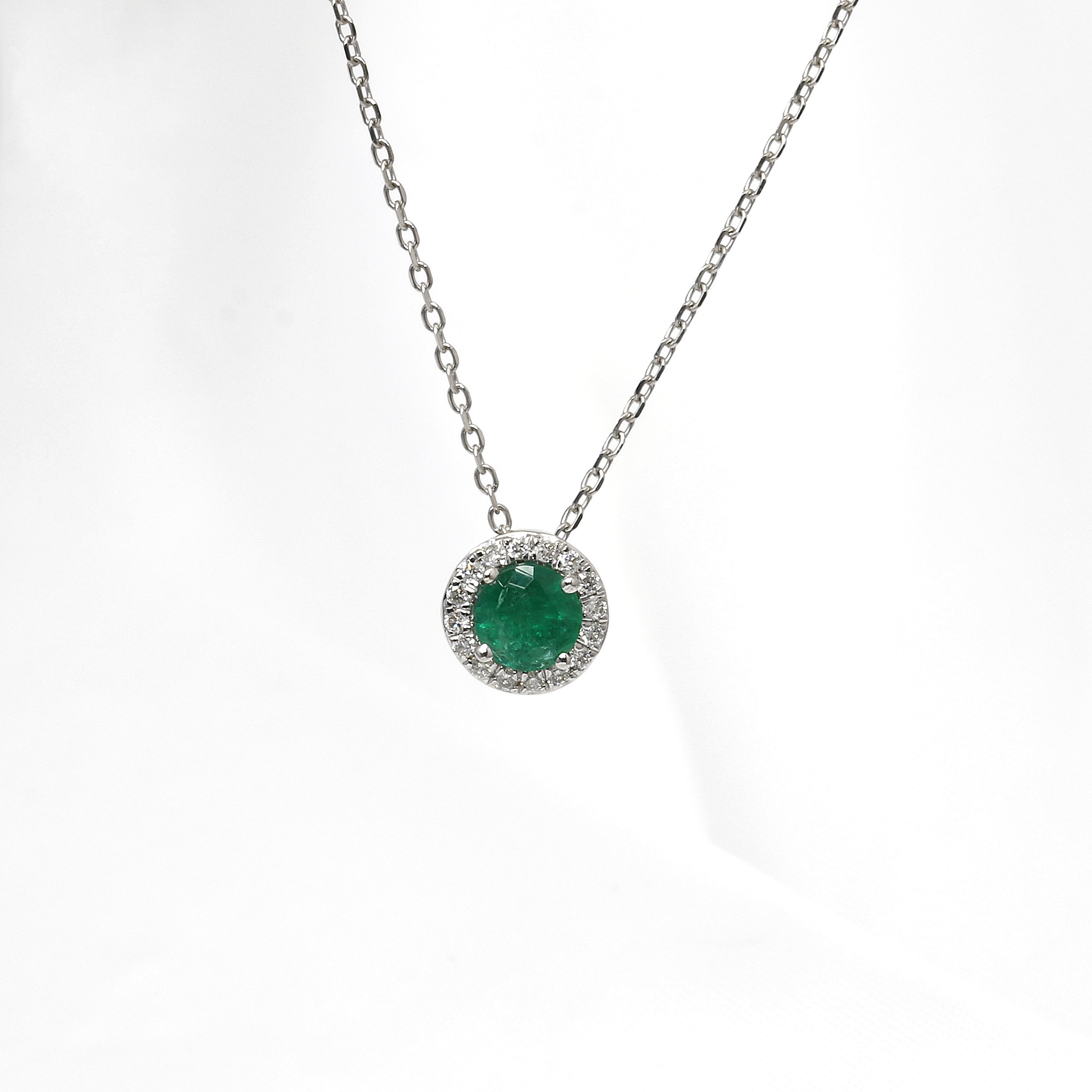


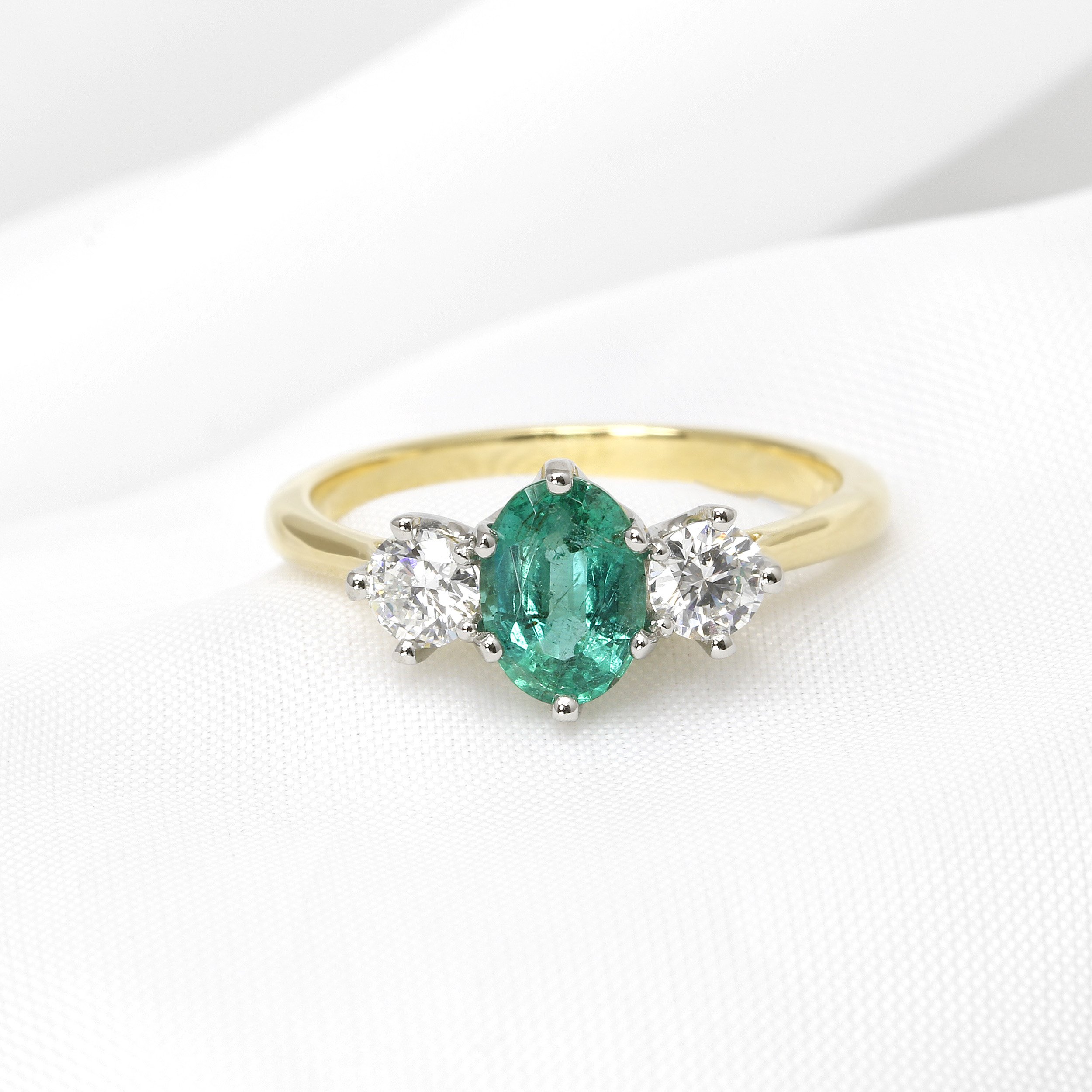


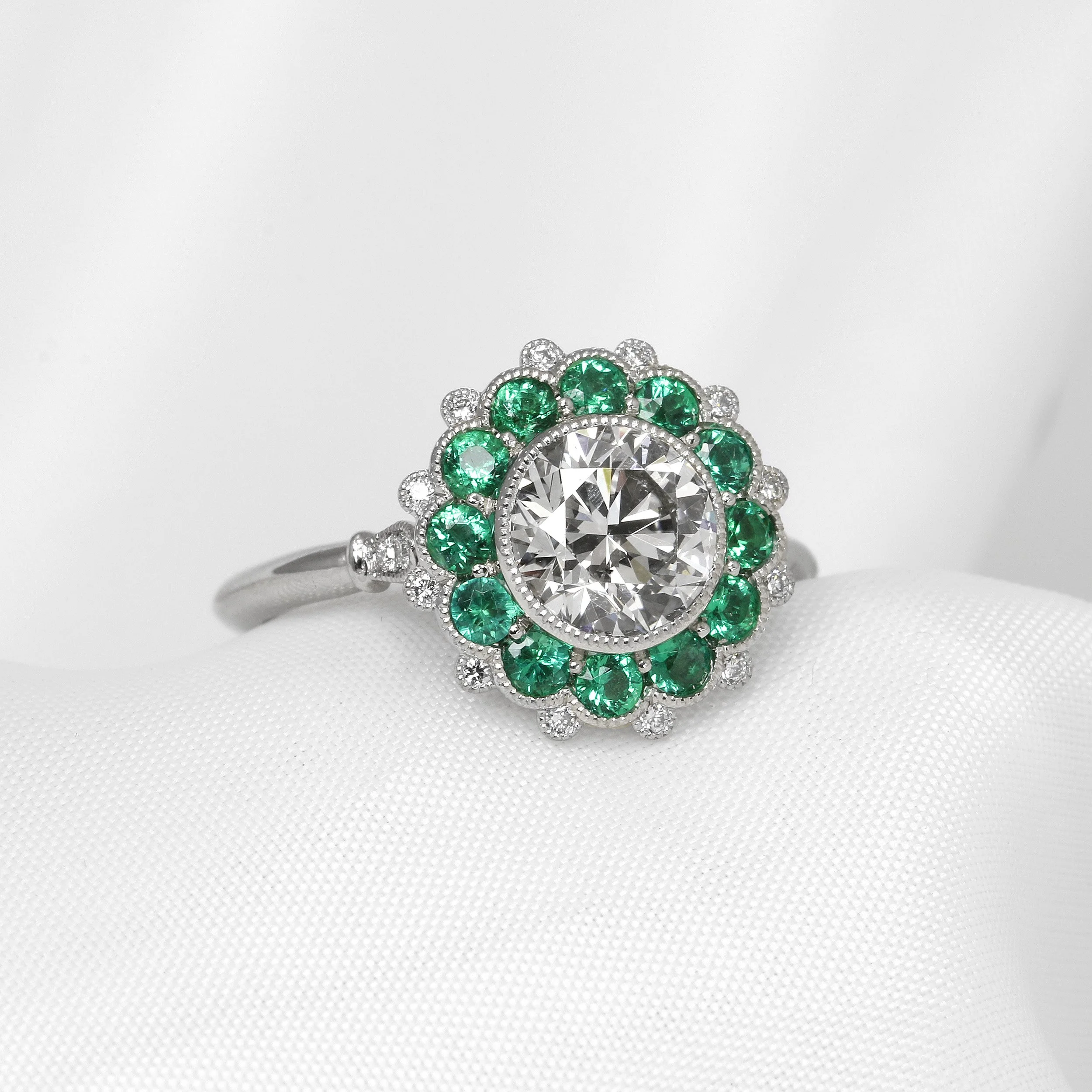


Discover Emerald Jewellery
Celebrated for its unmistakable green colour, emerald is one of the world’s most treasured precious gemstones and the traditional birthstone for May. A variety of the mineral beryl, emerald stone colours range from bluish green to pure green, with colour generally considered the most important factor when assessing its quality.
The finest stones combine vivid colour with excellent transparency, creating the rich appearance for which emerald jewellery is loved. Emeralds pair beautifully with precious metals such as yellow and white gold, while silver offers an elegant, cooler-toned setting.
You can learn even more about emeralds in our article, All About Emeralds.
What are inclusions in emeralds?
Unlike diamonds, emeralds commonly contain inclusions visible to the naked eye. These internal characteristics can resemble moss, branches or foliage and are affectionately known in the jewellery world as jardin, which is French for ‘garden’.
Rather than expecting every emerald to be perfectly clear, inclusions are an accepted part of their character and something gemmologists look for to tell them apart from synthetics. Natural emeralds with very few visible inclusions are particularly rare, while too many inclusions and a milky haze reduce a stone’s transparency which can affect its value.
Why are emeralds treated with oil?
Many natural emeralds have tiny fissures that can reach the surface. For centuries, cedar oil and other oil fillers have been used to make these fissures less noticeable and improve the stone’s apparent clarity. This is a widely accepted treatment rather than something unusual in emerald jewellery. Cedar oils do not have to be disclosed; they are natural but are not permanent. Re-oiling emeralds periodically is a normal and recommended service to keep the emerald looking beautiful.
However, if permanent epoxy resins like ‘Opticon’ are used as a filler, this must be disclosed and will affect the value as it is an artificial product. When choosing an emerald, treatment is therefore one of several characteristics to consider alongside its colour, clarity, cut and carat weight.
How should you care for emerald jewellery?
Emerald measures around 7.5–8 on the Mohs hardness scale, but its natural inclusions mean it deserves thoughtful care. The safest way to clean emerald jewellery at home is gently with lukewarm, soapy water but do not submerge emeralds. Ultrasonic and steam cleaners should be avoided, particularly because they can cause the oil to seep out of the stones. It is also sensible to protect your emerald from knocks, excessive heat and harsh chemicals.
Why choose bespoke emerald jewellery from Timothy Roe Fine Jewellery?
An emerald is naturally distinctive, making it a wonderful starting point for bespoke jewellery. At Timothy Roe Fine Jewellery, our pieces are created at our Chichester workshop, where traditional goldsmithing skills meet modern jewellery-making technology.
Our friendly, experienced team can guide you through choosing an emerald and developing a design that complements its individual colour, cut and character. Whether you are considering a bespoke emerald engagement ring or wedding jewellery, a meaningful anniversary pendant necklace, or simply something beautiful to call your own, we offer honest guidance and a relaxed, personal experience.
Schedule your complimentary consultation with our team today to begin creating your bespoke emerald jewellery.