All About Spinels: An expert guide to this unique gemstone
For many years, spinel quietly sat in the shadows of more famous gemstones like ruby and sapphire. Similar in appearance, available in a spectacular range of colours, and often found alongside these precious gems, spinel was frequently mistaken for something it wasn’t and as such was often named the famous imposter gem. Today, however, this remarkable gemstone is finally receiving the recognition it deserves.
So, what exactly is a spinel? Where does it come from? Why is it becoming one of the fastest-growing trends in fine jewellery, particularly in the United States, and why are jewellers in London now seeing increased demand?
As gemstone dealers are being asked for more spinels than ever before, we thought it was the perfect time to introduce this fascinating gem. You may even be surprised to learn that fine natural spinel is actually rarer than ruby. While it still remains more affordable than a comparable ruby, growing demand and limited supply are steadily increasing its value, making now an exciting time to discover this beautiful gemstone.
What is Spinel?
Spinel is a natural gemstone in its own right and should never be thought of simply as a substitute for ruby or sapphire. Chemically, it is a magnesium aluminium oxide. Although it is found in similar geological environments with corundum (the mineral family that includes ruby and sapphire), it is an entirely different mineral.
Spinel forms naturally in beautiful octahedral crystals and is singularly refractive, giving rough stones a striking geometric appearance that is somewhat reminiscent of rough diamonds and cleaved fluorite. It measures 8 on the Mohs hardness scale, making it an excellent choice for everyday jewellery such as engagement rings, pendants and earrings. While not quite as hard as sapphire or diamond, it is still highly durable and resistant to everyday wear.
One of spinel’s greatest strengths is its toughness. Unlike diamonds, which have natural cleavage planes that can make them vulnerable to splitting if struck in the wrong direction, spinel has no distinct cleavage. This makes it particularly resilient and well suited to jewellery that will be worn regularly. Of course, like all gems it can still chip or fracture but generally it has good internal toughness.
Spinel also has a beautiful vitreous (glass-like) lustre and takes an exceptional polish, allowing well-cut stones to display outstanding brilliance and sparkle.
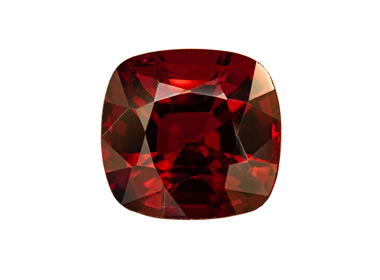
Red Spinel Gemstone. Image courtesy of geology.com
Where Does Spinel Come From?
Spinel is mined in several locations around the world, with each source producing its own distinctive colours and characteristics.
Myanmar (Burma) is perhaps the most famous source of fine spinel, producing some of the world’s most sought-after vivid reds and vibrant hot pinks. Many collectors consider Burmese spinels to be among the finest ever discovered.
Sri Lanka has been an important source for centuries and is renowned for its broad pastel colour palette, including delicate lavender, violet, pink and beautiful shades of blue.
Afghanistan and Tajikistan produce some of history’s most legendary spinels. These regions are known for large, richly saturated crimson stones that have adorned royal collections for hundreds of years.
Tanzania has become famous for exceptionally bright, saturated colours, while Vietnam is highly regarded for producing rare cobalt-blue spinels that command premium prices.
Other notable sources include Brazil, Kenya, Canada, where rare blue material has been found, and Madagascar, which has become an increasingly important supplier of high-quality spinels in recent decades.
The Stunning Colours of Spinel
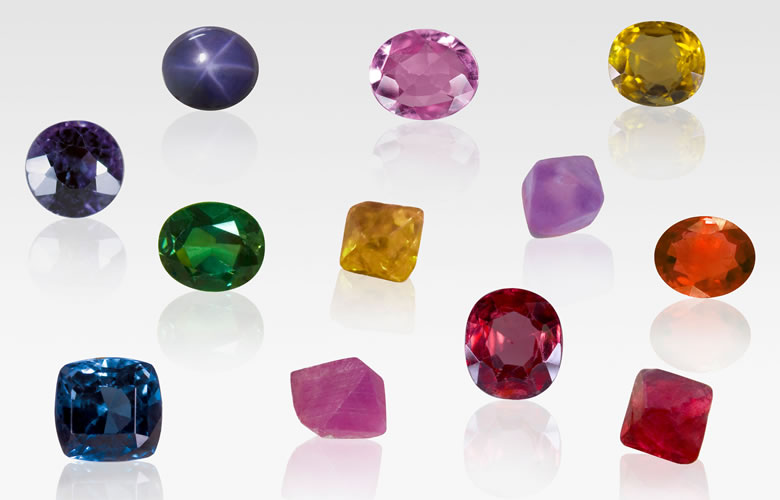
One of the reasons spinel has become so desirable is its incredible range of natural colours. Unlike many gemstones that are known for only one or two colours, spinel occurs in an extraordinary rainbow of hues.
Natural spinels can be found in:
- Red
- Pink
- Orange
- Purple
- Lavender
- Blue
- Grey
- Black
- Violet
- Various pastel shades of these colours
The rarest and most valuable colours are vivid red, cobalt blue, electric pink and bright orange. These highly saturated stones are especially sought after by collectors and jewellery lovers alike.
The rich red colour in spinel is caused by chromium, the same trace element responsible for colouring both rubies and emeralds. This explains why fine red spinels can look remarkably similar to high-quality rubies.
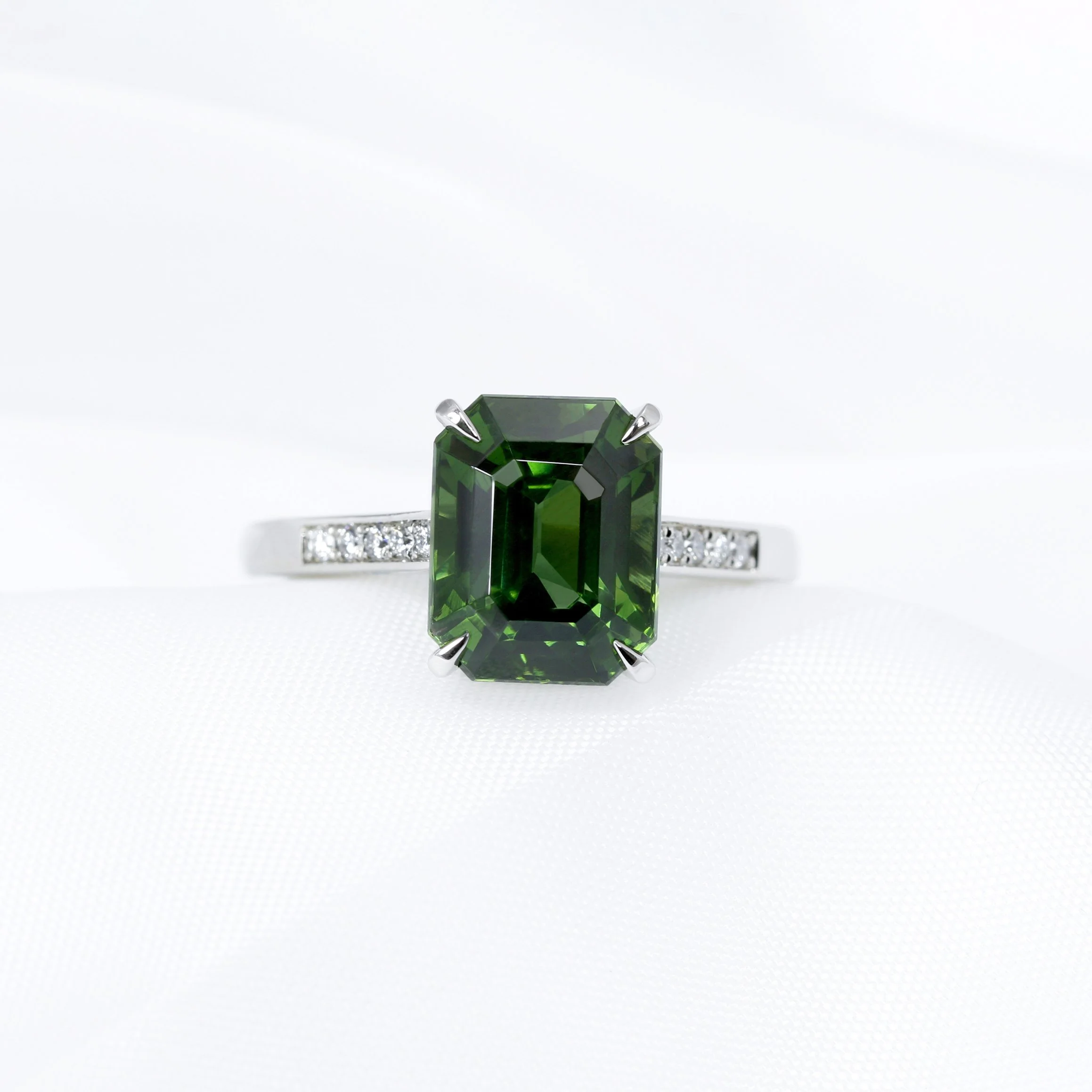
Blue spinels owe their colour to trace elements such as cobalt or iron, depending on the locality, with genuine cobalt-blue spinels among the rarest coloured gemstones in the world. Natural green spinel is by far the rarest and accounts for less than 1% in the world.
Those looking for something softer often fall in love with pale lavender and pastel pink spinels, which offer excellent value while remaining elegant and distinctive.
Spinel is most commonly cut into round, oval and cushion shapes. When expertly cut, spinel displays exceptional brilliance thanks to its excellent transparency and high refractive properties.
Various shades of spinel gemstones including star spinel stones. Image courtesy of geology.com
A Gemstone Fit for Kings and Queens
Spinel has one of the most fascinating histories in the gemstone world.
For centuries, it was mistaken for ruby because the two gems can appear almost identical to the naked eye. Many famous “rubies” in royal collections around the world have since been identified as spinels.
One of the best-known examples is the Black Prince’s Ruby, which sits in the front of the British Imperial State Crown. Despite its name, this famous gemstone is actually a magnificent red spinel weighing approximately 170 carats.
Another celebrated example is the Timur Ruby, also part of the British Crown Jewels. Once again, despite centuries of being described as a ruby, it is in fact a spectacular spinel.
In Myanmar, spinels have long been known as nat thwe, meaning “polished by the spirits”, reflecting the local belief that these gems possessed mystical qualities.
Some historical spinels were known as “Balas Rubies”, named after the ancient Balascia region where many were mined. Before modern gemmology existed, there was simply no reliable way to distinguish spinel from ruby.
In fact, the need to separate these two gemstones helped drive the development of modern gemmology itself. Spinel played an important role in advancing our scientific understanding of gemstones and was part of the reason for founding the first gem lab in 1908: The Gemmological Association of Great Britain.
Spinel has also recently been added as an official August birthstone alongside peridot, offering those born in August a colourful alternative that many find more versatile and wearable.
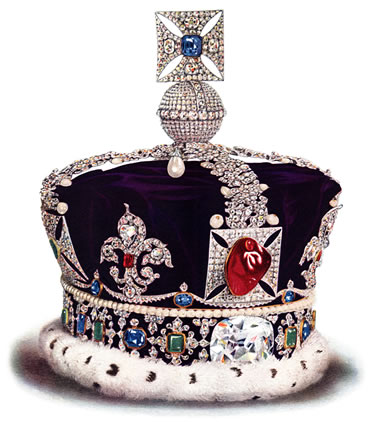
The Black Prince’s Ruby is a large, irregular cabochon red spinel weighing 170 carats (34 g) set in the cross pattée above the Cullinan II diamond in the crown. Image courtesy of geology.com.
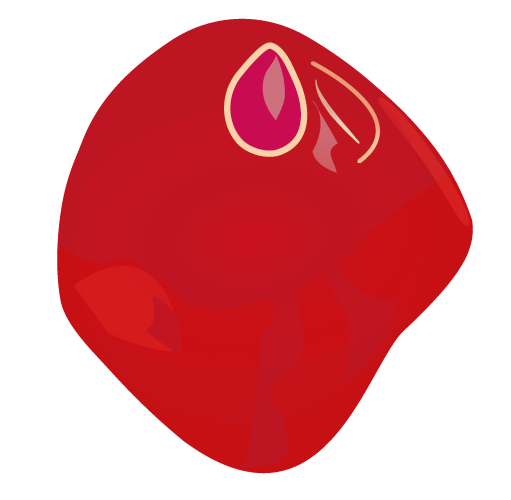
The Great Imposter–this red spinel was thought originally to be a ruby. A natural ruby has since been set into the red spinel. This spinel is also considered to be cursed!
Why is Spinel Suddenly So Popular?
There are several reasons why spinel is becoming a sought after gemstone in today’s jewellery market.
The biggest factor is the increasing scarcity of fine-quality ruby and sapphire. Gem-quality stones with exceptional colour and clarity are becoming harder to source, and the prices of the finest examples continue to rise dramatically.
For many jewellery buyers, spinel offers an attractive alternative. It provides exceptional beauty, excellent durability and vibrant natural colours at a more accessible price point.
Another reason is changing consumer tastes. Today’s jewellery buyers are looking for individuality rather than tradition. Rather than choosing the same gemstones everyone else owns, many people want something distinctive and slightly unexpected.
Spinel perfectly fits this trend. It offers a huge variety of colours, is still relatively unknown to the general public and often becomes a wonderful conversation piece.
Collectors are also increasingly recognising spinel’s rarity. Fine untreated spinels are considerably less common than many people realise, and as awareness grows, demand continues to increase and so will the price.
Are Spinels Treated?
One of spinel’s greatest attractions is that it isn’t always heated. Occasionally, some spinels may undergo heat treatment to intensify colour or improve clarity but unlike the vast majority of rubies and sapphires, which are routinely heat-treated to improve their colour and clarity, natural spinels do not always require enhancement at all. They emerge from the earth displaying their beautiful natural colours, needing only skilled cutting and polishing.
This natural beauty makes untreated spinels particularly desirable among gemstone enthusiasts and collectors.
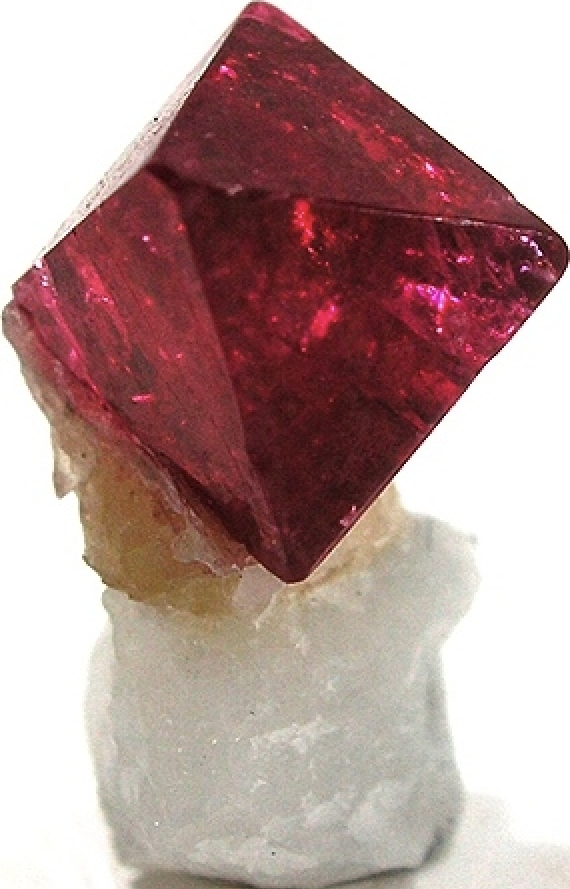
Red spinel crystal on calcite from Mgok. Image courtesy of Wikipedia.com.
Why Choose a Spinel?
If you’re looking for a gemstone that combines beauty, rarity and excellent value, spinel is an outstanding choice. Greys and lavender tones are particular popular for people looking for something unique.
Spinel offers exceptional brilliance, remarkable durability and a huge variety of naturally occurring colours. It is suitable for everyday wear, requires very little maintenance and is more of an affordable gemstone depending on the desired hue.
Whether you’re searching for an unusual engagement ring, a colourful pendant or simply a gemstone that stands apart from the crowd, spinel deserves serious consideration.
As more people discover this remarkable gem, its popularity continues to grow. While it remains more affordable compared with rubies and sapphires, increasing demand means this may not always be the case. For many collectors and jewellery lovers, spinel represents one of the most exciting coloured gemstones on the market today.
Frequently Asked Questions
Is spinel a real gemstone?
Yes. Spinel is a completely natural gemstone with its own mineral species. Although it was historically mistaken for ruby, it is not an imitation or synthetic alternative.
Is there a synthetic equivalent?
Synthetic spinel has existed since the mid 1800s by the Verneuil Flame Fusion method and produced in the same way as synthetic sapphire (since 1902). It is often found in antique jewellery so caution is advised when buying spinels or vintage pieces online because synthetics are very common.
Is spinel rarer than ruby?
Fine natural red spinel is generally considered rarer than ruby. However, because ruby has traditionally enjoyed greater recognition and demand, spinel has often remained more affordable.
Can spinel gemstones be worn every day?
Absolutely. With a hardness of 8 on the Mohs scale and excellent toughness, spinel is well suited to everyday jewellery, including rings, earrings and pendants.
What is the rarest colour of spinel?
The rarest and most valuable colours include vivid red, cobalt blue and intensely saturated neon pink spinels. Stones with exceptional colour and clarity can command impressive prices.
Does spinel need any treatments?
Many natural spinels are not enhanced, making them unusual among coloured gemstones. They do not require oiling like emeralds, nor irradiation like topaz and generally will only undergo heat treatment to induce their colours.
Is spinel a birthstone?
Yes. It was decided by the American Gem Trade Association in 2016 that Spinel would be officially considered as an August birthstone. This is probably good news for those August babies who do not like the lime green colour of peridot or the banded orange-brown-white sardonyx.
How should I clean spinel jewellery?
Spinel jewellery can usually be cleaned safely with warm water, mild washing-up liquid and a soft brush. Avoid harsh chemicals, chlorine pools and ultrasonic cleaning if your jewellery contains other gemstones that may be more delicate.
Is spinel a good choice for an engagement ring?
Yes. Thanks to its durability, natural brilliance and wide range of colours, spinel makes a beautiful and distinctive alternative to traditional engagement ring gemstones. Its rarity and individuality also appeal to couples looking for something truly unique.
If you’re curious and would like to know more about spinel gemstones or want to learn about our bespoke jewellery services schedule a free consultation here or pop in to see us. We look forward to welcoming you to our showroom and onsite workshop.
Related Posts