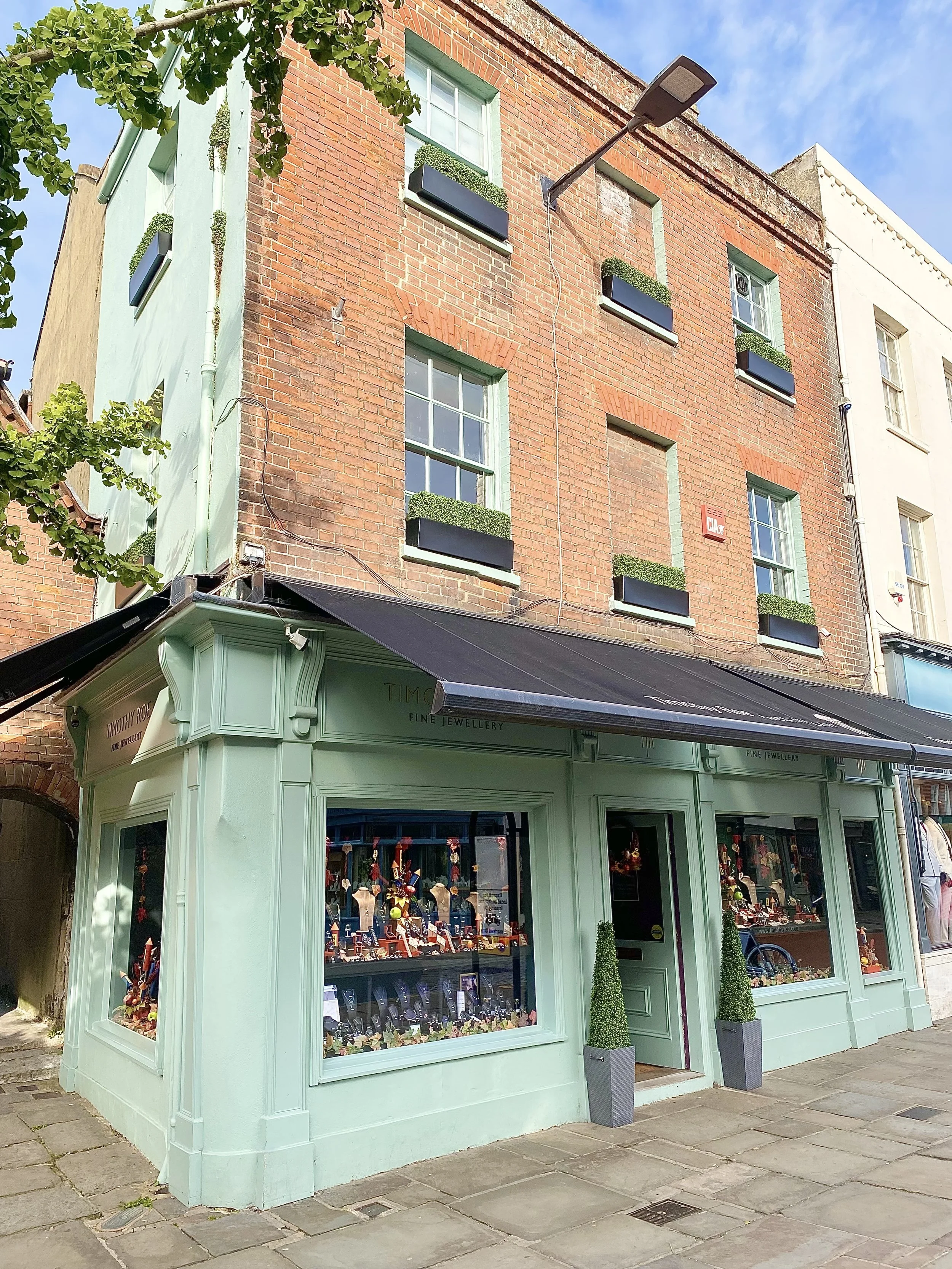
The Timothy Roe Story: 30 Years
The Timothy Roe Story: Celebrating 30 Years of Bespoke Jewellery and Craftsmanship in Chichester
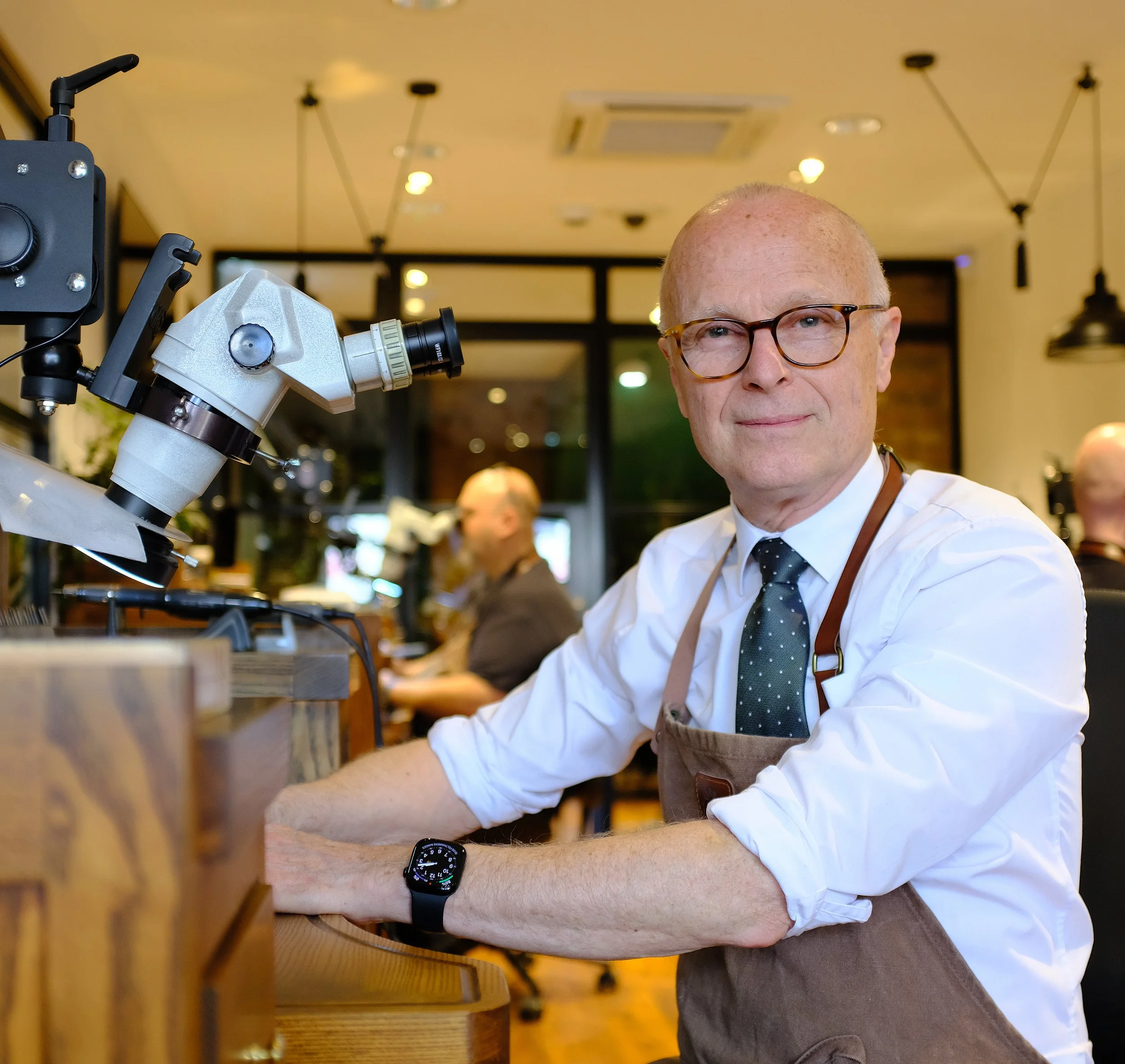
This year marks a significant milestone for Timothy Roe as we celebrate 30 years in business — three decades of creativity, craftsmanship and a commitment to excellence in fine jewellery.
Behind every independent business is a story — years of dedication, creativity and countless unseen hours of hard work. As Timothy Roe celebrates 30 years in business, we wanted to take the opportunity to look back at how it all began and the journey that has shaped the jewellery shop so many people know and love in the heart of Chichester.
Tim Roe is not a man who spends much time talking about himself. He’s usually far more comfortable at the workbench designing jewellery, in the workshop discussing a new commission, or quietly sketching ideas for the next piece. In fact, it’s quite rare to get him to sit still for five minutes.
So when the opportunity finally presented itself, we seized it.
In this special feature, we share the story of how Timothy Roe began — from Tim’s early influences and first steps into the jewellery trade, to building a thriving workshop and team over the past three decades. We also sat down with Tim to talk about the evolution of the business, the challenges along the way, and where the future of Timothy Roe may be heading next.
It’s a chance to get to know the man behind the jewellery — and the passion, craftsmanship and family values that continue to shape the business today.

Timothy Roe Cushion Sapphire and Trapeze Diamond Three Stone Ring £27,500.00
Born in 1959 and raised in the Chichester area, Tim Roe grew up surrounded by both practicality and artistry. His mother, Mary, was a dedicated nurse, while his father, Charlie, ran a market garden specialising in salad crops. Alongside horticulture, Charlie was also a talented photographer, painter and woodcarver — skills that undoubtedly influenced Tim’s early appreciation for design and craftsmanship.
Tim attended Chichester High School for Boys, where he discovered a natural affinity for art (if not quite the same enthusiasm for homework!). This passion led him to Worthing Art College, where he specialised in painting, printing and product design. It was here that the foundations were laid for a career defined by creativity and precision.
His first step into the jewellery world came through an old school friend, working in the workshop of C.C. Allen & Sonin South Street, Chichester. The experience cemented his interest in the trade and, in 1984, Tim took the bold step of starting his own business in partnership.
While his partner focused primarily on buying and selling antique jewellery, Tim found himself increasingly drawn to the design and making of new pieces — the creative process, the bench work and the transformation of raw materials into something deeply personal and lasting.
In 1995, Tim sold his share of the partnership, determined to build a business that fully reflected his own vision. Many late nights were spent at the workbench designing and crafting rings, often with the family’s golden retriever faithfully keeping him company. It was a period of focus, risk and ambition.
By 1996, the new shop had opened specialising in gold jewellery, diamond rings and bespoke commissions. Demand grew quickly as customers sought something more personal than off-the-shelf designs. Through the early 2000s, the appetite for bespoke jewellery continued to increase, and the business expanded steadily in response.
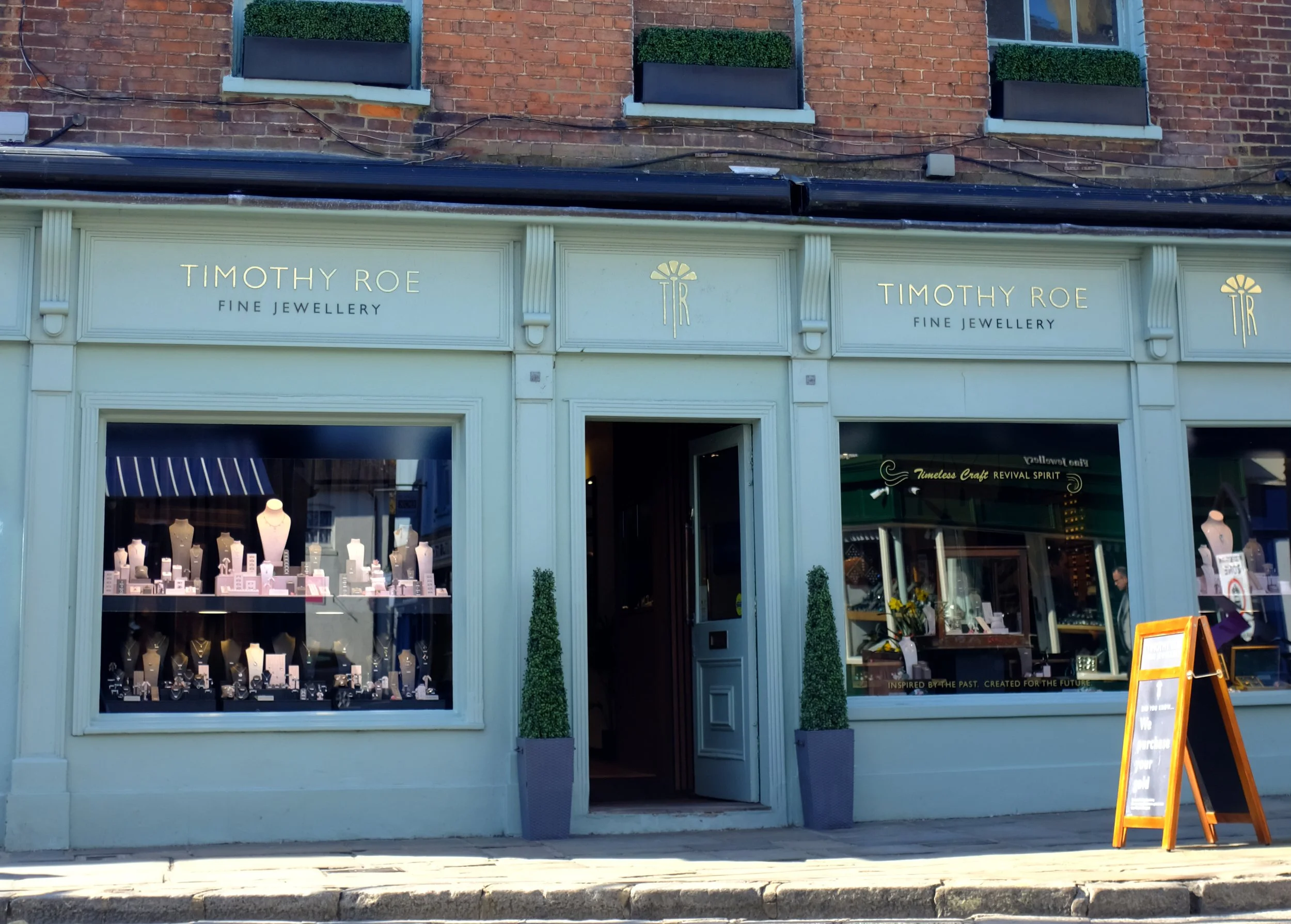
The Timothy Roe showroom has transitioned through many styles and colour schemes over the years. The current rennovation embraces a natural wood and forest green theme with modern industrial accents paying homage to Birmingham jewellery workshops.
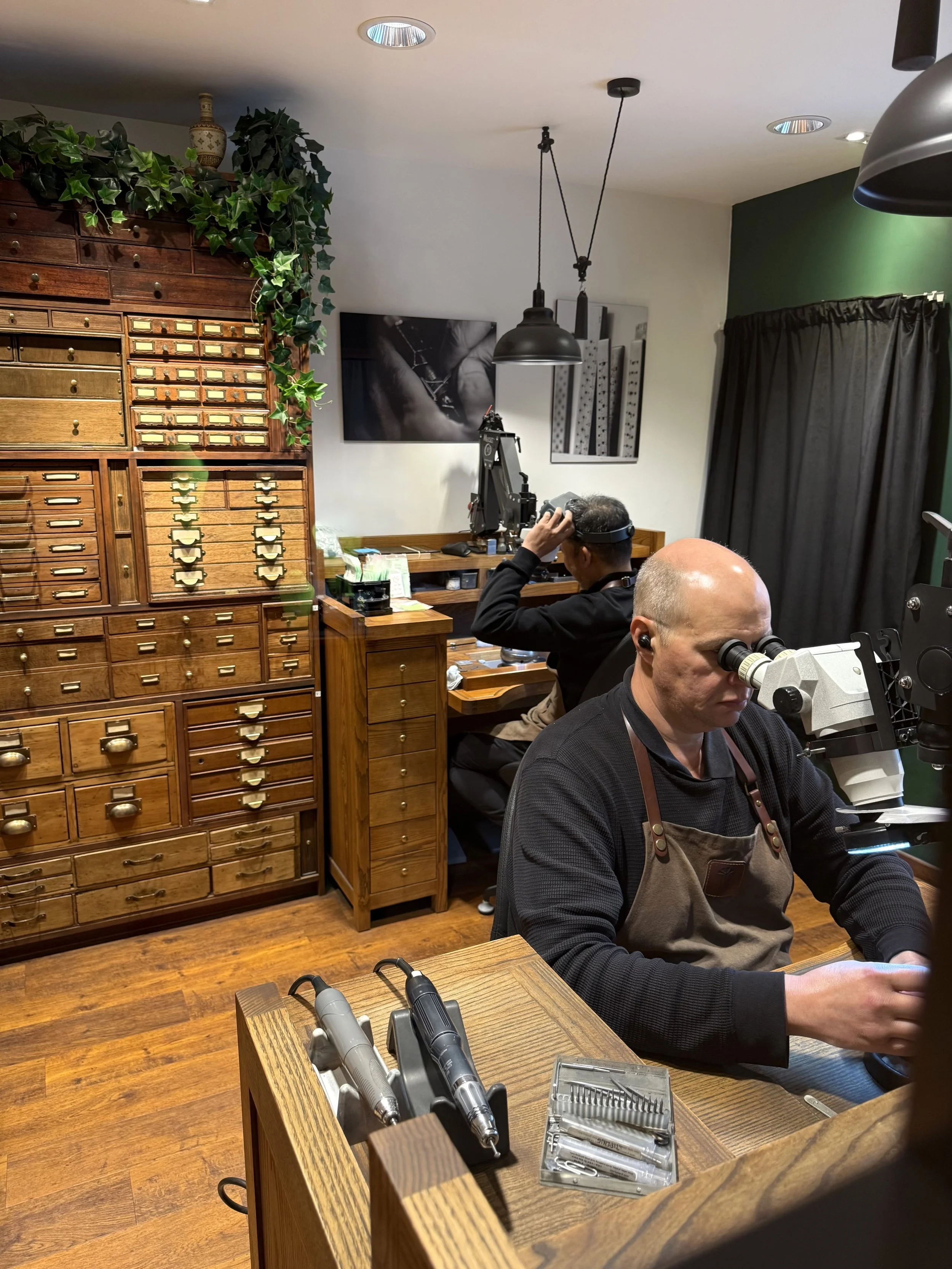
Our stonesetters; Recto and Karl, at their benches in the workshop
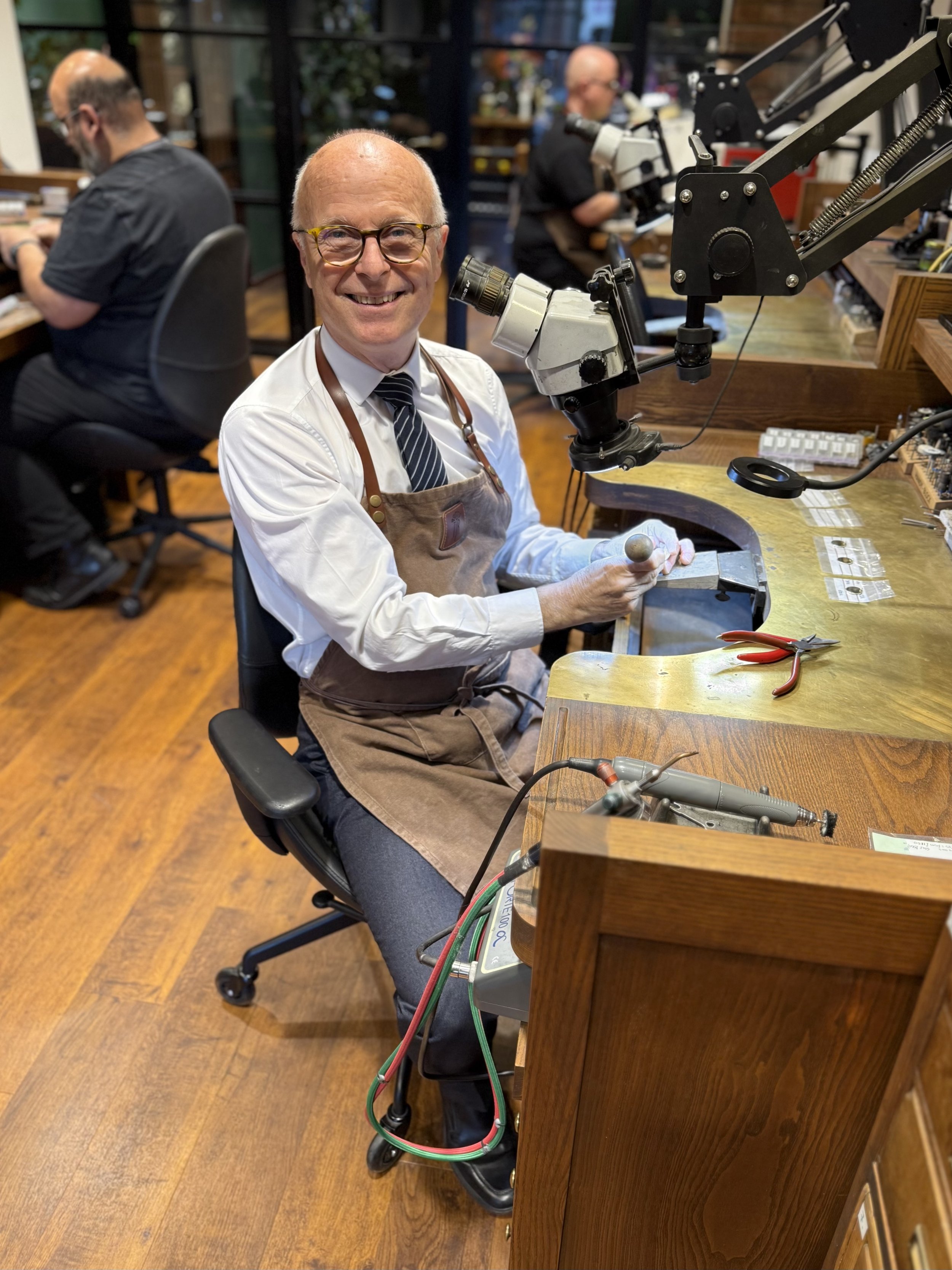
Tim and Dimitrios on the bench with Brad on the laser welder
Between 2004 and 2016, trade flourished. The workshop grew to include additional goldsmiths and diamond setters, and the adoption of computer-aided design (CAD), 3D printing and in-house precious metal casting transformed both capability and creativity.
Rather than assembling components sourced elsewhere, Timothy Roe developed the expertise and facilities to control every critical stage of the jewellery-making process — ensuring exceptional quality and consistency, and fulfilling the standards Tim had always envisioned.
Today, Timothy Roe is a thriving team of 16 skilled professionals, each bringing their own expertise, craftsmanship and passion to the business. The company includes experienced goldsmiths, stonesetters, and apprentices, gemmologists, CAD designers, sales consultants, a marketing team and dedicated office support, with Tim and Dan Roe leading the business forward.
The growth of the team reflects not only the company’s success, but also the continued demand for truly bespoke, beautifully crafted jewellery.
With nearly 400 commissions, repairs, remodelling projects and stock pieces passing through the workshop each month, the casting process is now entrusted to a specialist in the Birmingham Jewellery Quarter whilst melt-and-make commissions are still done in-house. This allows the Timothy Roe team to focus on what they do best — designing, selecting exceptional gemstones and assembling the beautiful pieces for which the business has become known.
As we celebrate 30 years of Timothy Roe, we take the opportunity to reflect on the journey so far — and look ahead to the future by catching up with Tim Roe himself to gain his insights on this remarkable journey.
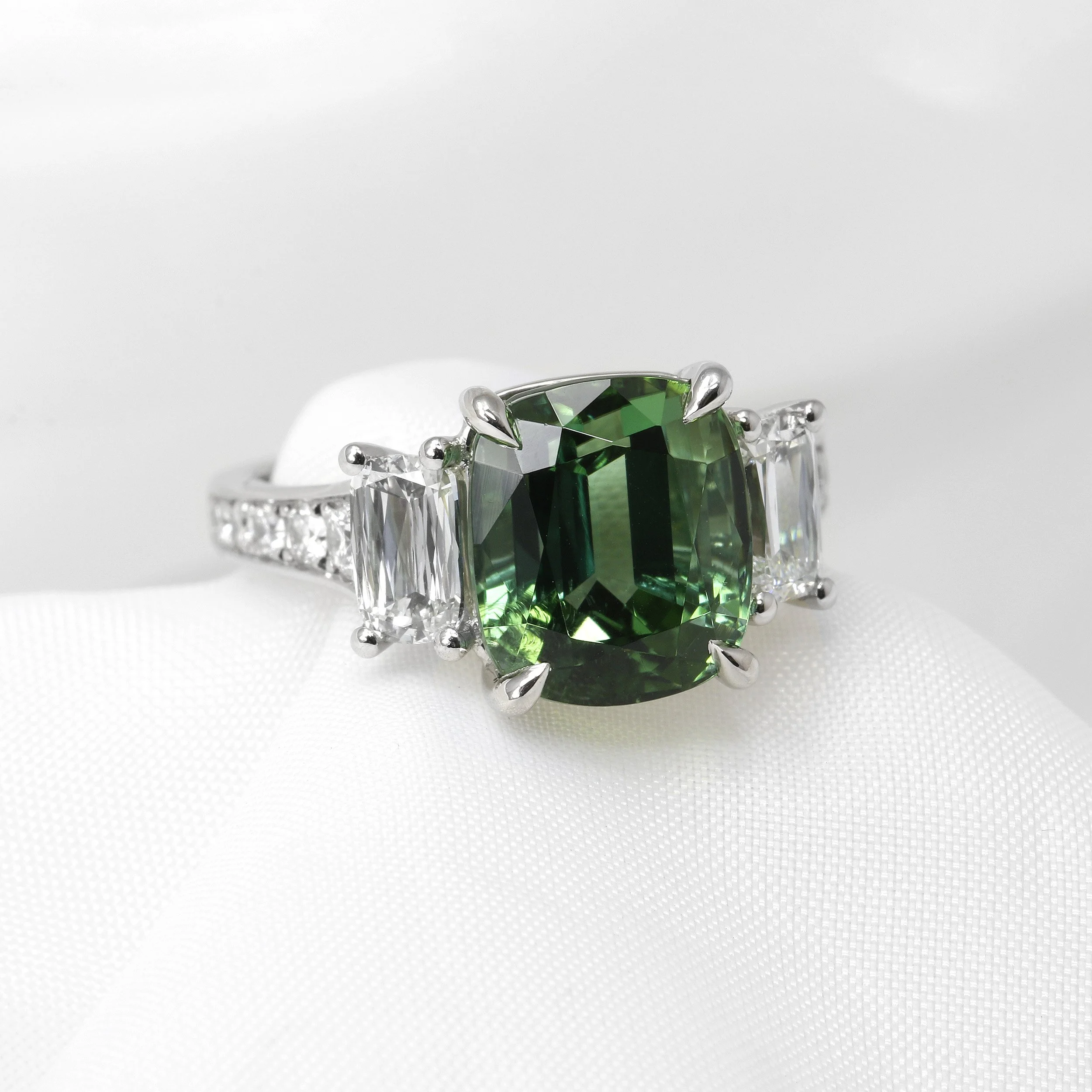
Timothy Roe Cushion Cut Tourmaline and Diamond Ring in Platinum £9,500.00
In Conversation with Tim
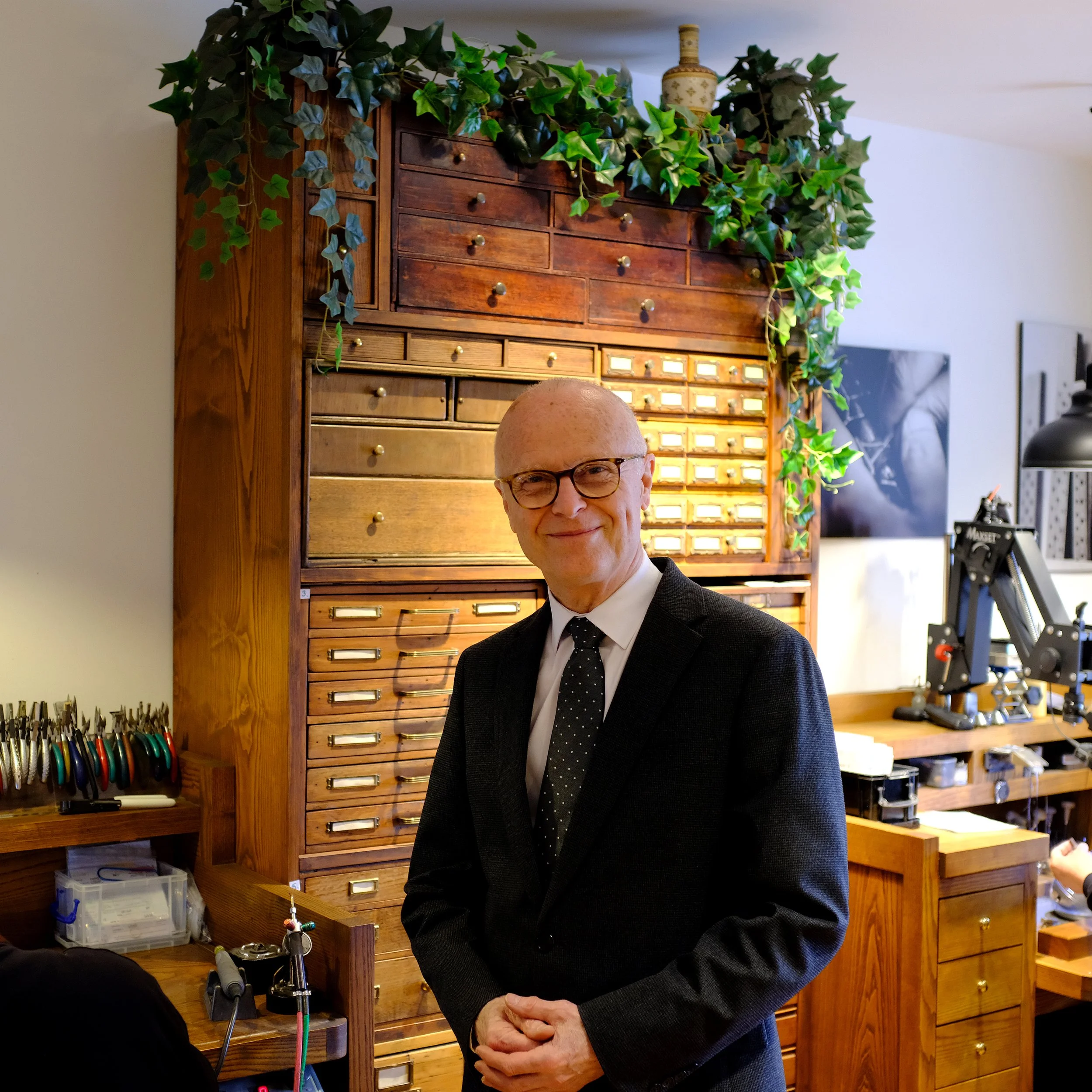
Timothy Roe
Thirty years in business is an incredible milestone. When you first started, did you imagine the company becoming what it is today?
I had no grand plan at the beginning. I simply wanted to set up on my own after leaving my previous partnership. We had run the business together for about ten years, but we had different interests — he focused more on antiques, while I was drawn to making new jewellery, although always inspired by historic designs.
I’ve always been fascinated by jewellery history. Over the years I’ve given talks at the WI (Women’s Institute) on different periods and styles — from Georgian cut steel to Victorian and Art Deco pieces — and that knowledge has always reflected in my design work.
When I first opened the shop, the aim was simply to do things independently. As the business grew and demand increased, I started to dream of building a stronger in-house workshop.
In the early days we had to send all our stone setting out to other workshops, which was frustrating. You’d get pieces back and they wouldn’t always be quite right. They were under pressure because those workshops were working for many jewellers so they had to get it done quickly.
Looking back now, especially on some of my early work, I don’t like the quality compared with what we can achieve today. But that’s all part of learning and improving your craft over time.
Technology has changed enormously in the last 30 years. How important has adapting to those changes been for the business?
It’s been essential.
When I first saw CAD design being advertised, I was intrigued. The early adverts made it look like you could simply turn a hand drawing into a rendered design instantly — which of course wasn’t quite the reality.
But once I saw a demonstration, I realised how powerful it could be. It allowed us to design exactly what the customer wanted and communicate that clearly before anything was made.
At the time I had a young family and a busy shop, so I had to teach myself CAD at home in the evenings. It took much longer at first, but each project pushed me to learn something new.
Later we invested in one of the first 3D printers for jewellery in the country. That was a major turning point. It allowed us to prototype designs quickly and eventually bring casting, setting and more of the production process in-house.
By combining CAD, 3D printing, casting and skilled craftspeople in one workshop, we could create far more original pieces rather than relying on standard components that everyone else was using.
Over those three decades you’ve experienced enormous change. What’s been the secret to Timothy Roe’s resilience?
You can’t do it on your own — you need a strong team.
In the early years I felt that I was doing everything myself, but over time younger members of the team took on more responsibility and brought new energy and ideas.
Having the next generation involved has been incredibly important. They’ve looked at the business objectively, identified areas that needed improvement and developed them rather than simply replacing everything.
Adapting to change, embracing technology and trusting people with expertise has helped strengthen the business over time.
What has been the hardest challenge along the way?
Probably juggling a young family while starting the business.
I was teaching myself CAD technology and stone cutting late into the night with five children under ten. There was always the pressure of knowing I had a family to support and loyal investors were counting on me — failure simply wasn’t an option.
The first years of any new business are always the hardest.
Learning to step back has also been a challenge. When you build something yourself it’s natural to want to oversee everything. But as the team grows and develops, you have to trust their abilities.
Now I find it rewarding to watch people grow into their roles and develop the same critical eye for design and craftsmanship.
What have you learned most about business — and about yourself?
Passion for what you do really matters.
I’ve always enjoyed talking to customers about jewellery and sharing that enthusiasm with them. They learn things as well and seem to enjoy that.
I’ve also learned that you must keep learning. Jewellery design, technology and craftsmanship are always evolving, and every project teaches you something new.
I’m also quite particular about presentation. The shop floor needs to look immaculate because it reflects the business and the work we produce and appearances are important.
About myself—I’ve always found myself drawn more to substance than to outward displays of success. Growing up around people who valued hard work and careful spending shaped a practical mindset in me — one that tends to prioritise the craft itself over hyped-up advertising slogans. We make excellently crafted jewellery and the proof is in the actual piece.
What parts of the business do you enjoy most?
The most rewarding part is designing something personal for a customer and seeing their reaction when they receive it.
I also enjoy the collaborative side of the workshop — designers, goldsmiths and stone setters working together to solve problems and improve a piece.
Having the workshop on site makes this incredibly efficient. Instead of emailing someone elsewhere and waiting days for an answer, I can walk into the workshop and speak directly with the team.
Is there a particular project that stands out as memorable?
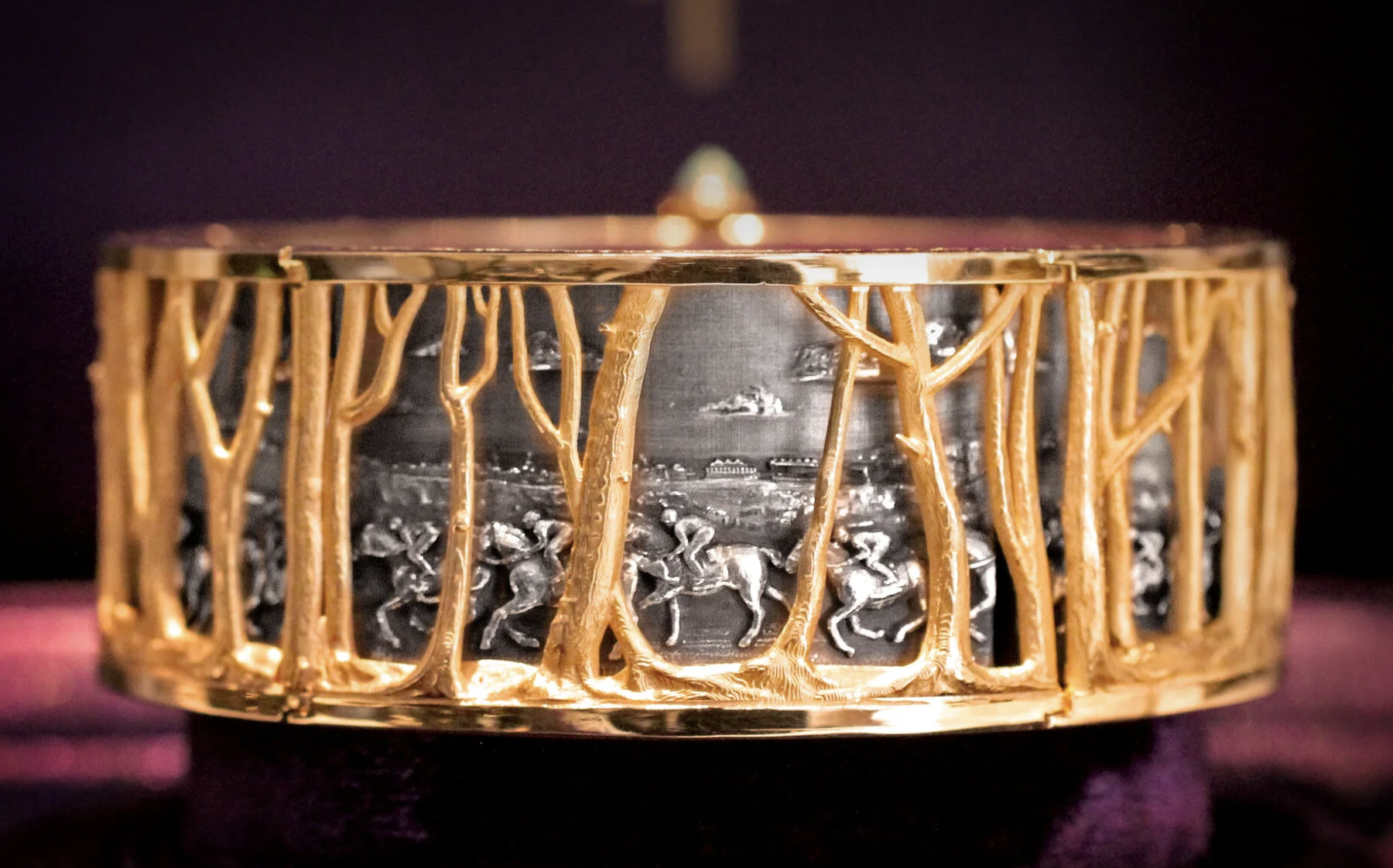
The horse bangle we created for a charity auction at Goodwood stands out. It raised around £18,000, and I had complete creative freedom to design it.
Usually you work to a design brief, but on that project I could simply create something I felt worked artistically.
I also entered an international CAD design competition run by a French Jewellery software company and won the first prize 2 years running. Projects like that pushed the boundaries of what we could do both creatively and digitally.
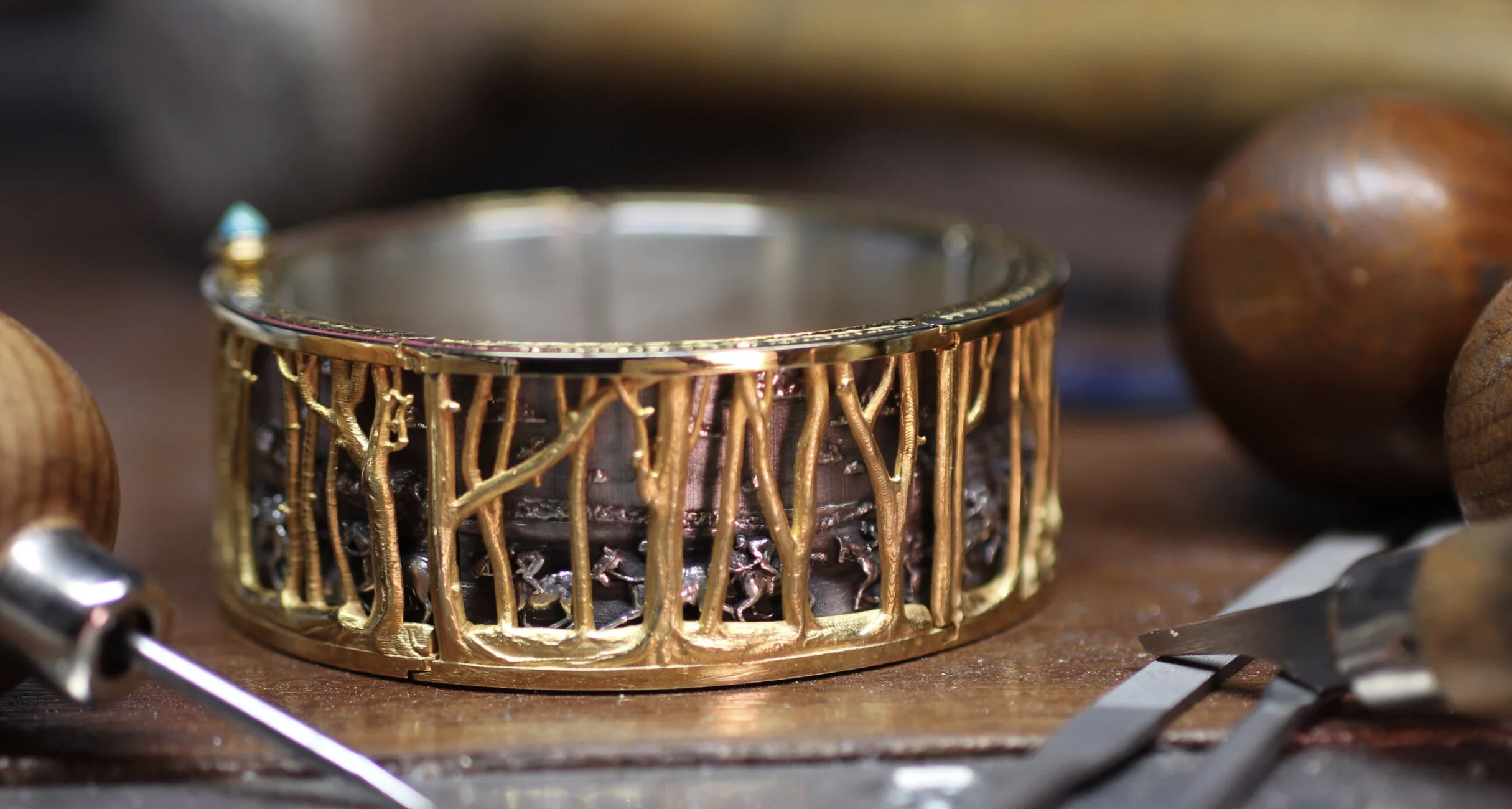
Watching The races Through The Trees: Tim’s Horse Racing Bangle in Silver and Yellow Gold that fetched £18,000 at the Goodwood Charity Fundraiser.
What still motivates you after 30 years in the industry?
The variety and the constant opportunity to learn.
Every design presents a new challenge, and I enjoy seeing different skills within the workshop come together to create something special.
Even after all these years, there is always something new to discover.
What does the future of the jewellery industry look like?
Technology will continue to play a major role, particularly with CAD design and digital production methods.
However, craftsmanship will remain incredibly important. Much jewellery today is mass-produced overseas, but bespoke jewellery made through close collaboration between designer, goldsmith and stone setter will always have value and longevity.
How is Timothy Roe preparing for the future?
We continue to invest in technology and skilled staff while keeping craftsmanship at the heart of everything we do.
Our focus is on strengthening our reputation and reaching more people who appreciate bespoke jewellery. We want to educate and inspire the next generation—they can see our workshop and watch our goldsmiths and stonesetters at their benches through the windows—people love seeing this.
Word of mouth remains incredibly important. When customers wear our jewellery to London and high-end jewellers comment positively on the craftsmanship, that means a great deal.
What advice would you give young jewellers starting their careers?
Learn by doing.
You don’t necessarily need lots of courses. Buy some tools, set up a bench at home, practise and get to know the metals.
Today there are incredible resources online and some are free — YouTube alone offers demonstrations at every skill level. Watch, practise and keep improving.
If possible, work in a workshop environment rather than a classroom. You’ll learn far more through practical experience alongside skilled craftspeople.
After 30 years of designing jewellery for life’s most important moments, what makes a piece truly special?
The small details that are personal and symbolic to the wearer.
Often the most meaningful parts of a design are hidden — something only the wearer understands. Being involved in creating something unique like that is what makes jewellery truly special.
And finally,
If the young Tim at the workbench in 1995 could see the business today, what would he say?
“I made it. I did it.”