Men’s Black Wedding Bands 101: The Real Pros & Cons of Going for Dark Metals
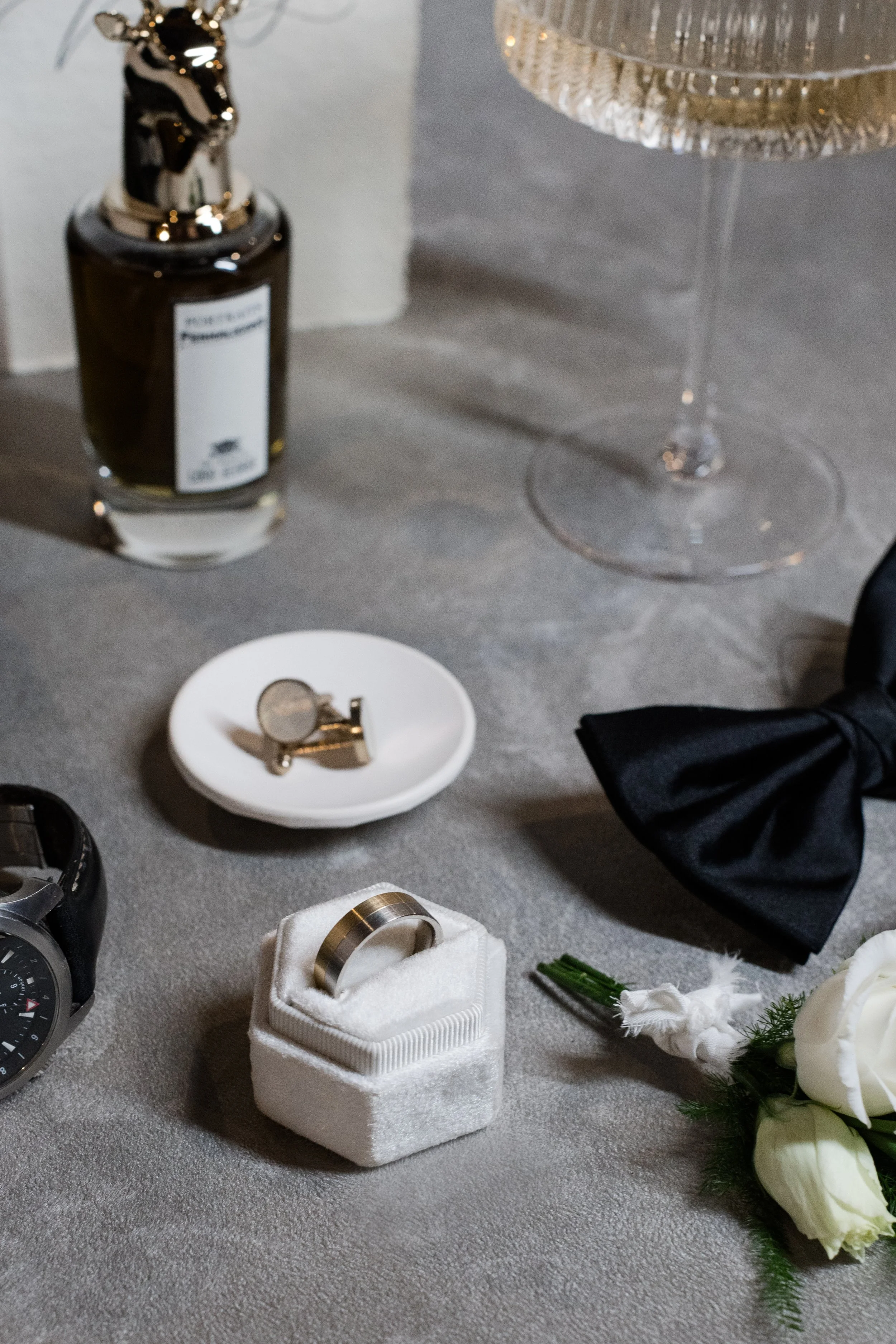
Black wedding bands have become one of the most popular choices for men in recent years and jewellery designers like Shaun Leane, David Yurman, Jessica McCormack and Reza amongst others have collections experimenting in different coatings and platings to create intense, dramatic looks. Edgy, modern, masculine, and a bold alternative to traditional yellow or white metals, black rings appeal to men who want something distinctive yet relatively low-maintenance. But are they really low-maintenance and what are the best options for longevity?
Choosing the right wedding band is about matching the metal to your lifestyle and understanding the maintenance required. Every metal has pros and cons, and not all black rings are created equal. This guide explains what makes a ring black, the types of coatings, and the pros and cons of each metal and, most importantly, our recommendations.
To start, it’s useful to divide the metals into precious and non-precious categories:
Precious Metals: Palladium, Platinum
Non-Precious Metals: Tungsten, Titanium, Stainless Steel, Black Zirconium
Non-Metal Black Materials: Black Ceramic, Carbon Fibre
Precious metals like gold, platinum, and palladium are rare, retain value, and can be customised extensively, while non-precious metals are abundant and industrially useful, valued for hardness and affordability. The key difference lies in their scarcity, durability, and suitability for jewellery.
So What Makes a Ring Black?
Solid Black Materials
These metals or composites are naturally black or permanently transformed into a black surface. Examples include:
Black Zirconium
Black Ceramic
Carbon Fibre
The colour is long-lasting because it is not a coating, though durability varies depending on the material.
Coated or Plated Black Metals
These metals have a black finish applied over a core metal.
Examples include:
Black Tungsten
Black Titanium
Black Stainless Steel
While the core metal is strong, the coating can wear, chip, or scratch over time, and each type comes with its own advantages and limitations.
Black Coatings Explained
CVD (Chemical Vapour Deposition): Deep, rich black; very durable; ideal for long-term wear.
PVD (Physical Vapour Deposition): Smooth, premium finish; widely used; good durability.
Ion Plating: Hard and shiny; moderate durability; more prone to scratches than CVD/PVD.
Standard Black Rhodium Plating / Electroplating: Least durable; expensive to keep replating; can fade quickly.
Durability ranking: CVD → PVD → Ion Plating → Standard Plating
Material-by-Material Breakdown: Non-Precious Metals
Black Tungsten Carbide (Coated)
Black tungsten carbide is known for its bold, masculine look and scratch-resistant core. The black finish is almost always a PVD coating applied to the naturally grey metal. It is heavy, affordable, and holds a strong shine. However, the coating can chip or scratch, revealing the silvery tungsten beneath. Tungsten cannot be resized, and its extreme hardness makes it both brittle under impact and difficult to cut off in emergencies. It has to be ‘cracked off’ under extreme pressure with high risk to injuring fingers. If you need a new size, you ultimately have to buy a new ring and very few jewellers can offer coating renewals when scratches occur as this is a specialist and very niche service.
Titanium with Black Plating
Titanium is lightweight, hypoallergenic, and comfortable for daily wear. Its black finish, usually carbon PVD or standard plating, provides a modern, sleek look but is only on the surface. Scratches can reveal the silver titanium underneath which cannot be polished out, and resizing is extremely difficult due to the metal’s hardness. If a different size is needed a new ring must be purchased. While titanium can be removed in emergencies with specialised tools, it is more challenging than softer metals like gold, palladium and platinum and most jewellers will not have tools hard enough.
Stainless Steel with Black Plating
Less expensive and corrosion-resistant, black stainless steel rings offer an edgy look. However, the black colour is usually only an electroplating and can wear off with chlorine and other chemical exposure. The plating on these rings is temporary and only a surface treatment so will fade quickly. Resizing is nearly impossible due to its hardness. Despite being very hard steel scratches easily and can look ‘scuffed' quickly; affecting both the plating and metal underneath. It is cheaper and easier to buy a replacement ring when it starts looking worn. These rings are best for style-conscious men as fashion accessories but are less durable long-term as wedding bands.
Black Zirconium (Heat-Treated Metal)
Black zirconium is created by heating the metal until its surface oxidises, forming a permanent black layer. This layer is highly scratch-resistant, lightweight, strong, and hypoallergenic. Carved designs can reveal contrasting silver beneath the surface, adding visual interest. Zirconium is slightly more expensive than tungsten and may show subtle wear over many years. The colour is a dark charcoal rather than jet black. Like other alternative metals, zirconium rings cannot be resized, and removing them in emergencies requires specialised tools that often only the fire brigade or A&E services have. For a different size a new ring must be purchased so getting the size right first time is crucial.
Black Zirconia Ceramic
Ceramic rings, that are naturally black, provide a permanent colour that never fades. They are highly scratch-resistant, lightweight, and affordable. You often see black zirconia ceramic on watch bezels and watch straps. However, ceramic is very brittle and can shatter under strong impact. Ceramic rings cannot be resized either, so a replacement is necessary if your finger size changes. These might be nice fashion pieces but for every day wear and longevity they are not a durable option with chips and breakages being a high risk.
Black Carbon Fibre / Carbon Composite
Carbon fibre rings are naturally black, ultra-light, and comfortable for active lifestyles. Their textured look is modern and the colour will never fade. Being non-metallic, they cannot be engraved or have any other design finishes applied. Carbon fibre rings cannot be resized either so a different size means buying a new ring. A rotary saw is needed to cut these rings off but it is easier than tungsten, however, the material can crack under extreme force.
General Note: For coated or plated metals, specialised jewellers are required. This can be costly, time-consuming, and finding the right people can be challenging as many do not offer this. Having it sent away is highly likely. For some metals not all coatings and platings are available or successful so depending on the metal underneath options might be very limited. Choosing one of these non-precious metal plated or coated rings may also compromise sentimental value if you have to replace the wedding ring instead of repairing, resizing or refinishing it.
Pros & Cons of Precious Metals
Palladium
Palladium is a naturally grey precious metal offering a luxurious, dark-grey alternative for men who prefer a sophisticated look without plating. It is hypoallergenic, durable, and can be polished and worked on several times over. It can also be resized and engraved. Its colour darkens to a charcoal matte patina as it ages, adding character but it is not black—it leans toward smoky silver—and is more expensive than most alternative metals. A variety of textures and finishes can be added to create a dramatic look that is visually interesting and these can be added again in-house if any sizing or polishing work is carried out.
Platinum
Platinum is a naturally white, very dense precious metal valued for its strength, durability, and premium appeal. Hypoallergenic and resistant to corrosion, platinum develops a natural grey matte patina over time, which can be polished back to a silvery white look or kept with matte finishes for a darker masculine look. Like palladium different finishes like satin or cross brush effects can be applied to create a dramatic look and engraving is also possible on platinum for further personalisation. Platinum scratches more easily than some black metals but can be repaired, polished and resized and any finish can be put back on again in-house. Its weight and cost are much higher than non-precious metals, making it a long-term investment in style and quality.
In general, precious metals are easier to work with, retain their value, and allow for custom finishes, textures, engravings, and darker effects to achieve an edgy, masculine appearance. You need only buy one ring for your wedding day and this will last you many years of wear and tear. All repairs, resizing and polishing work can be completed in-house by us and is much more affordable than buying replacement rings every few years.
Alternative Options to Black
For those who really want black styling choose precious metals over non-precious metals and consider options such as CVD-coated palladium, black zirconium inlays on platinum bands, or simply rows of black diamonds or hematite on palladium or platinum for a dark, modern, edgy effect. Black rhodium plating is the least durable option and wears off quickly, making it an expensive short-term solution so we do not recommend this. CVD or PVD and black zirconium provide the most longevity but these rings cannot be resized, and refinishing is costly, time-consuming and has to be sent away to specialists.

Bespoke Commission: Platinum and Rose Gold Wedding Band with Black Diamonds
Personnel in certain professions—such as the armed forces, emergency services, or trades—may prefer black break-away silicone rings for daily wear and reserve textured, plain or patterned platinum or palladium bands for special occasions when off-duty. This protects their finger against accidents, loss or damage to a wedding band whilst giving them a dark black colour for every day. The black rings are designed to snap under sufficient force to prevent finger injuries and are non-conductive. This gives customers a practical black work ring and a treasured precious-metal heirloom for special moments, allowing them to continue wearing their original wedding ring.
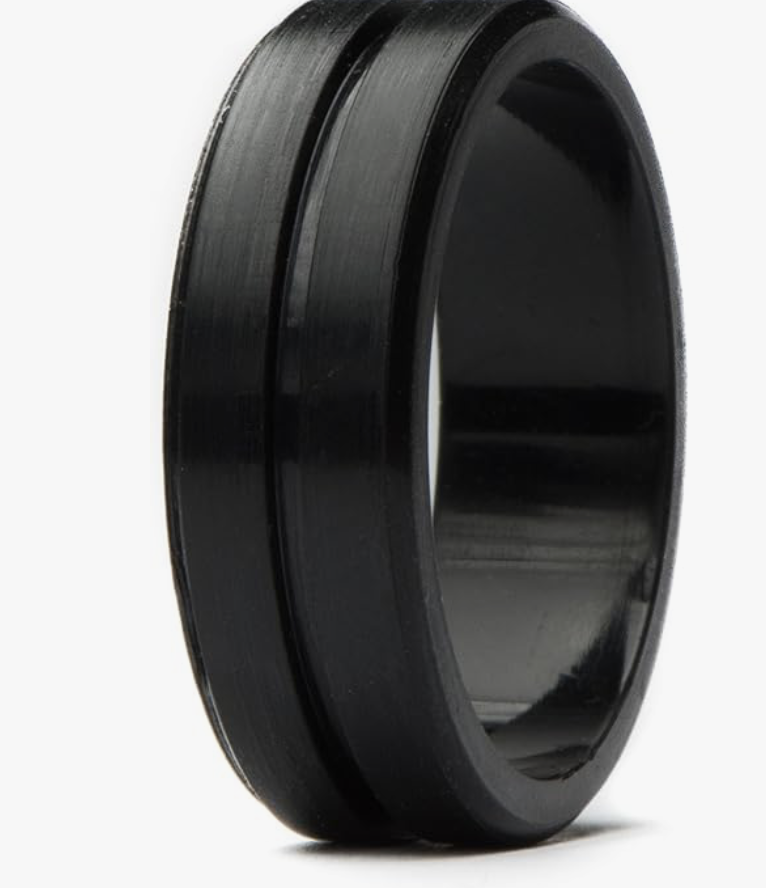
Black Silicone Ring with Break-Away Feature
If you work with heavy machinery or engage in manual tasks, some safety experts recommend not wearing any rings (or using a break-away silicone ring instead) to avoid injury and hazards. Ensure the product description explicitly mentions this important safety feature, often called "breakaway," "safety release," or "avulsion prevention.”
Summary
At Timothy Roe Fine Jewellery, we work exclusively with precious metals for jewellery and recommend them for longevity, style, and sentimental value. While we can walk you through several options, our recommendation is to opt for palladium or platinum if you are looking for a wedding band. There are always design options to add in texture and darker effects. Precious metals provide long-term value, customisation, and reliability. Your profession, lifestyle, and personal preference should guide your choice to ensure your wedding band remains a meaningful symbol for years to come.
Understanding whether a ring is naturally black or coated, and knowing the durability and maintenance requirements, is crucial. Whichever ring you choose remember that care and maintenance is always part of keeping your rings looking their best.
Care & Maintenance Tips
Remove rings during intense manual work or gym sessions (with dumbbells/weights especially)
Avoid harsh chemicals, especially chlorine
Clean with mild soap and water
Get a professional ring clean every 12-18 months
Store separately to prevent scratching against other jewellery or gemstones
If injury is sustained or there is swelling to the hand, arm or finger remove rings immediately regardless of metal or material